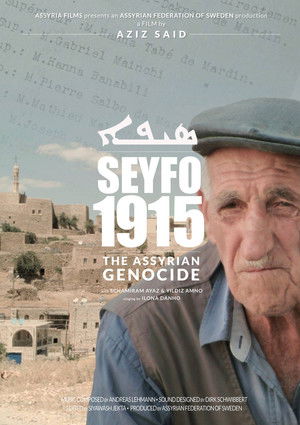
In the shadow of the First World War, the genocide of the Christian Assyrians took place almost unnoticed by the world public. This first systematic genocide of the 20th century was committed by the Young Turks (Ottoman Empire) and would not have been possible without the support of some Kurdish local rulers and their family clans. The Assyrians are the indigenous people of Mesopotamia and have lived in Mesopotamia for thousands of years. The film includes testimony from several European, Turkish and Assyrian historians, as well as genocide researchers, including Professor Taner Akcam, Dr. Gabriele Yonan and Professor David Gaunt. The film includes testimony from survivors of the genocide. Various journalists and publicists also have their say with well-researched information in this documentary. The Assyrians refer to the Genocide as "Seyfo" (ܣܝܦܐ), which translates as "sword".
A film director from Israel interviews fellow veterans of the 1982 invasion of Lebanon to reconstruct his own memories of his term of service in that conflict.
According to the official history of Afghanistan, ruthless destruction has always prevailed over art and creation; but there is another tale to be told, the forgotten account of a diverse and progressive country, seen through the lens of innovative filmmakers, a story that survives thanks to a few brave Afghans, a small but very passionate group that secretly fought to save a huge film archive that was constantly menaced by war and religious fanaticism.
Five Afghan men try to reach Europe. The filmmakers followed them for over six months, filming their clandestine journey and chronicling a migration combining fantasy and stark reality, setbacks and achievements, in the midst of the dangers of such trips.
Die Spezialeinheit - Im Einsatz mit der Bundespolizei
Jung is a narrative documentary that follows the human and professional adventure of its protagonists, the Afghan people in the midst of civil war.
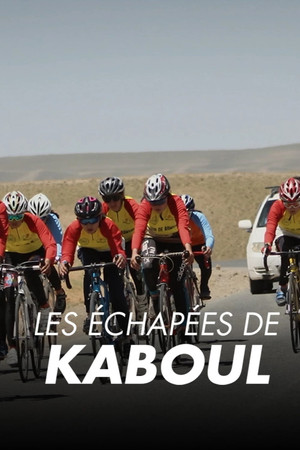
Les échappées de Kaboul
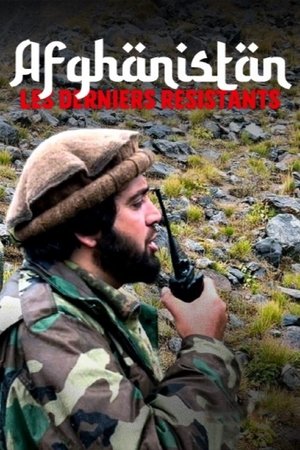
Afghanistan : les derniers résistants
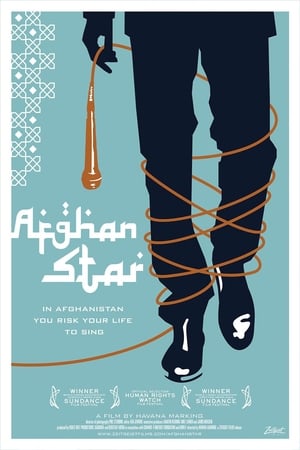
This documentary on the effect the talent competition "Afghan Star" has on the incredibly diverse inhabitants of Afghanistan affords a glimpse into a country rarely seen. Contestants risk their lives to appear on the television show that is a raging success with the public and also monitored closely by the government.
Filmed in Cordoba, Granada, Seville, and Toledo, this documentary retraces the 800-year period in medieval Spain when Muslims, Christians, and Jews forged a common cultural identity that frequently transcended their religious differences, revealing what made this rare and fruitful collaboration possible, and what ultimately tore it apart.
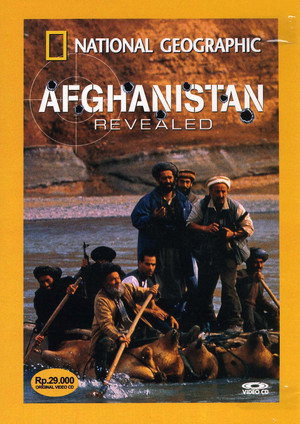
Take a harrowing journey with author Sebastian Junger and photographer Reza deep into Afghanistan for an in-depth interview with the assassinated resistance leader, Ahmed Shah Massoud. With never-before-seen footage, Afghanistan Revealed explores this war-torn country and the lives of its people as they continue their struggle against the Taliban.
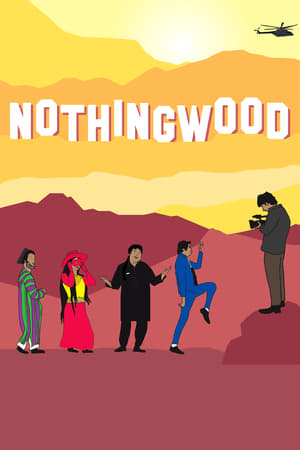
French documentarist Sonia Kronlund follows actor and director Salim Shaheen, an Afghan movie star who produced more than 110 low-budget movies in a country devastated by war.
An epic documentary of rise and fall of Ustasha regime in Croatia.
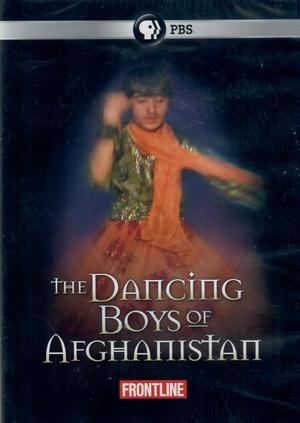
In Afghanistan many hundreds of boys, often as young as ten, are being lured off the streets on the promise of a new life.
A look back at the years leading up to the fall of Kabul and the perilous evacuation of civilians trapped inside the embassy in the hours following the Taliban's takeover of the country.
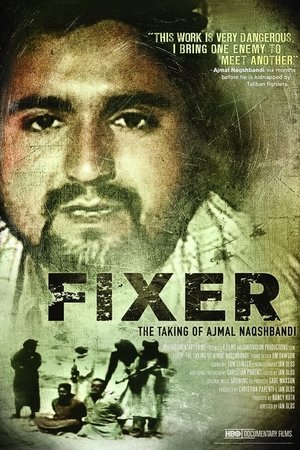
In 2007, the Taliban kidnapped 24-year-old Ajmal Naqshbandi and an Italian journalist. Naqshbandi was one of Afghanistan's best "fixers" -- someone hired by foreign journalists to facilitate, translate, and gain access for their stories.
This documentary offered tantalizing glimpses of Afghanistan, which in 1929 was still one of the few heavily-populated areas in the world where the residents continued to live as they did in the Middle Ages. A progressive new leader named Amnullah tries to "Westernize" the country, meeting plenty of resistance from native reactionaries.
In March 2001, the ruling Taliban destroyed Afghanistan's foremost tourist attraction, the 1600 year-old Buddhas of Bamiyan. This film follows the story of one of the refugees who now lives among the ruins….an eight-year-old boy named Mir.
Abby Martin covers the whole truth about the Afghanistan War. Two decades, three administrations, tens of thousands of lives.
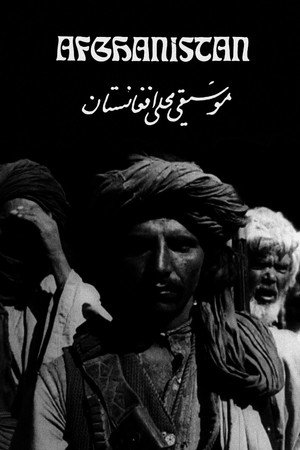
This film is a glimpse of the traditional life of the Afghan people, their culture and their music, just before the Russian intervention in 1979.