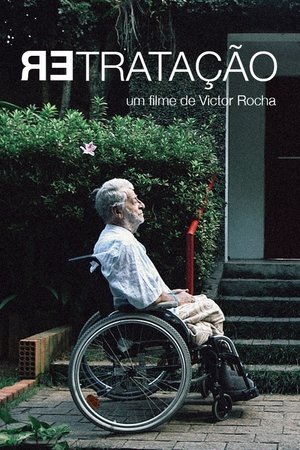
Fernando Lemos, a Portuguese surrealist artist, fled from dictatorship to Brazil in 1952 searching for something better. The movie follows the last moments of his journey and the struggle for the preservation of his legacy, trying to fulfill his last great desire: to be a good dead man.
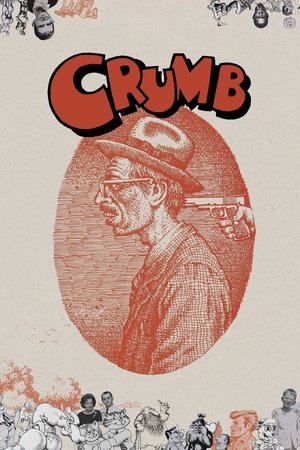
This movie chronicles the life and times of R. Crumb. Robert Crumb is the cartoonist/artist who drew Keep On Truckin', Fritz the Cat, and played a major pioneering role in the genesis of underground comix. Through interviews with his mother, two brothers, wife, ex-wife and ex-girlfriends, as well as selections from his vast quantity of graphic art, we are treated to a darkly comic ride through one man's subconscious mind.
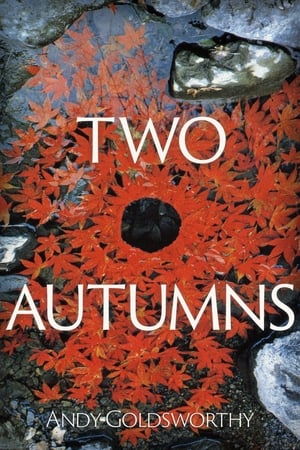
A study of artist Andy Goldsworthy’s work in Scotland and Japan.
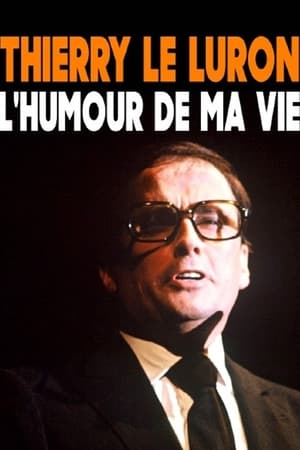
Thierry Le Luron, l'humour de ma vie
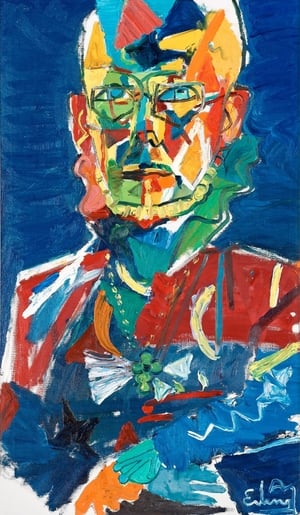
About the artist Ian Hellström (1925-2012) with his own museum. A tour of Ian's house is an adventure in art, antiques, skulls and dolls, all in perfect balance. Ian created various jewelry sculptures, a kind of collage with glass beads, brooches, simple jewelry and various toys, which were sometimes pasted into boxes with small compartments. His colorful art and cross-border life is captivating but not always easy to understand.
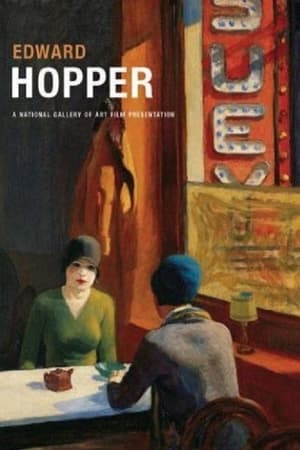
Hopper, one of America’s most admired artists, captured the shared realities of American life with poignancy and enigmatic beauty. His iconic images, set in unexceptional places, reveal the poetry of quiet, private moments. Hopper’s influences, which vary from French impressionism to the gangster films of the 1930s, are explored through archival photos, footage of locations he painted in New York and along the New England coast, and interviews with artists Eric Fischl and Red Grooms.
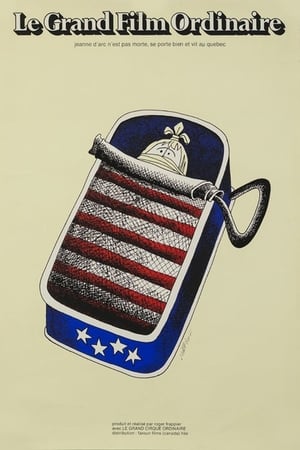
The Ordinary Grand Film is the result of love at first sight with The Ordinary Grand Circus. With film and equipment borrowed from left and right, with the free complicity of all those who appear in the credits, they went on weekends to film a few moments of their tour.
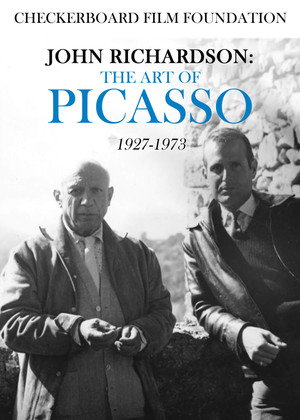
We are in the midst of production on a one-hour film on seminal art historian John Richardson, and his work on the fourth and final volume of his biography on Picasso. Richardson shares his insights and observations on Picasso, whom he first met in the 1950s, with Shelley Wanger, his editor at Alfred A. Knopf (a division of Random House, Inc.).
A short film with shots of sculptures by Anneke Walvoort. The materiality of film plays an important role: visible grain, flashes of colour, unexpected camera movements.
Facing one of humanity’s biggest questions, ‘what is left of us after our death?’, this haunting documentary covers the author’s thought process on the idea of what might remains of us after we die, supported by the vision of an artist who decided to come back in Italy after spending forty-seven years in New York and turn his little apartment into a mausoleom where his death-filled artworks will lay along with his ashes. Raising questions like ‘are the things we create in our lifetime the mark of our existance?’ and ‘can the artist escape death trough the art objects?’ the documentary touches a vast variety of themes and ideas as well as paying a visit to one of the oldest mausoleums in ancient mythology, the Acheron River.
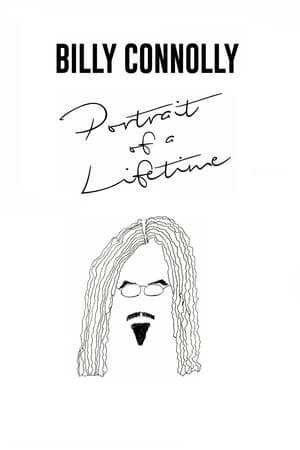
Celebrating Billy Connolly's 75th birthday and 50 years in the business, three Scottish artists - John Byrne, Jack Vettriano and Rachel MacLean - each create a new portrait of the Big Yin. As he sits with each artist, Billy talks about his remarkable life and career which has taken him from musician and pioneering stand-up to Hollywood star and national treasure.
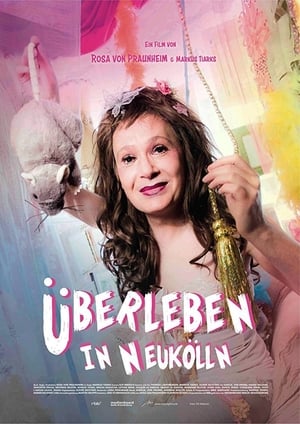
About Stefan Stricker, who calls himself Juwelia and has been running a gallery on Sanderstraße in Berlin Neukölln for many years. Every weekend he invites guests to shamelessly recount from his life and to sing poetic songs written with his friend from Hollywood Jose Promis. Juwelia has been poor and sexy all her life, has always struggled for recognition, but only partially.
The artist J.M.W. Turner is widely recognised as England’s greatest painter. Tate has the world’s finest and most extensive collection of his work. Turner at Tate explores Turner’s art through many of his best-known canvases and exquisite sketches and watercolours, all newly and exceptionally filmed in HDTV from the original artworks. Incorporating the landscapes and places that inspired the works, the film provides an overview of Turner’s life and - in an accessible and engrossing way - of critical approaches to his art. The film’s focus is Turner and England, and his work is considered against the radical social and political changes of the early nineteenth century. Turner at Tate is a film about ideas and history and landscape, a film about colour and light. Contributors include Tate curators Ian Warrell and David Blayney Brown, and art historians Sam Smiles and Barry Venning. Also featured on the DVD are ten additional short films, each of which considers in detail a major work.
This MGM Passing Parade series short takes a look at changing definitions of art in the United States.
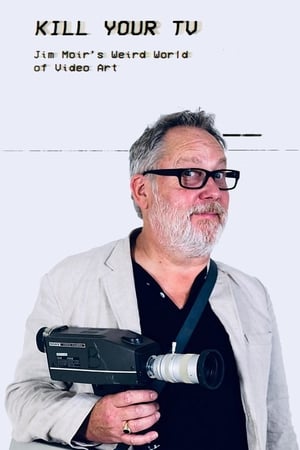
Jim Moir (aka Vic Reeves) explores Video Art, revealing how different generations ‘hacked’ the tools of television to pioneer new ways of creating art that can be beautiful, bewildering and wildly experimental.
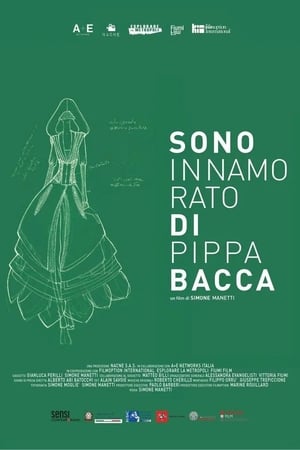
Giuseppina Pasqualino di Marineo, better known as Pippa Bacca, was a 34 years old Italian artist. She crossed 11 countries involved in wars, hitchhiking with another Milanese artist, Silvia Moro, both wearing a wedding dress. This was a performance for peace, trust and hoping to prove that if you rely on others, you’ll receive good things only. After travelling many roads, the two artists decided to split for a while in Istanbul, planning to meet again in Byblos. Pippa left then, alone, and nobody heard from her again.
For both Aboriginal and non-Aboriginal Australians, Captain James Cook is a figure of great historical significance.
In 2003, eight Rhode Islanders created a secret apartment inside a busy mall and lived there for four years, filming everything along the way. Far more than a prank, the secret apartment became a deeply meaningful place for all involved.
After Dan Brown's publishing phenomenon The Da Vinci Code was cleared of plagiarism charges, this documentary explores the climate which has permitted a fictional story to make such an effective challenge to conventional history that it has forced a counter-attack from the Church, the art world and academics. Has Brown cracked the most difficult code of all our 21st-century cultural DNA?
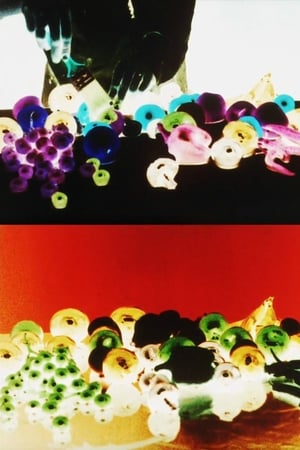
This film explores the transformation of an image from color negative to color positive on one film stock. “The Still Life“ was painted its color negative during the filming and then the exposed film was processed and printed on color negative printstock.