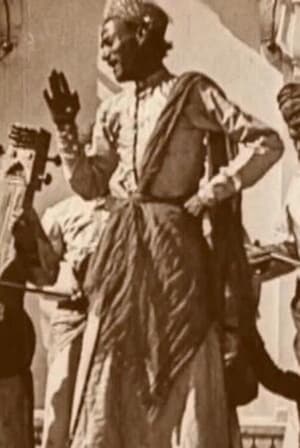
The future Edward VIII enjoys receptions, playing polo and hunting tigers on his royal tour.
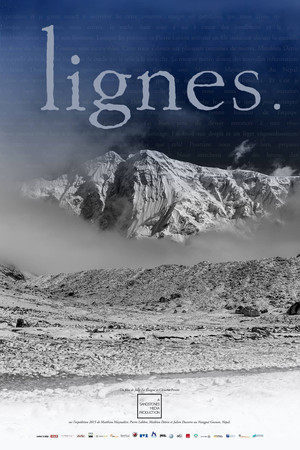
Lignes chronicles the sublime interplay between alpine literature and an expedition seeking the true meaning of mountaineering. Four high-mountain guides—Matthieu Maynadier, Pierre Labbre, Matthieu Détrie, and Julien Dusserre—embark on a project: to summit Nangpai-Gosum, an unclimbed 7,000-meter peak in Nepal, using the "alpine style" adapted to the Himalayas—the toughest and purest approach of all. Through this expedition, Lignes attempts to answer the question: "Why do we climb mountains?" Why, despite the harsh conditions and exhaustion, do these four Alpine guides pursue a perilous dream in a realm that belongs to no one? Lignes finds some answers in the past, drawing on 150 years of alpine literature. Serving as both narrator and seasoned guide, Raymond Renaud takes us on a tour of his books and speaks of the "conquerors of the useless"—from the turn of the century to the present day.
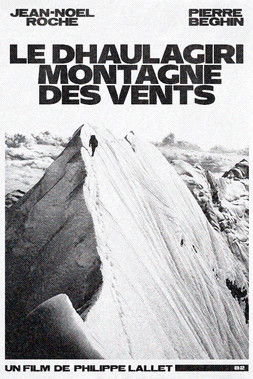
In October 1984, Pierre Béghin, an engineer from Grenoble, and Jean-Noël Roche, a high-mountain guide, completed the Himalayan ascent of Dhaulagiri (8,172 m). The expedition's context: seven people crossed Nepal to Muri, collected accounts from trekkers—including that of the author Robert Rieffel—and attended Sherpa prayers at base camp. Then, the two of them embarked on a rocky and snowy route without supplemental oxygen. At over 5,000 meters, on the mountain of winds, Jean-Noël Roche made a paragliding flight. The climbers brought back footage with their Super 8 camera from 6,500 meters, but only photographs have been able to confirm their presence on the summit ridge of the seventh highest peak in the world.
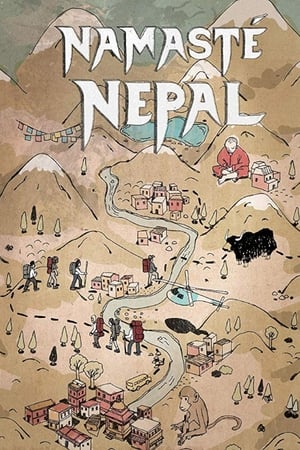
American high school students from the privileged Silicon Valley travel to Manang, Nepal in this documentary about how travel and life experiences can change personal perceptions. Together with a group of Manangi high schoolers, the students expand their cultural knowledge and experience a slice of life as a citizen of the globe.
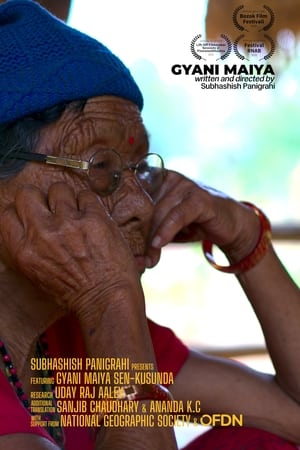
“We left our language and started speaking others’. The girls have got married and have left for the villages. Boys are getting married in villages. It should be taught to children”. — Gyani Maiya Sen-Kusunda The Gi Mihaq (also known as Kusunda) was a semi-nomadic hunter and gatherer community that settled in villages around the mid-western Nepalese district of Dang. They have long lost their native language Mihaq (Kusunda), to acculturation and other barriers to active use. The community also lost their 83-year-old elder Gyani Maiya Sen-Kusunda in 2020, the most and the only known fluent Kusunda speaker then. Filmed in Kulmor in the Dang District in 2018, this openly-licensed documentary is a memoir of Sen-Kusunda in her own words and a biography of her people who were forced to leave their language and cultural identity. Kusunda is being revived by Kamala Sen Khatri, Sen-Kusunda’s younger sister, and Uday Raj Aaley, a local researcher who is the key interviewer for this film.
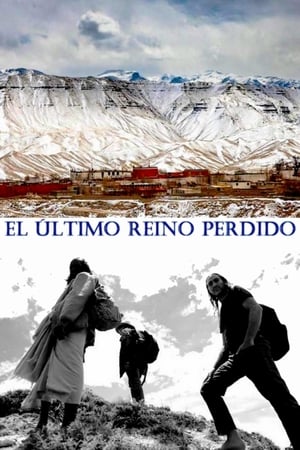
Following in the footsteps of his father, Folco Felzani embarks on an epic journey on foot in search of Mustang, the last lost kingdom, in northern Nepal. The story of a king without a kingdom. The adventure of a son without a father.
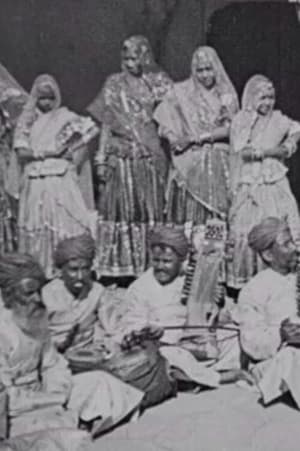
Richly detailed record of the Prince of Wales' Indian tour.
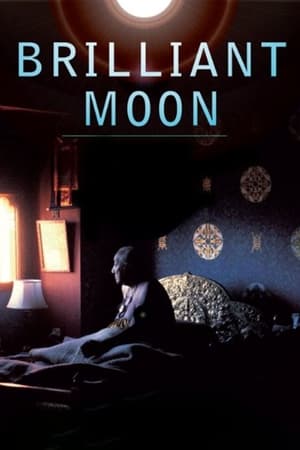
Brilliant Moon chronicles the life of the writer, poet, and meditation master Khyentse Rinpoche, one of Tibet's most revered 20th-century Buddhist teachers. Spiritual guide to His Holiness the Dalai Lama and the Royal Family of Bhutan, his life and teachings were an inspiration to all who encountered him. Richard Gere and Lou Reed provide the narration for his dangerous journey out of China, the subsequent spread of his influence and the search for his reincarnation after his death.
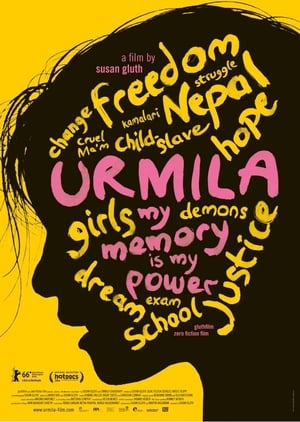
The film tells the story of 25-year-old Urmila Chaudary from Nepal. At the age of six she was sold by her family and was forced to work as a slave under appalling conditions for 12 years. Her dream is to end child slavery in Nepal. To this end she fights today as a freedom activist. A film about the quest for justice with a strength that gives courage and hope.
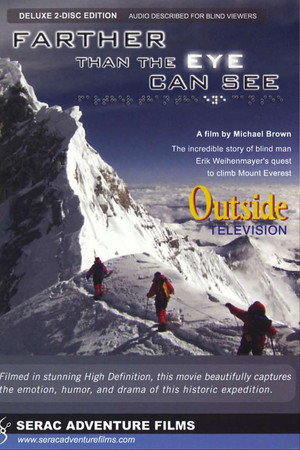
Blind climber Erik Weihenmayer and his team's highly successful ascent of Mount Everest along with four other remarkable milestones on the mountain. Time magazine called this the most successful Everest expedition of all time.
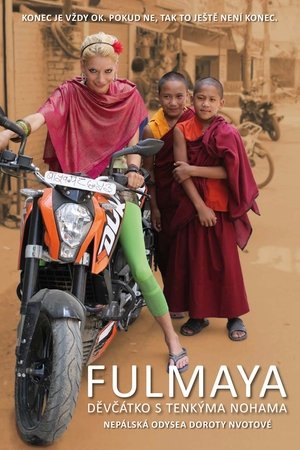
Fulmaya, děvčátko s tenkýma nohama
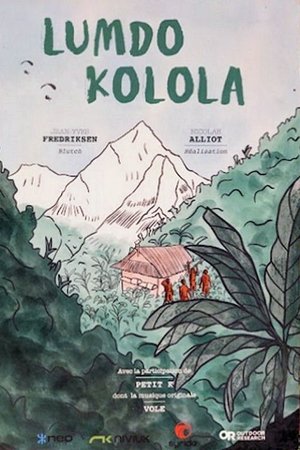
Lumdo Kolola
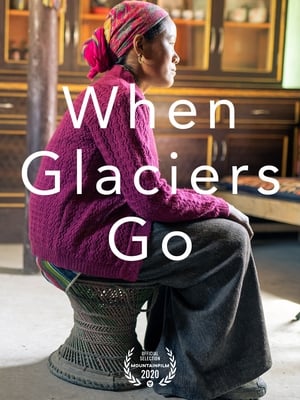
A diminishing water supply is driving people from their land in a remote region of Nepal. The younger generation of the Gurung family adapts by commuting from their ancestral home, where subsistence depends on grazing goats and cows, to a village that has a commercial apple orchard, fed by irrigation. “We cannot give up cultivating our fields,” a elderly man explains. “The apple farm is not going to be able to feed us easily.” The older generation believes that water shortages stem from road building and bulldozing, upsetting the natural order, a young man explains. Both generations fly prayer flags, beseeching water.
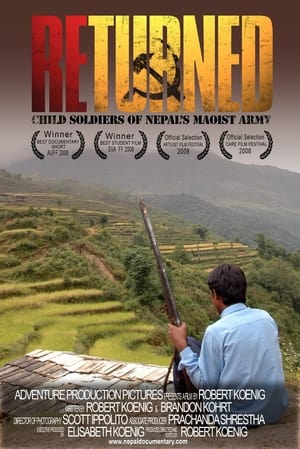
Imagine being forced to leave your family and fight in war you don't understand - and you are only eleven years old. Sadly, for many of these child soldiers in Nepal this is a reality and the peace process has not solved their problems. These children quickly discovered that the return home is even more painful than the experience of war. Returned weaves the voices of Nepal's child soldiers, organizations working to help them, and military leader's from Nepal's opposing forces, who answer challenging questions about their use of childen as warriors.
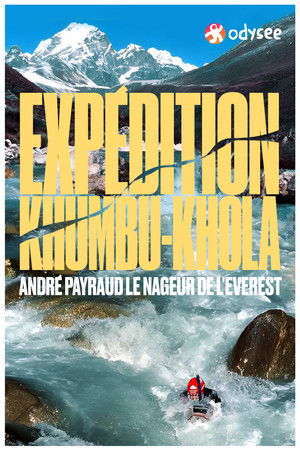
André Payraud, a pioneer and specialist in torrents and raging rivers, is nicknamed "the highest swimmer in the world." In October 1999, after the great monsoon, he swam down the Khumbu-Khola, a torrent that originates at 4,807 meters at the foot of Mount Everest, over five days. Furthermore, André Payraud wanted to connect with the people and culture of Nepal.
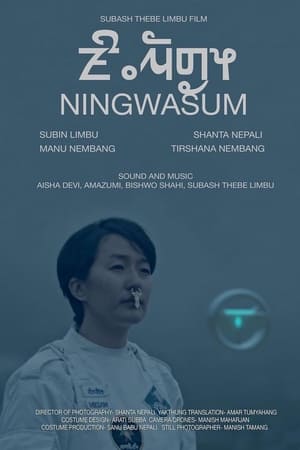
Ningwasum follows two time travellers Miksam and Mingsoma, played by Subin Limbu and Shanta Nepali respectively, in the Himalayas weaving indigenous folk stories, culture, climate change and science fiction.
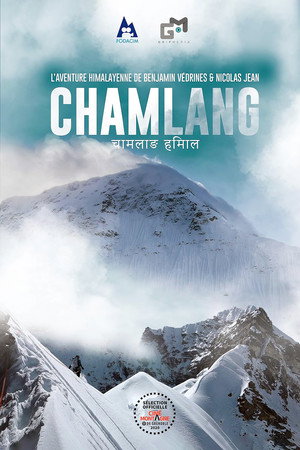
In October 2019, Benjamin Védrines and Nicolas Jean climbed the northeast couloir (1,500 m, M3/M4, 65°) of Chamlang (7,321 m, Nepal) to an altitude of 7,240 meters, using alpine style with a bivouac. The young French team had initially aimed for the north pillar of this mountain, a favorite among top climbers. Although they had to abandon their ascent of the northeast couloir, their climb was selected for the Piolets d'Or "big list."
Rising Nepal
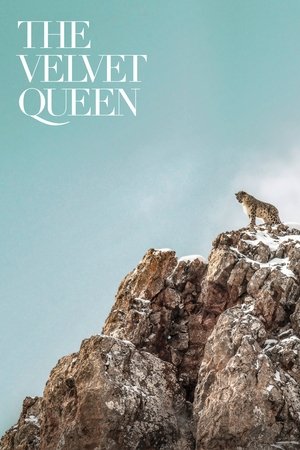
High up on the Tibetan plateau. Amongst unexplored and inaccessible valleys lies one of the last sanctuaries of the wild world, where rare and undiscovered fauna lives. Vincent Munier, one of the world’s most renowned wildlife photographers takes the adventurer and novelist Sylvain Tesson (In the Forest of Siberia) with him on his latest mission. For several weeks, they’ll explore these valleys searching for unique animals and try to spot the snow leopard, one of the rarest and most difficult big cats to approach.
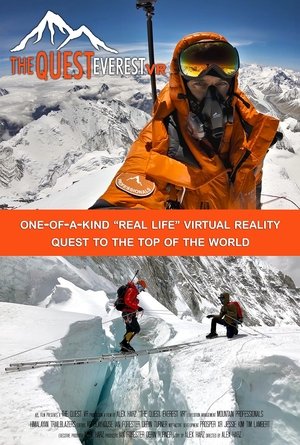
'THE QUEST: Everest VR' is a one-of-a-kind "real-life" Virtual Reality documentary to climb and reveal the most legendary mountain on earth, Mt. Everest, in stunning 360 degree video! It is the only real-life Virtual Reality experience that puts you directly in the boots with filmmaker and explorer, Alex Harz, on an epic 52 day quest to the Top of the World (29,032 feet / 8849 meters), and the closest thing to climbing Everest without all the rigorous training, planning and high risk needed to physically step foot on the mountain! 'THE QUEST: Everest VR' can be experienced worldwide in Virtual Reality headsets, and on computers, phones, tablets, etc...