Dum, the son of a peasant falls in love with Rumpoey, the daughter of a wealthy and respected family. The star-crossed lovers are torn apart for years, but their forbidden love survives. When tragedy strikes, Dum unleashes his rage and becomes the gun-slinging outlaw the "Black Tiger" who will stop at nothing to seek his revenge.
In Kabylie, rude mountain region in the north of Algeria. Arezki finds the young Larbi exhausted, buried under the snow. He takes him in and nurses him until he's recovered. The host seduces Arezki's daughter. She is pregnant. This is an unsupportable shame to the father of the female sinner. Arezki claims vengeance. He leaves his house and takes the oath not to come back before having killed Larbi who betrayed him under his own roof.
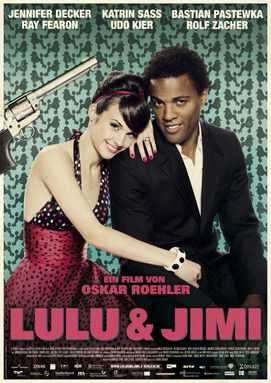
About sweeping love, rock & roll and getting rid of all that stale air of the fifties. You've got the good guys - that's Lulu and Jimi - and the bad guys: Lulu's mother Gertrud, her secret lover Schultz, the chauffeur, and a wicked old shrink, Von Oppeln, crouching in his gloomy office like a spider waiting to pounce on his prey Lulu. Light and darkness, bright garish colours, hot rock & roll and wild dance numbers mark this road movie about lovers fleeing from the evil powers of a deeply bigoted society. A drama about the relationship between a young black man and a rich German girl.
After 5 years of marriage, Ben is still madly in love. Until the day he discovers in public that his wife is cheating on him: humiliated and dumped in the process.
Mexican immigrant and single mother Flor Moreno finds housekeeping work with Deborah and John Clasky, a well-off couple with two children of their own. When Flor admits she can't handle the schedule because of her daughter, Cristina, Deborah decides they should move into the Clasky home. Cultures clash and tensions run high as Flor and the Claskys struggle to share space while raising their children on their own, and very different, terms.
Rabie is a kid from Sétif in 1980, trying to collect money to buy a wheelchair for his paralyzid sister Sassia, so she can get out of the house.
Despite mixed emotions, Frederick Winterbourne tries to figure out the bright and bubbly Daisy Miller, only to be helped and hindered by false judgments from their fellow friends.
Fous de Musique by Jean-Charles Carlus (1957) is a musical comedy featuring Rouiched, Mahieddine Bentir and the famous Bendaoud orchestra. Shot during the Algerian War, the film was not released until after independence and was probably shown in Paris in cinemas intended for immigrant workers around 1967. Sources: Archives Numériques du Cinéma Algérien
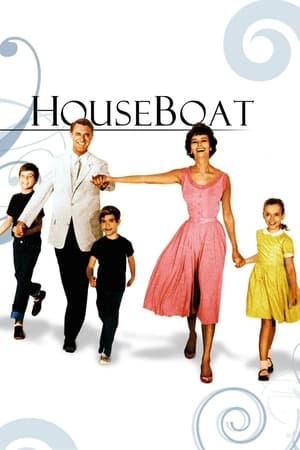
An Italian socialite on the run signs on as housekeeper for a widower with three children.
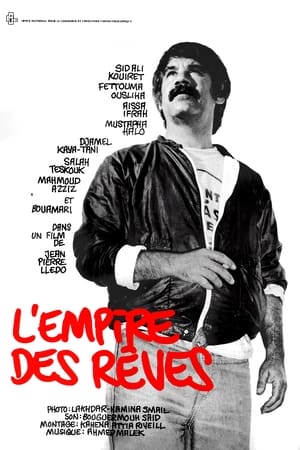
In the 70s, in the Goutte d'or district, three friends of Algerian origin: Poulou, a failed boxer, Amar, the clumsiest of thieves, and Jibé, a public writer for illiterate compatriots whose lives he knows in detail. As he betrays none of their secrets, he enjoys great prestige in the bistros where he works. The three of them lead a casual life, raising money by illicit means. It's only when Poulou and Amar leave that Jibé understands his isolation and marginalization. The images as well as the sounds help to reinforce the feeling that Paris is a city where he is both at home and a terrible stranger.
A party entertainer must go to extraordinary heights to escape a house of horror
Like every year in Zitouna, a bear handler passes by. With his creature, he comes to challenge the small community. And like every year, it is Slimane El Mabrouk who defends the honor of the tribe. But this time, he dies, leaving two orphans, Omar and Ourida. Robbed of their inheritance, the children will grow up alone. The years pass, the French army settles in, and with it, the war. Mysteriously, one day, after the murder of a French legionnaire, Omar disappears into the bush, while his sister dies in childbirth. Omar will return to the village, much later, once independence has been acquired, as a representative of power and with this enigmatic formula: "You must know that the Revolution has not forgotten you". Personal revenge? Sincere desire to bring progress and modernity? ... The inhabitants of Zitouna, upset in their ancestral way of life, will not be long in having an answer to their questions.
Cheating the tax man was just too tempting for Andrés. Besides, what are the chances of him getting caught? Well, as it turns out, pretty high! And that’s exactly what happens when a couple of tax inspectors turn up at his company to inform him that he owes the IRS a lot of money.
In 1960, nine-year-old Bachir dreamed of becoming the son of a martyr because he had heard that the children of martyrs would obtain everything after independence. He sets up a whole plan to get rid of a certain François, enemy of his country, while his father, Saddek, abandoned him with his mother and brothers. Through this fiction, the film looks at the life and visions of little Algerians during the War of National Liberation. Karim Traïdia looks back on his own childhood during the Algerian war (1945-1962). On a humorous note, it tells the adventures of a young child and his innocent friends against the backdrop of a raging merciless war.
Set in Spanish colonial Philippines. Pedro is tasked to wed a wife whilst his activist friend is considering him to join the revolution. Through a raunchy and campy path of winning the love of his life, Pedro is met with a daunting revelation.
An adaptation of the satirical play of the same name by comedian Rouïched (Ahmed Ayad). "El-Ghoula" (The Vampire) tells the story of a corrupt official who lives off the peasants of an agricultural cooperative. Instead of solving problems, this official manipulates empty rhetoric and "revolutionary" slogans to galvanize them and encourage them to continue working. Opportunistic, he will transform the fellahs' work into chaotic bureaucratic procedures for his own personal gain.
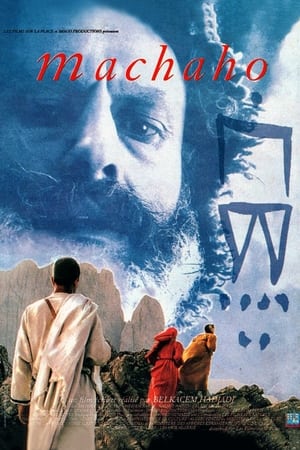
In one of the tribes of the Algerian Sahara, everyone awaits the arrival of the hero who will defend the rights of the poor. A man decides one day to put the mark of the "hero" on his newborn son and the whole tribe celebrates the arrival of this eagerly awaited messiah who came to save them. This false hero then grows up by assuming his role of savior. Filled with cynicism, he crosses the countryside and has a number of adventures.
Hassan, tired and worn out by the long years of post-independence, obtains a taxi license as a veteran and will crisscross the streets of Algiers, experiencing the most incredible adventures.
A husband, exasperated by his wife, spanks her without paying attention to the open window in front of which he is. He is annoyingly surprised to discover the next day that the scene has been photographed by a neighbor, and that the image is circulating in Paris. A debate then ensues: is this an opportunity to call for revolt or a welcome manifestation of marital authority?
Il était une fois... « Le petit monde de Don Camillo »