Playboy Video Magazine was literally a video version of the publication. It included candid celebrity interviews, video editorials, the trademark playmate pictorials, interwoven with commercial parodies and short comedy sketches. The series also covered trends in media; sex, politics, culture, and pop culture.
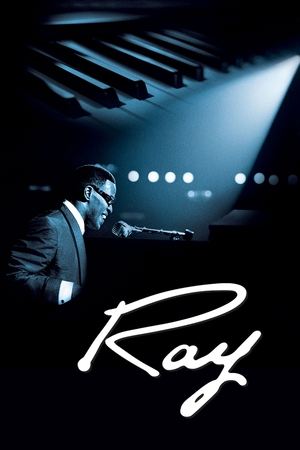
Born on a sharecropping plantation in Northern Florida, Ray Charles went blind at seven. Inspired by a fiercely independent mom who insisted he make his own way, He found his calling and his gift behind a piano keyboard. Touring across the Southern musical circuit, the soulful singer gained a reputation and then exploded with worldwide fame when he pioneered coupling gospel and country together.
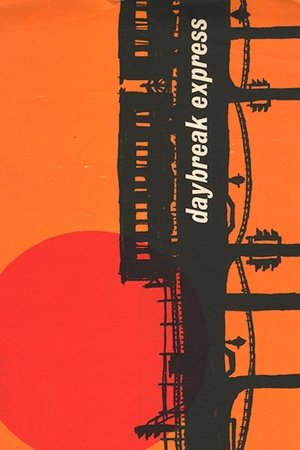
Set to a classic Duke Ellington recording "Daybreak Express", this is a five-minute short of the soon-to-be-demolished Third Avenue elevated subway station in New York City.
Documentary exploring the meaning and history of cool through the American music that started in the 1940s in the bars of New York and LA, and became known as cool jazz.
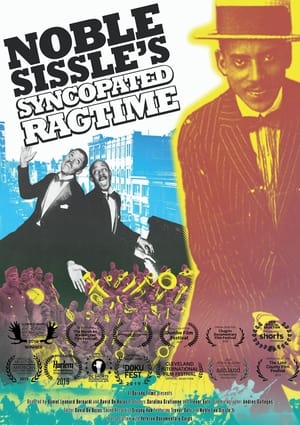
Combining footage unseen since WWI with original scores from the era, this film tells the story of Noble Sissle's incredible journey that spans "The Harlem Hellfighters" of World War I, Broadway Theatre, the Civil Rights movement, and decades of Black cultural development.
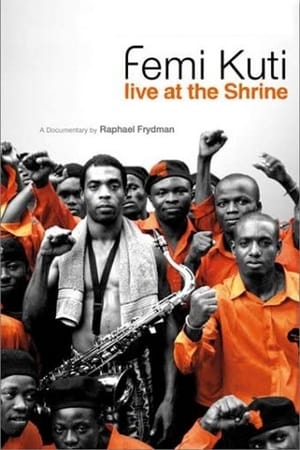
An unprecedented collection by Afrobeat legend Femi Kuti, Live At The Shrine includes both a concert film/DVD documentary and a live concert CD, singularly conveying the beauty and joy of Afrobeat music – a combustible cocktail fusing jazz, funk, and traditional African music – while also communicating it’s fascinating roots and politics which began with Femi’s father Fela Kuti, the creator and godfather of Afrobeat. Live At The Shrine takes place in the Kuti family’s hometown of Lagos at the Africa Shrine, where every Sunday Femi plays to a packed house of revelers. With music as his weapon of choice and the Africa Shrine a temple of protest song, Femi continues his father’s fight, railing against the corrupt Nigerian government and staunchly defending PanAfricanism. Capturing this experience through interviews, street scenes, and the music itself, Live At The Shrine captures the spirit, passion, and hope, of a man and a people who are fighting.
This Emmy-nominated TV special highlights rare performance footage filmed between 1968 and 1969 at various US venues and locations, including the Westbury Music Fair, The Village Gate, and RCA Studios in New York City. Also featured are candid and personal interviews with Nina herself, revealing her unique views on music and life -- all expressed with her trademark intensity.
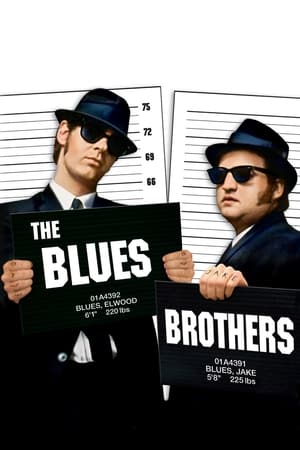
Just released from prison, Jake Blues puts his old band back together with his brother Elwood to save the Catholic home where they were raised.
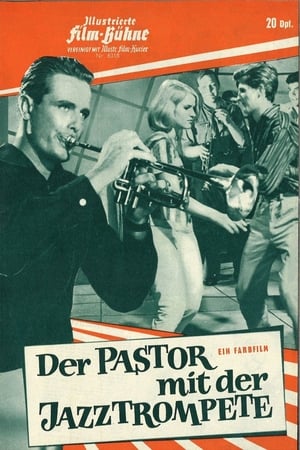
When the Lutheran pastor Roland retires, the young priest Roll shall replace him. He plays the trumpet, loves Jazz and his methods are unconventional: From the first day on he offends the village's notables, but he doesn't care so much since he especially targets the youths, wants them to get back to the church again. However the mayor agitates against him, manages to endanger Roll's success. The conflict leads to vandalism and open violence against Roll.
The film chronicles a unique artistic experiment: pianist Stefano Bollani (the director’s husband) brings together an ensemble of Italian jazz legends and rising stars in a home studio to prepare for a one-of-a-kind concert.
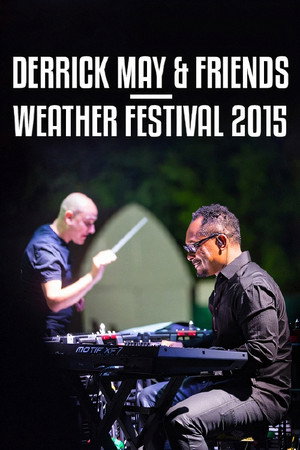
Derrick May and l'orchestre Lamoureux: Weather Festival Opening
A Free Cinema short documenting a night at the Wood Green Jazz Club, observing youth culture, music, and social dynamics through an unobtrusive, non-narrated style.
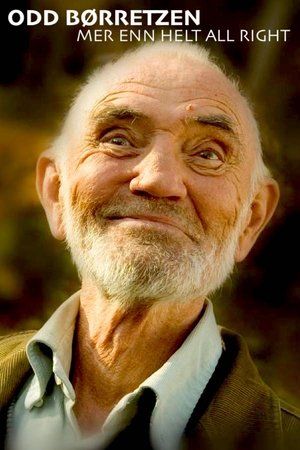
A portrait of Norwegian poet Odd Børretzen in his own words, featuring musical highlights from Børretzen's work with musicians Alf Cranner and Lars Martin Myhre.
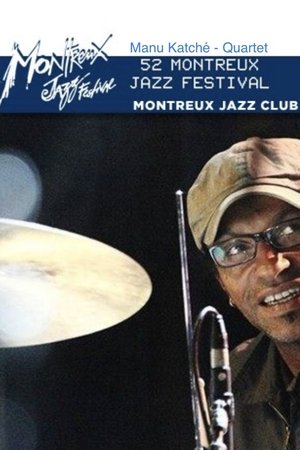
Manu Katché - Quartet Live Montreux Jazz Club 2014
A loose fictitious of Charlie Parker's last years and a portrait of the jazz scene in 1960's New York. A black jazz musician bent on self destruction forms an odd friendship with a white college professor full of feeling sorry for himself.
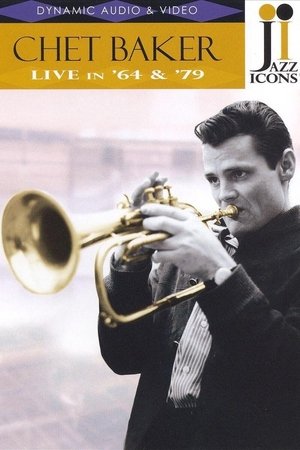
Chet Baker features two concerts by the foremost interpreter of the West Coast school of cool jazz. Filmed in Europe 15 years apart, these two shows seen together provide an overview of Baker’s illustrious career. The first show is a haunting 1964 performance in a Belgian TV studio with a quartet including long-time sidemen saxophonist Jacques Pelzer and French pianist Rene Urtreger. Songs include the Miles Davis classic, “So What,” and the jazz standard “Time After Time” (a very rare rendition featuring Chet’s “Cool” vocal style.) The soulful1979 set from Norway, with a trio featuring vibraphonist Wolfgang Lackerschmid, highlights the growth and maturity of this troubled but inspiring artist.
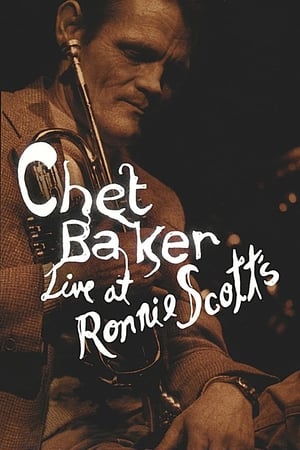
Chet Baker plows a uniquely individual furrow in the field of jazz. His trumpet playing is beautifully delicate and takes standard ballads into hitherto unexplored emotional territories. Here Chet is accompanied by Michel Grailler on piano and Riccardo del Fra on bass. Two of Chet's admirers also guest star here: Van Morrison and Elvis Costello.
A documentary about the legendary Jazz player Charlie (Bird) Parker.
Track Listing/Features: Yesterday A Place In Space Song For My Father All Blues New Morning Improv Improvised excerpt from Bela Bartok's concerto for orchestra 2nd movement Mozart's Piano Concerto No 21, 2nd movement Now's The Time Naima Because Amazing Grace Return Expedition
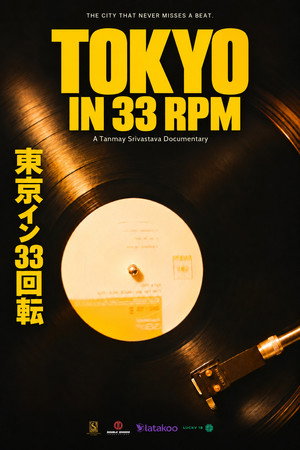
From the intimate jazz clubs of Tokyo to the listening cafés that have shaped generations, Tokyo in 33 RPM explores Japan's remarkable relationship with jazz through the musicians, historians, and music lovers who have made it their own.