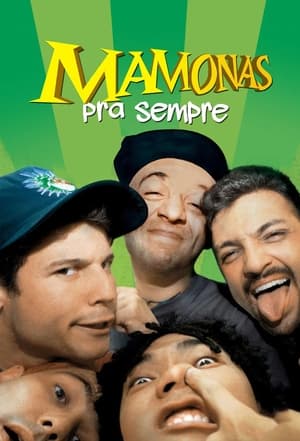
Jerry is a tutor at an orphanage. On the first day of vacation, the boys go to the beach with Professor Teobaldo and find a skeleton and a treasure map. Word spreads and a rush for gold begins. On the one hand, Jerry and Neyde, television colleagues; on the other, the director of the station, Indalécio, and his lover Aphrodite; finally, the evil Rock Trombada, in the company of scientist Bertini and Daniel. On Treasure Island, the three camps promote mutual sabotage. After many confusions, Trombada flees with the treasure to the ship's cemetery but they are surrounded by the boys and Indalécio. It's the final war. But it is Jerry who will take the wealth in order to improve the situation at the orphanage.
The film is an unprecedented and exclusive testimonial of Maria Bethânia from director and screenwriter Carlos Jardim, interspersed with rare footage of rehearsals and concerts by the singer throughout her 57-year career. Actress Fernanda Montenegro narrates five texts by authors such as Ferreira Gullar and Caio Fernando Abreu about Bethânia's importance on the Brazilian cultural scene.
From a repressive childhood to artistic revolution, Ney Matogrosso transforms Brazil's stages — and himself — through music, creativity and inner fire.
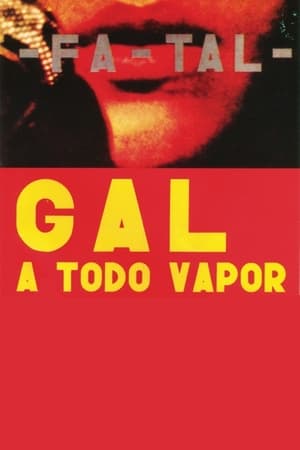
Shot in 1971 during Gal Costa's famous concert "Gal Fa-tal" in Rio de Janeiro's Sucata Nightclub, Ivan Cardoso's eponymous Super-8 short film shows the singer both in and off stage, interlapsed with scenes from Cardoso's "Nosferato no Brasil".
Priscila Senna, A Musa EP
PiCO Pedro Saliba - Clio 2007
Benedito wakes up for another day of work as a motorcycle courier. Cradled by Raidol's Mandinga and guided by his Orishas, he receives mysterious deliveries to leave them at a final destination but the paths that open up go far beyond his everyday reality.
The cinema of Pernambuco is considered one of the most complex components of Brazilian cinema, particularly for its potency and creative style. The presence of women in filmmaking seldom holds the same historical notoriety as that of men, and the Pernambuco scene is no exception. In the context of "Amor, Plástico e Barulho" (Love, Plastic, and Noise), we find a film that serves as a testament to the marginalization of women in the creative industry, intertwining themes of consumption and the production of brega music. Hence, we use "Feminino e Barulho" (Feminine and Noise) as a means to share what we've learned. Renata Pinheiro has inspired us to craft a narrative that gives voice to those who need to be heard. We are here to showcase a glimpse of them and what they represent. "Feminino e Barulho" is a short film about love, femininity, sisterhood, and empowerment.
Uma Nova Paixão
Aqui Favela, o Rap Representa
At the Philharmonie de Paris, Brazilian music legend Gilberto Gil revisits half a century of his career in a gentle, committed, and eclectic concert.
Sexo é Bom
"Estratosférica ao Vivo" is not just the record of a Gal Costa show. It is the portrait of the artist reaching the 70 years of life, 50 of them dedicated to music. The show "Estratosférica" crowns the new artistic phase of Gal, more and more interested in connecting several tips of the history of the music of Brazil, joining the composers of its generation to names of the new national scene. The script, created by Marcus Black, was very good at this idea. Sewing songs by Caetano Veloso, Tom Zé, Luiz Melodia, Jards Macalé and Waly Salomão, Carlos Pinto and Torquato Neto, Roberto and Erasmo Carlos - a series of tropicalist and post-tropicalist works that until now serve as reference and feed the new generations of music.
Alice Maciel e Banda Pentecostal - Ao Vivo
Irmão Lázaro - Testemunho e Louvor
Zeca prepares the pasta while Ana smokes a cigarette. As they sit down to eat, Zeca asks: What are the best songs to listen to while cooking... or eating? Meanwhile, Ana just wants some peace and quiet so she can eat.
Bonde Do Tigrão - O Baile Todo
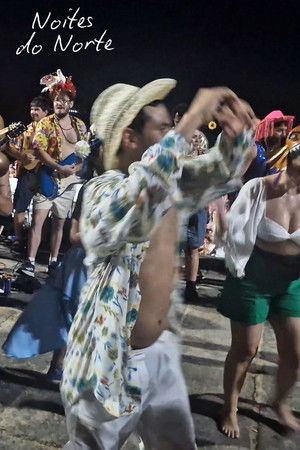
Noites do Norte
"Lobão - Não Há Estilo Sem Fracasso" investigates the artistic career of Lobão, one of the most famous musicians of brazilian rock in the 80s. From some interviews with people such as Edgard Scandurra, Liminha and Marcelo Sussekind, this short movie shows various points of view about music industry and it presents hits of Lobão such as "Das Tripas Coração" and "Mal de Amor".
Tangos e Tragédias na Praça da Matriz