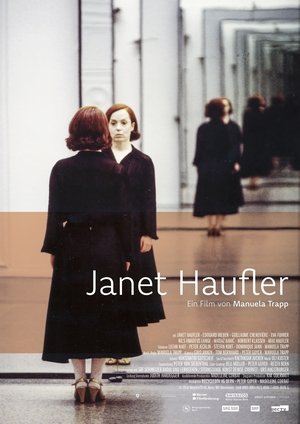
Janet Haufler
The story behind the translation and performance of Shakespeare's "Hamlet" in Klingon.
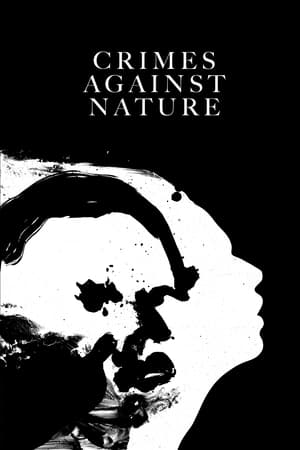
Described in the 70’s as "A Chorus Line for gay people," Crimes Against Nature remains vital today as a communal disclosure of roles that gay people adopt in order to survive in a world that devalues homosexual feelings. It features individual actors delivering revealing monologues, during which the other members of the collective play background roles (parents, schoolmates, etc.). One by one, the actors detail the ways in which they have buried their true selves in order to survive and be accepted in the world: repression, drug use, shyness, being agreeable, putting experiences into "little boxes," acting "butch," and so on.
O Alence a káčeti
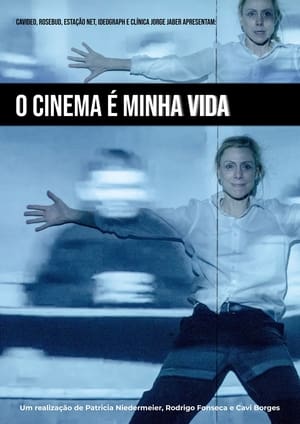
Triggered by congressman Jair Bolsonaro’s homage to the torturer Carlos Alberto Brilhante Ustra, during president Dilma Rousseff’s impeachment hearing in 2016, Inês, a 70 year-old actress, starts a fragmented narrative of her own history, transforming the memories of her youth as an artist and guerrilla fighter during the military dictatorship into performances. Using as a starting point her participation in Teatro Oficina's 1967 production of the play "King of The Candle", by Oswald de Andrade, Inês creates a manifesto in defense of art's political strength, intertwined with memories of lost love and resistance.
In the dressing room of the French cinema, minutes before attending a lecture, François Truffaut recalls his trajectory
Não Vai Embora
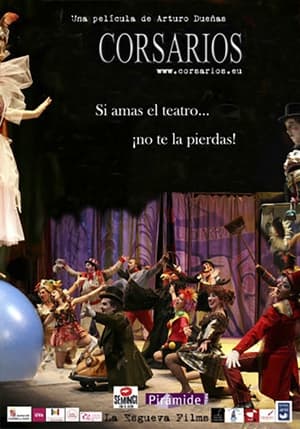
Corsarios
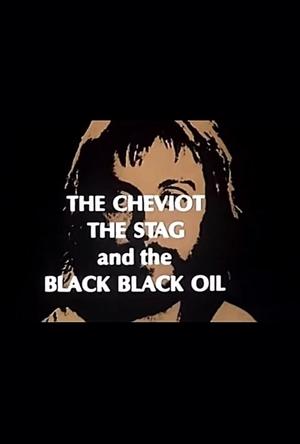
In their songs, comedy and exuberant music, a travelling theatre company give a fiercely polemic account of Scottish history, from the aftermath of Culloden to the oil boom. Their production before a live audience is intercut with filmed reconstructions of the Highland Clearances and the Victorian obsession with hunting stags.
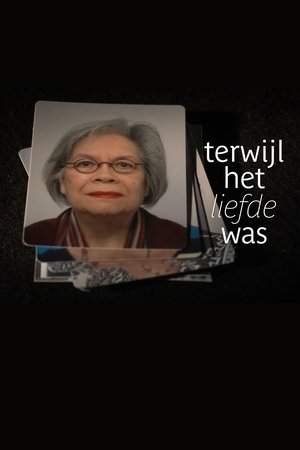
Artistic director of the National Theater Eric de Vroedt writes and directs a performance about his own mother Winnie, who passed away in 2020. This piece, titled The Century of My Mother, is a family story about the migration from the Dutch East Indies to the Netherlands. It is De Vroedt's way of examining the relationship with his mother and not having to say goodbye to her yet: 'I can let her live on stage, but when the curtain falls, when the play is completely finished, then she is really dead'.
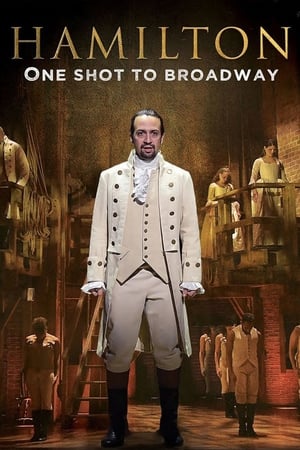
It’s the hit musical that changed Broadway forever and brought the genius of Lin Manuel Miranda to the attention of legions of fans across the world. A story of how a group of mavericks made an unlikely marriage of hip-hop and history to create the biggest show in America…and are getting ready to conquer the world. Featuring interviews with Miranda, as well as the cast and crew of Hamilton.
The internal journey of eight men, who, through a theater workshop, go through the different prisons they inhabit. Practicing the art of seeing themselves, in Boal's words, this group of men reflects on their masculinity as a representation to hide their true strength: their vulnerability.
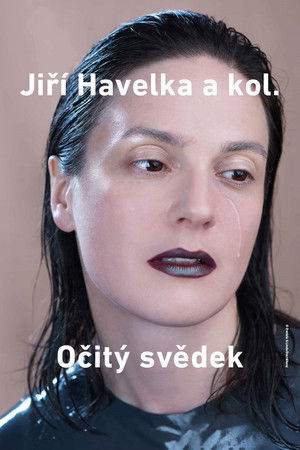
"A documentary anatomy of mass murder for one monitor and 34 talking heads." These are the words the filmmakers use in the credits to describe their project, which thematises the execution of more than 260 Carpathian Germans, Hungarians and Slovaks by Czechoslovak army soldiers near Přerov in June 1945. The “massacre at Přerov” is made present through a minimalist dramatisation of the interrogation footage of direct participants, eyewitnesses, and others. It is as if the characters of ancient theatre were entering the Zoom “stage” and delivering a tragic message of fear, hatred and disinterest across the chasm of time.
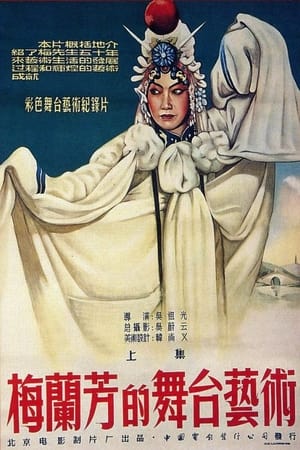
Mei Lanfang's Stagecraft Part I
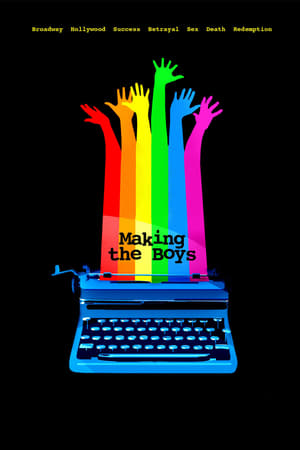
Before Prop 8, Milk or Will & Grace, before the AIDS epidemic, gay pride parades or the Stonewall uprising, "The Boys in the Band" changed everything. "Making the Boys" explores the drama, struggle and enduring legacy of the first-ever gay play and subsequent Hollywood movie to successfully reach a mainstream audience. Featuring anecdotes from the surviving cast and filmmakers, as well as perspectives by legendary figures from stage and screen, it traces the behind-the-scenes drama and lasting legacy of this cultural milestone.
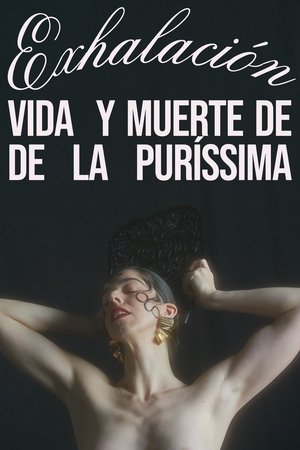
The duo made up of musician and actress Julia de Castro and double bass player Miguel Rodrigáñez thus premieres their latest show, Exhalación: vida y muerte de De La Puríssima. With it, they intend to put an end to the ten-year revolution of EL CUPLÉ this scenic musical genre, which the singular tandem has merged with jazz, cumbia and electronics on stages around the world. Show nominated for the Premios Valle Inclán. As the duo explains, De La Puríssima was born in 2009 “as a transit project, in which music was the most direct and ritualistic medium from which to raise core issues such as sex, bullfighting, folklore or religion”. Now, a decade later, it is time to remove the peineta and celebrate the end of a stage in which the provocative lyrics by Julia de Castro have traveled through numerous audiences to bring up to date a genre that was in the forgetfulness of national folklore, the cuplé.
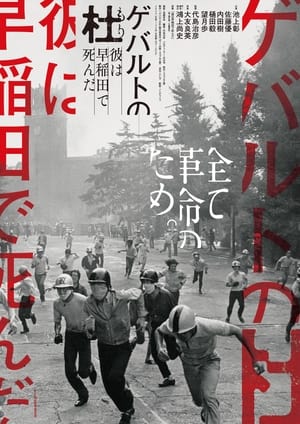
A documentary about the end of the student movement in 1972 and the lynching of Daizaburo Kawaguchi, a student at Waseda University. The documentary interweaves testimonies from japanese intellectuals and a short play, written and directed by Shôji Kôkami, about the murder.
Morso in Versi
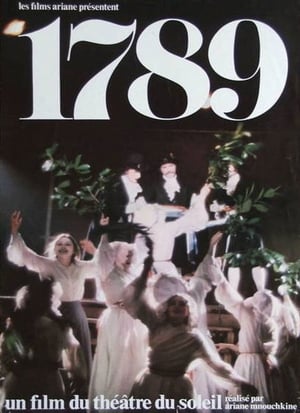
Recording of the play 1789, a collective creation by Théâtre du Soleil at La Cartoucherie de Vincennes in 1970, edited from several shows.
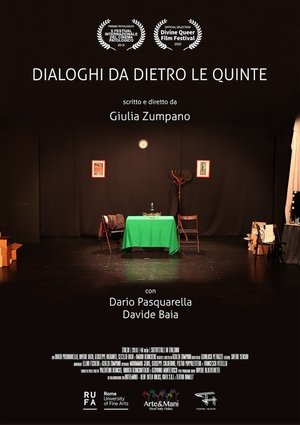
A documentary that follows the story of Dario Pasquarella, deaf director and actor, and his company. Through his work, Dario seeks to bring together the deaf and hearing community, who are usually separated by a lack of communication. In his shows he uses both languages, LIS, sign language and spoken language, to tell stories in which the deaf and hearing can live in symbiosis.