A documentary about a small touristic village in Algarve, Southern Portugal.
10 January1946, the antennae of Camp Evans emit a short signal with very great power towards the Moon. A little more than two seconds later, they capture a slight echo. This was the first success for Project Diana, two years after its launch. Giving form(s) — in all the senses that this term may include — to what is invisible is at the heart of Simon Ripoll-Hurier’s practice. From amateur radio operator clubs to ghost hunters, from bird watchers to the drums that could send signals on battle fields, the challenge here is to successfully establish contact with a distant, absent being, by using much more mysterious means than those inhabiting our daily lives. So, although the machine appears in diverse forms, the challenge is probably more linked to the immaterial, to the silence or to the background noises that constantly disturb the efforts and attempts
After the passing of her mother, Lorena finds the diary that she kept all her life. The entries allow her to discover a different woman. Having grown up in the worship of her father who fought as a partisan during the war, Lorena realises that she must start digging in the secret story of her mother if she wants to understand aspects of her own life. The pages of the diary feel like a book from another time. Working as a nurse, her mother was covertly working for the partisans passing them intelligence that she astutely acquired from wounded German soldiers by administering more morphine than usually required to ease the pain.
Because of her age and fragile health, an old Russian lady has to share her apartment with her niece and four grandchildren. At every moment, the calm she enjoyed, her fine family keepsakes, and also her beloved piano, are in danger, under the impetus of the wild energy of the kids. The two worlds, forced into cohabitation, could not be more distant from each other: on one side, what remains of an affluent class, on the other, the “proletariat” as much in the literal sense as in the figurative one. A question hangs in the air: will the members of this family manage to find a place for each other in their hearts? This is a charming little documentary comedy, a one-room drama which, like a Russian story from the last century, is seen like a shadow of the world.
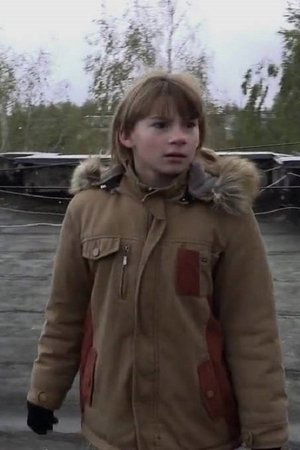
In the event of natural disaster, turn off electricity and gas, hide your valuable objects, lock the house, climb onto the roof, and maybe you will survive. Natasha, 12 years old, knows these instructions by heart. So, while waiting for the storm, she laughs and fights, suffers heartbreak, attempts to negotiate the purchase of a new swimsuit with her father. With zest and delicacy, with clear complicity with the body of her young heroine, Elizaveta Kozlova captures the details of a day-to- day life which, although ordinary, never seems insipid, so deeply is it infused with the contagious energy of the protagonist. And as the lines of contemporary Russian society and its problems are sketched out, In the Eye of the Storm reveals itself as the portrait of a character undergoing tremendous change.
A 1962 West German documentary film directed by Hermann Leitner and Rudolf Nussgruber.
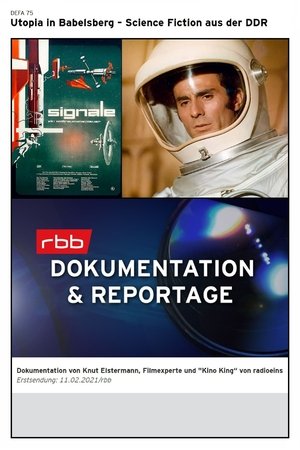
DEFA made several science fiction films that are hardly known today. These productions, called "utopian films" in the GDR, show astonishing technical achievements. ...Science fiction at DEFA was never a war of the stars, no alien invasion, but in most cases an establishment of contact with the alien via signals, a recurring plot motif. Communication instead of confrontation. These films provide information about the image of a coming socialist society, about expectations and hopes, and they were counter-images to the officially condemned Western SF art.
The director lost her three uncles. She returns to the cemetery where they are buried. Mixing super-8 home movies and 16mm travelling shots in the alleys of the cemetery, "We came back to chesnut tree avenue " is a tribute to their invisible presence.
Close-up on the story of a dream of actors, of a village of die-hards, of a breeding ground for talents: the Café de la Gare, founded the day after May-68.
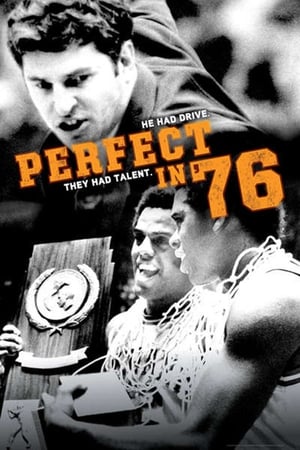
Documentary revisiting the ‘76 Hoosiers and renowned coach Bobby Knight, who led his Indiana team to a perfect 32-0 season and a national championship.
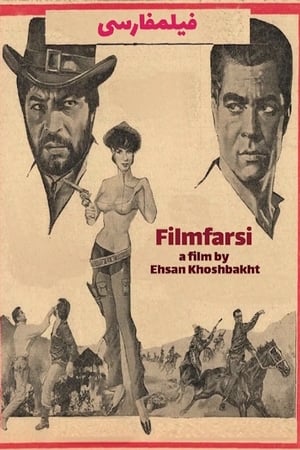
A found-footage essay, Filmfarsi salvages low budget thrillers and melodramas suppressed following the 1979 Islamic revolution.
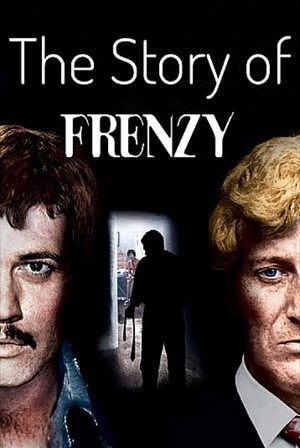
Documentary about the making of Alfred Hitchcock's 'Frenzy'.
The film captures the environmental protection strike march in Lower Manhattan on Friday, September 20, 2019.
Aufbruch Leipzig - Oktober 1989
The conjoined twins Chang and Eng were born in Thailand in 1811, were sold by their mother to a Western ship captain, toured the world, won freedom and fortune, and settled in the American South. There they married sisters, grew tobacco, and eventually raised 21 children and owned some 28 slaves. Through lyrical reenactments and interviews with scholars, writers and the twins' numerous descendants, "The Siamese Connection" shows how the famous and mysterious lives of the original Siamese twins continue to reverberate in the culture and imagination, exciting issues of race, body image, sexual taboo, and otherness.
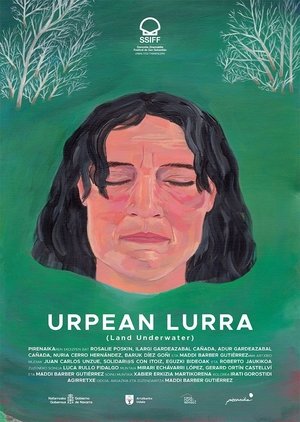
Almost two decades ago, the Itoiz dam flooded seven villages and three natural reserves on the Pyrenean hillside in Navarra. The ecologist group Solidari@s con Itoiz registered the fight against its construction. Today, those who were there dream of the land lying beneath the water on video. Their voices and gestures come together to tell the tale of an individual and collective mourning still suffered today.
A documentary following Norwegian punk, new wave, post punk and hardcore music from 1977 to 2015.
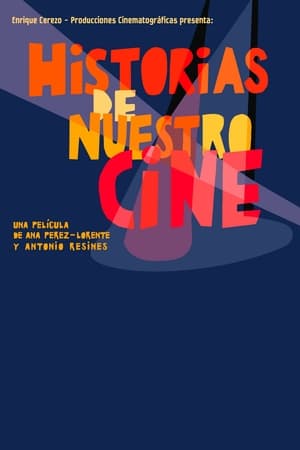
In Spain, on May 11, 1896, at the Price circus, the first moving images ever shown in the country are projected. From that event, the Spanish actor Antonio Resines intends to compile a series of anecdotes to shape the amazing history of Spanish cinema, holding several conversations with prominent figures of the Spanish film industry.
Sacrée croissance
Dresden Oktober '89