Short film on the art in the Basque Country.
Documentary on the relationship between the Basque language and its immediate cultural universe.
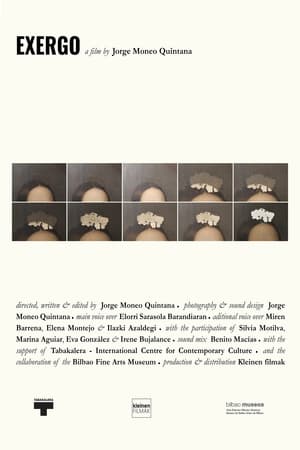
Departing from peripheral details of some paintings of the Bilbao Fine Arts Museum, a female narrator unravels several stories related to the economic, social and psychological conditions of past and current artists.
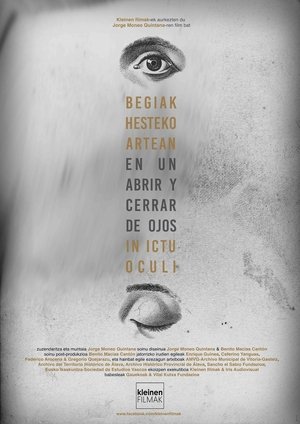
The six-decade transformation of a block of houses, shown by means of artfully featured archival shots, highlights the beauty and sadness of human-made decay. In the blink of an eye 66 years pass by and a savings bank replaces a church.
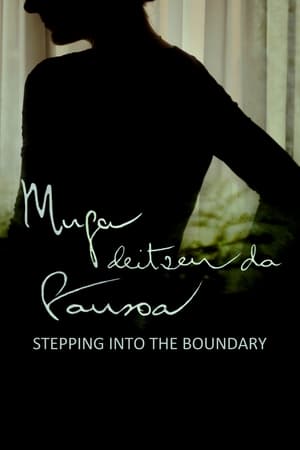
Donostia-San Sebastián, Basque Country, Spain, 2011. Maider, a filmmaker, moves to the very same flat where pedadogist Elbira Zipitria Irastorza (1906-1982) clandestinely established the first ikastola, a Basque school, under the harsh regime of dictator Francisco Franco. Despite of her pioneering work, developed throughout thirty years, her story is not well known, so Maider, intrigued, begins to research…
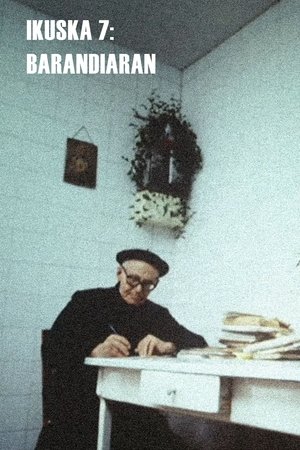
Interview and tribute to Jose Migel Barandiaran, researcher on Basque culture.
Analysis of the problems facing the rural world of Araba, a region of the Basque Country.
Documentary dedicated to the new Basque music.
The troubles of learning Basque in adults.
A memory to the victims and a tribute to the survivors of one of the most tragic episodes of the Spanish Civil War: the bombings suffered by the population of Gernika.
Documentary that presents the urban problems of Bilbao.
Debate on the launch of Basque television (ETB, Euskal Telebista).
Study on the situation of Basque language compared to Spanish.
The situation of the Basque language in Navarra.
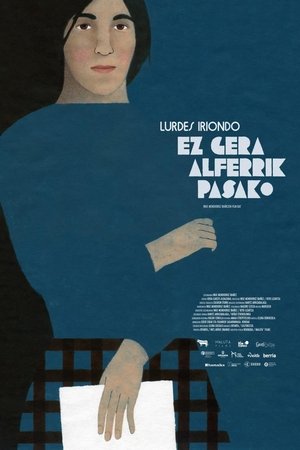
A singer frozen in old black and white photos. Forever young. Encapsulated. Trapped in the frame, just like her voice on her vinyl records. Forgetting that the point of view is chosen. Forgetting that, in addition to being a singer, Lurdes Iriondo is also an essential reference in the transmission of Basque culture. She understood that children were the key, and she worked for them.
In this short documentary film about Basque pelota, in addition to showing the different modalities (basket ball, handball, paddle, ratchet...), well-known pelota players of the time take part.
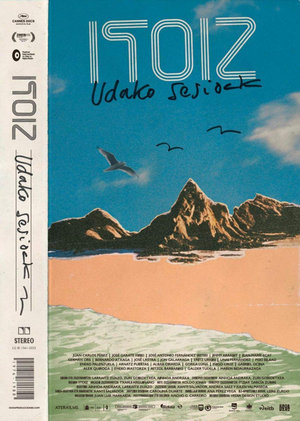
The discovery of a series of unreleased tapes leads Juan Carlos Pérez, leader of the iconic group Itoiz, to reflect on the dissolution of the band at its peak, after a clear change of style towards pop that he still denies today. Juan Carlos will thus begin a cathartic journey to the essence of the group, reliving the beginnings of the band as a progressive rock group in Mutriku in the 70's, which will serve him to reconcile with the past.
The personal stories lived by the Uncle, the Father and the Son, respectively, form a tragic experience that is drawn along a line in time. This line is comparable to a crease in the pages of the family album, but also to a crack in the walls of the paternal house. It resembles the open wound created when drilling into a mountain, but also a scar in the collective imaginary of a society, where the idea of salvation finds its tragic destiny in the political struggle. What is at the end of that line? Will old war songs be enough to circumvent that destiny?
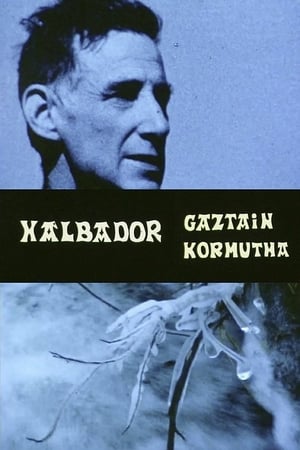
Documentary on the life of the Basque shepherd and oral improviser (or 'bertsolari') Fernando Aire (1920-1976), known as 'Xalbador'.
The story of the local neighbourhood club, Antiguoko, that became a Basque dream team and helped produce Premier League managers Xabi Alonso, Mikel Arteta and Andoni Iraola.