The pantomime of two characters exchanging roles is accompanied by a three-layered phonogram, where sophisticated narrative text is interrupted by slightly accelerated excerpt from Brezhnev’s speeches, as well as by fragments of statements of the mentally ill person with the schizophasia symptom.
A look at what goes on backstage during the last broadcast of America's most celebrated radio show, where singing cowboys Dusty and Lefty, a country music siren, and a host of others hold court.
The quasi-fictional story of transgender sex workers living in Rio de Janeiro's swampy red light district, who are joined by a group of hippies and a runaway stockbroker, "Mangue-Bangue" is the paradigmatic expression of the post-1968 spirit of desbunde, the Brazilian slang catchword for "sex, drugs, and rock 'n' roll".
A rich farmer is well known for being very unkind. He's misanthropic, misogynous and cantankerous. Until he meets by chance a gorgeous girl...
Avant-garde homage to pre-revolution Russian silent movies, and to the poet Aleksandr Blok.
Edward Kaminsky, an aging ad man, wants a golden parachute from his agency; he must first land the Opel auto contract. Rosa, a youth with wealthy parents, wants to establish herself as an artist. The clumsy and enthusiastic Viktor, not quite honest, wants work. When he wanders into Kaminsky's meeting with Opel and says something about irony, the Opel director wants him in on the campaign. Then he steals an idea from Rosa that the Opel director loves. Before Rosa discovers he's expropriated her idea, Rosa and Viktor become lovers. Father-son feelings materialize between Kaminsky and Viktor. Can the impulsive Viktor hold it together before Rosa learns the truth and flies away?
Two lost souls visiting Tokyo -- the young, neglected wife of a photographer and a washed-up movie star shooting a TV commercial -- find an odd solace and pensive freedom to be real in each other's company, away from their lives in America.
The winner of the Miss World Virginity contest marries, escapes from her masochistic husband and ends up involved in a world of debauchery.
An anthology of one-minute films created by 51 international filmmakers on the theme of the death of cinema. Intended as an ode to 35mm, the film was screened one time only on a purpose-built 20x12 meter public cinema screen in the Port of Tallinn, Estonia, on 22 December 2011. A special projector was constructed for the event which allowed the actual filmstrip to be burnt at the same time as the film was shown.
A forgotten faceless celebrity ascends into heaven along the path of self-discovery and through a land of faded memory.
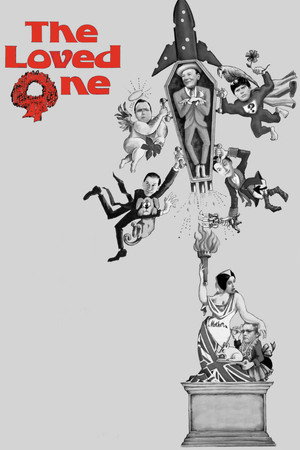
The suicide of his expatriate uncle draws Englishman and poet Dennis Barlow into California's booming funeral industry.
A disgruntled film production assistant seeks advice from a young, eccentric producer with sadistic tendencies.
The world shifts subtly while silent watchers already understand.
A woman gets stuck in a Red Lobster commercial, in Robin Comisar’s horror-comedy that won Best Short at the Overlook Film Festival.
In this fragile yet frightening poetic fantasy set against a dark industrial landscape, a woman sits knitting on the porch of her home when a man appears and takes the knitting from her.
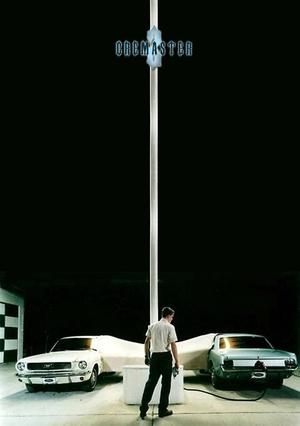
CREMASTER 2 is rendered as a gothic Western that introduces conflict into the system. On the biological level it corresponds to the phase of fetal development during which sexual division begins. In Matthew Barney's abstraction of this process, the system resists partition and tries to remain in the state of equilibrium imagined in Cremaster 1.
CREMASTER 3 is set in New York City and narrates the construction of the Chrysler Building, which is in itself a character - host to inner, antagonistic forces at play for access to the process of (spiritual) transcendence. These factions find form in the struggle between Hiram Abiff or the Architect...
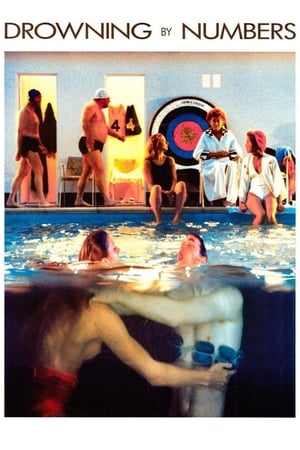
Cissie Colpitts drowns her cheating husband and, in the ensuing cover-up, enlists the help of lonely coroner Henry Madgett, an old friend with a longstanding weakness for her charms. But when Cissie's daughter and granddaughter—both also named Cissie Colpitts—decide to resort to the same methods for solving conflicts with their own frustrating husbands, the women and their repeated appeals for help begin to wear on Madgett's conscience.
A commercial artist with a lisp chooses silence, unexpectedly propelling his career. His perceived innovation leads to rapid advancement in an ad agency. Mueller-Stahl shines in this biting critique of East German workplace culture.
Drama in the Futurists' Cabaret No. 13