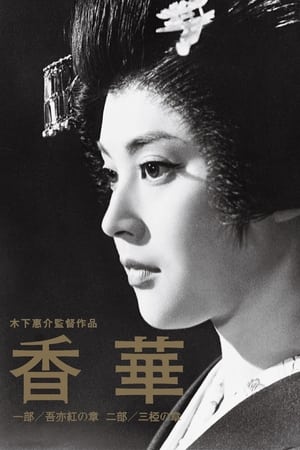
After her mother runs away from home, Tomoko is raised to be a geisha. One day Tomoko meets her mother in a red-light district in Tokyo and her life deeply gets in trouble.
During the Taisho era of 1918, 17-year-old Benio Hanamura thrives on bucking tradition. As a boisterous and quarrelsome tomboy, Miss Hanamura leads a life of kendo and tree-climbing adventure with her best friends Tamaki and Ranmaru. Benio determines to find love on her own, though her family has other plans. Benio will encounter tests of love, independence, and friendship during wartime.
An unhappy young woman from an abusive family is married off to a fearsome and chilly army commander. But the two learn more about each other, love may have a chance.
The tragic, true story about Hachikō, an Akita dog who was loyal to his master, Professor Ueno, even after Ueno's death.
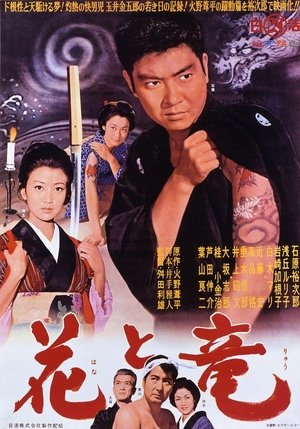
In the late 1890s, coal is a precious new natural resource. During an era of rapid economic growth, dreams are instilled into the lives of many across Japan. A vigorous young man with a look of fearless determination, sets foot on the northern part of Kyushu, an area where Yakuza thrived. His name is Kingoro Tamai (Yujiro Ishihara). With plans to travel the world, Kingoro worked diligently at a coal mine. His loyalty and hard work earned the respect of his peers, his courage won the heart of the beautiful Mon (Ruriko Asaoka), and his success evoked jealousy in his enemies.
In turn of the 20th Century Japan, a period characterized by widespread innovation and social restructuring, Benio Hanamura endeavors to take modernization to new heights. With a tomboy nature, Benio rails against traditional ideas that women should take care of the home—serving their husbands rather than pursuing their own dreams. Her values as a modern woman come under fire as the one man who supports her independence, Lieutenant Shinobu Ijuin, goes missing in action. Resurfacing back in Japan, Shinobu has lost all memory of his true identity. In this stunning sequel, will Benio be able to reconnect with Shinobu before she is married off to a new man?
Kenji, the eldest son of Masajiro, a wealthy moneylender, refuses to work in the family business and becomes obsessed with farming, jewelry and religion.
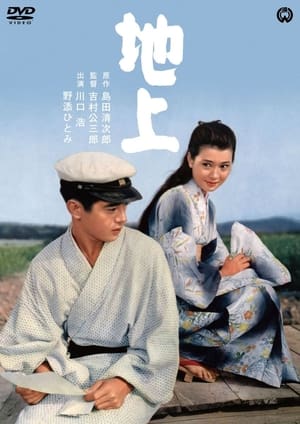
Ichiro’s family used to be a large landowner, but now he is living in poverty with his mother. His mother works hard to get her son through school. Under such circumstances, Ichiro meets Wakako, the daughter of a wealthy man, and they fall in love with each other, but they are opposed by those around them because of their different social status.
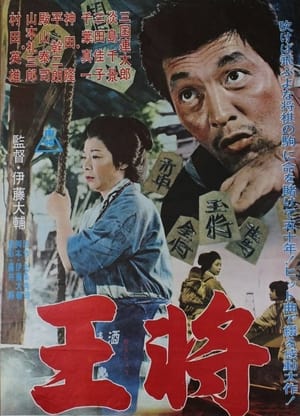
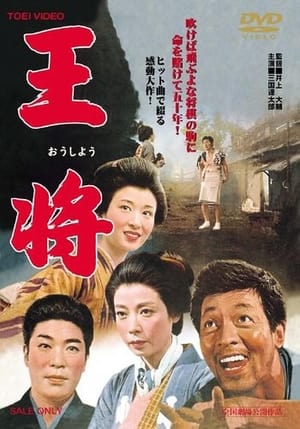
Shogi, a Japanese form of chess, is a game that requires skill and determination. When poor sandal-maker Sakata decides to pursue his dream of becoming the Shogi Grand Master Champion, everything is at stake – including his family. What will it cost for Sakata to follow his passion?
A woman, Tome, is born to a lower class family in Japan in 1918. The title refers to an insect, repeating its mistakes, as in an infinite circle. Imamura, with this metaphor, introduces the life of Tome, who keeps trying to change her poor life.
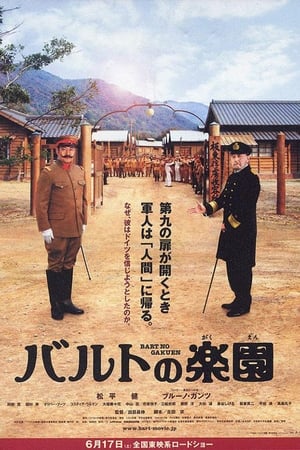
Based on the true story of the Bandō prisoner-of-war camp in World War I. It depicts the friendship of the German POWs with the director of the camp and local residents at the stage of Naruto, Tokushima Prefecture, in Japan.
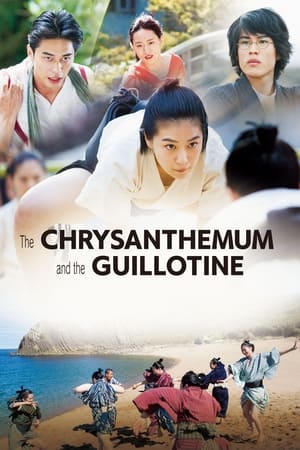
In the wake of the social unrest caused by the 1923 Great Kanto Earthquake, two female sumo athletes, Kiku and Tokachi, and an anarchist group called the Guillotine Society, spark an unlikely connection.
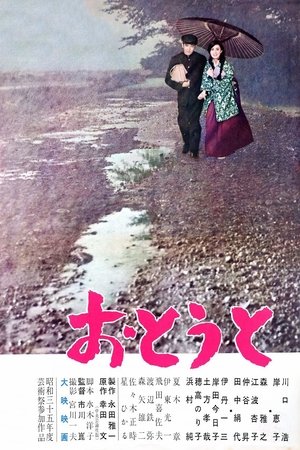
Set in 1926 when Japanese tradition was much stronger, this drama looks at the inner workings of a small family, especially the relationship between a sister and brother.
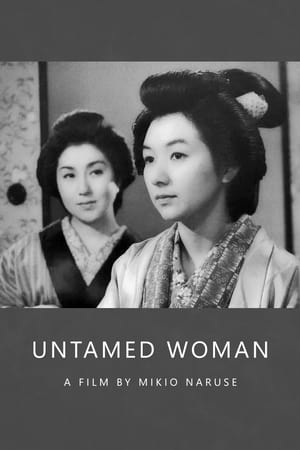
A woman marries, gives birth to a stillborn child, and divorces, falls in love with a hotel-keeper, only to find herself subordinated to his drive for success, takes up with a tailor who cannot console himself with her strong personality.
The film takes place at the junction of the two eras of Meiji and Taisho. Sakata Sankichi, an uneducated zori sandal maker, becomes a professional shogi player through his genius shogi skills and lives a fanatically devoted shogi game supported by the love of his family. This is the 3rd adaptation of Hideji Hojo's famous play.
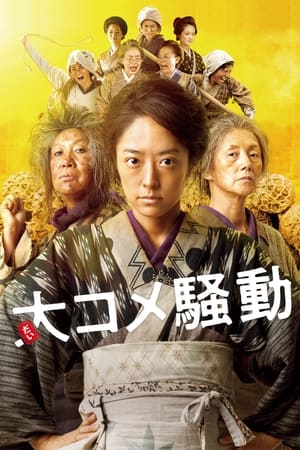
In August, 1918, Matsuura Ito lives in a coastal village of Toyama with her husband and three children. During the summer, there wasn't much fish to catch, so her husband has been far away from home to catch fish. To support herself and her children, Ito carries goods from ships like the other women in the village. Meanwhile, the residents encounter rising prices for rice. The women are unable to feed their family due to the high prices of rice. The women ask a nearby rice store to sell rice at lower prices, but it fails. The price of rice continues to rise daily. Due to an incident, Ito and the other village women step up to the plate.
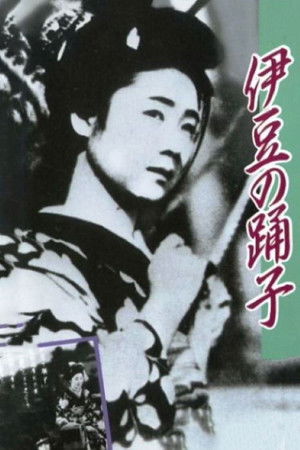
"The Dancing Girl of Izu" tells of the story between a young male student who is touring the Izu Peninsula and a family of traveling dancers he meets there, including their youngest girl. The student finds the naïve girl attractive even though he eventually has to part with the family after spending memorable time together.
When a lone traveller stumbles upon a remote, drought-stricken village, he finds himself engulfed in a whirlpool of myth, mystery, and magic: in a nearby pond reside spirits who hold the fate of the town’s inhabitants, including lovers Akira and Yuri, in their hands.
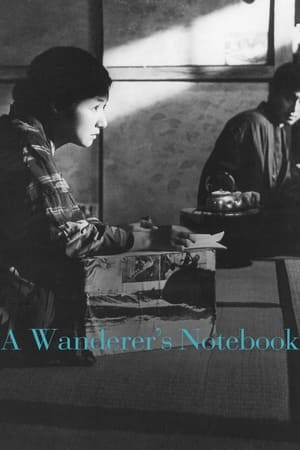
Based on the life and career of novelist Fumiko Hayashi, she bitterly struggles for literary recognition in the first half of the 20th-century – her affairs with feckless men, the jobs she took to survive (peddler, waitress, bar maid), and her arduous, often humiliating attempts to get published in a male-dominated culture.
Based on the first novel, Spring Snow, of Mishima Yukio's Sea of Fertility tetralogy, it follows the troubled and illicit affair between two youngsters amongst the aristocracy and rich of early twentieth century Japan.