From the director of “Made In America” and “The Money Pit” comes a hilarious look at one of the most expensive blunders in military history. Over 17 years and almost as many billion dollars have gone into devising the BFV (Bradley Fighting Vehicle). There's only one problem. . . it doesn't work. (Spoiler alert: 25 years later ... it does work.)
Chronicles of a male homosexual drug addict in 1980's in voice-over with long take scenes from Rome, television snippets of news of Gulf War and commercials.
A single female voice sings of waiting in her garden for her ‘dark-eyed sailor’ to return from war, bearing the other half of their token, a gimmel ring. Three veterans pass on the road as she waits, and she asks them: “When you were fighting in distant lands, did you think of the home you left?” In reply the veterans relate their recollections. The garden images in the accompanying film represent ‘home’, but also stand for a more general possibility of redemption, of the potential of the past to return at any time, disguised and changed, to renew the present: “Each moment of time is a garden gate,” the song goes, “Through it my love may walk.”
In Iraq 2003 Corporal Martin Webster filmed fellow soldiers beating Iraqi youths during rioting in Al Amara. Two years later, a British newspaper obtained his footage. The story that ran led to outrage across the world.
In honour of the 15th Anniversary of 9/11, National Geographic Channel is looking back at the very best reporting we have done since this world-changing tragedy first happened using extended excerpts from past specials that relate directly to events leading up to and following the attacks on New York City and Washington DC.
The second Gulf War from 1990 to 1991 represents in the collective Arab memory a turning point in regards to the Arab nationalism’s self-perception as well as a moment of deep historical and existential insecurity. Five Arab directors discuss the events from their personal perspective.
A group of CNN reporters venture to the Iraqi capital to cover the Gulf War.
About trauma, resilience and post-traumatic growth in the medics who served with Australia's special forces in Afghanistan. From losing mates in the battlefield to treating horrifically injured Afghan kids in remote surgical theatres.
When BA Flight 149 unwittingly landed in a warzone, its passengers and crew were taken hostage. Did the UK government allow it? And who were the mercenaries on board?
Journalist Maggie O’Kane returns to Iraq five years after Desert Storm to try to understand why she was not able to report the war freely and to investigate some of the stories which did not stand up.
An examination of the aftermath of Desert Storm and how servicemen and women were affected by it medically.
Combat in the Air - Close Air Support in the Gulf
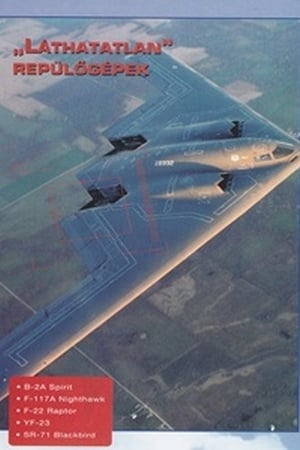
Combat in the Air - Stealth Warplanes
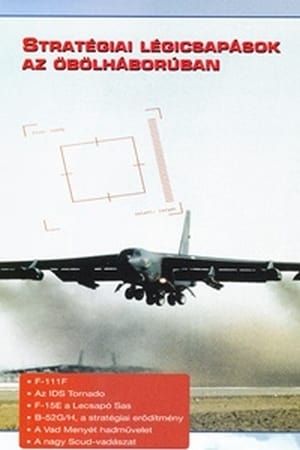
Combat in the Air - Strategic Air Power in the Gulf
Wings Over the Gulf: First Strike
Three years after taping his previous show in the Persian Gulf, Bob Hope returns to the front line to put on another USO Christmas extravaganza, this time in Saudi Arabia for US Troops preparing with other nations to expel Iraq's 1990 invasion and attempted annexation of Kuwait.
The story of the air war in the first Gulf War as described by generals Horner, Profitt, Tenoso, and Glosson.
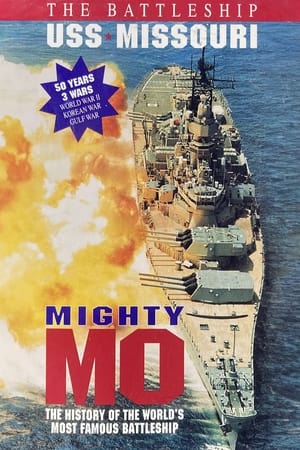
Explore the history of the world's most famous battleship, the USS Missouri, with this revealing documentary that chronicles the ship's distinguished career that spanned more than 50 years of service. Narrated by decorated Navy officer Wes Carey, this portrait combines archival film footage, photographs and personal accounts to paint a vivid picture of the celebrated ship, affectionately known as "Mighty Mo."
Everything you've ever wanted to know about Saddam Hussein (but were afraid to ask).
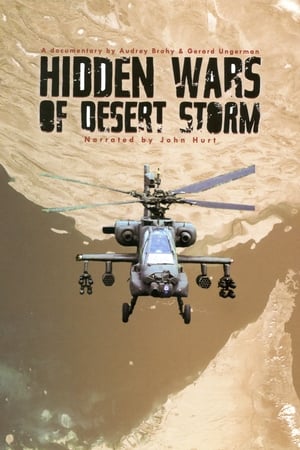
"Hidden Wars of Desert Storm" looks at the origins of the Gulf War crisis and challenges the official Western "party-line" view of a spontaneous crusade for "Freedom & Democracy". Instead, the documentary exposes the White House and US State Department's hidden agenda in the Gulf as well as the Pentagon's use of radioactive ammunitions made of uranium 238.