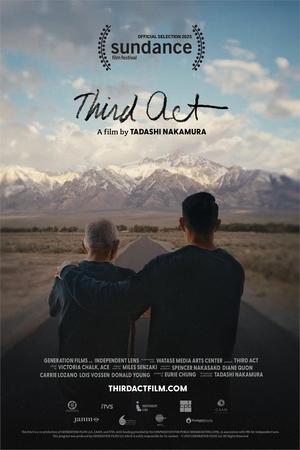
Filmmaker Tadashi explores his father Robert A. Nakamura's life as an influential Asian American artist and activist, while grappling with Robert's Parkinson's diagnosis, navigating themes of art, grief, and their father-son relationship.
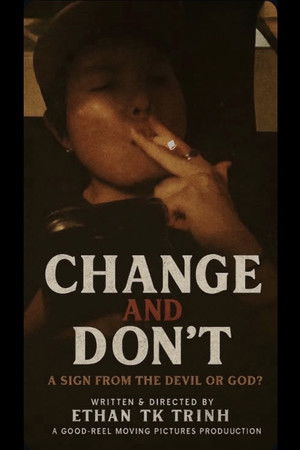
An intimate visual poem explores the delicate balance between change and stillness, inspired by Ethan TK Trinh’s 2025 poetry collection, “Change and Don’t.”
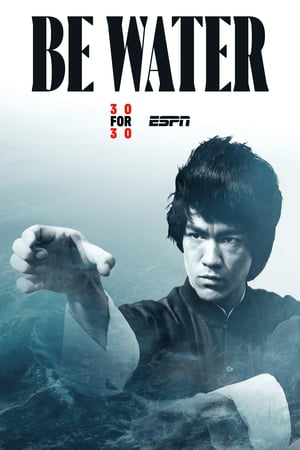
In 1971, after being rejected by Hollywood, Bruce Lee returned to his parents’ homeland of Hong Kong to complete four iconic films. Charting his struggles between two worlds, this portrait explores questions of identity and representation through the use of rare archival footage, interviews with loved ones and Bruce’s own writings.
Filmmaker Stephanie Wang-Breal sets out to cross the generational divide, confronting long-simmering tensions with her Chinese immigrant mother by literally becoming her. Dressing in her mom’s iconic St John Knit power suits and re-creating her 1980s local TV cooking show, Stephanie becomes Beta-Florence, a radical reinterpretation of Asian-American identity.
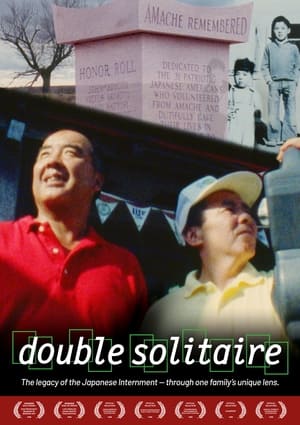
The filmmaker's father and uncle, Norm and Stan, are third generation Japanese Americans. They are "all American" guys who love bowling, cards and pinball. Placed in the Amache internment camp as children during World War II, they don't think the experience affected them that much. But in the course of navigating the maze of her father's and uncle's pursuits while simultaneously trying to inquire about their past, the filmmaker is able to find connections between their lives now and the history that was left behind.
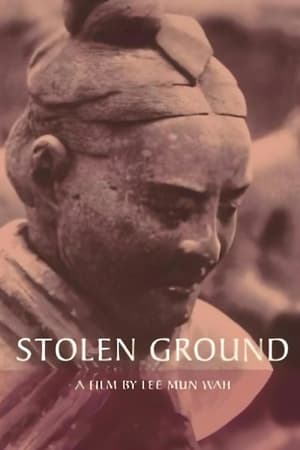
In US society, people of East Asian heritage are often perceived through an obscuring lens of ethnic and cultural stereotypes. In STOLEN GROUND, six Asian-American men talk about their experience of the highly racialized United States, and consider how racism has affected their lives and those of their family members.
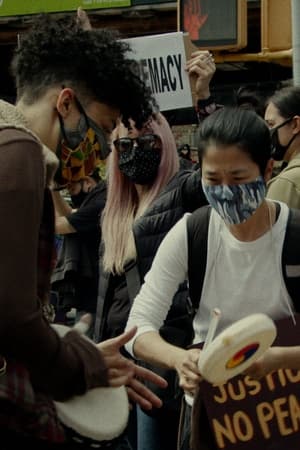
In the face of AAPI violence, an intergenerational coalition of Black, Indigenous, Latinx, Asian, People of Color organizers come together to organize a march across historic Washington Heights and Harlem, as a continuation of the historic and radical Black and Asian solidarity tradition.
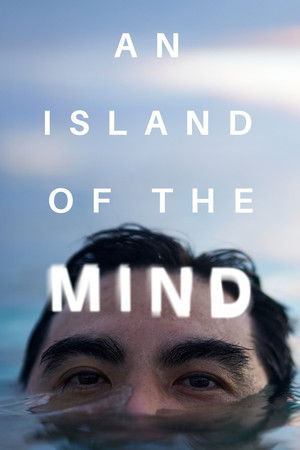
A homeless man with schizophrenia slowly embraces antipsychotic medication under Hawaii's only willing psychiatrist and a court mandate, while a man in recovery offers rare insight into mental illness as he fights to reclaim stability.
Feeling Asian American explores the emotional journeys of five individuals, who navigated their way through their own racial reckonings in the face of the COVID-19 pandemic. During the height of anti-Asian hate that not only continues to ripple out today, but also brings up echoes of the past, they found community, connection, and self.
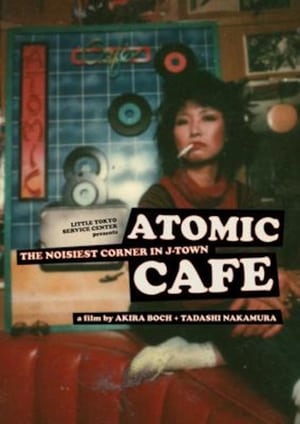
As L.A.'s punk rock scene exploded in the late 1970s, an unlikely family-owned restaurant in Little Tokyo became one of its most popular hang-outs.
Short documentary on the screen depiction and public reception of fictional Chinese-American detective character Charlie Chan, as well as cultural perceptions of Asians during the 1920s and 1930s.
A real-time portrait of 2020 unfolds as an Asian-American family in Trump’s rural America fights to keep their restaurant and American dream alive in the face of a pandemic, Neo-Nazis, and generational scars from the Cambodian Killing Fields.
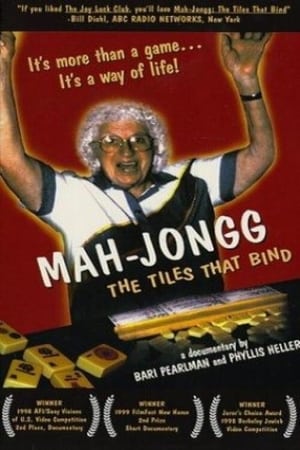
A light-hearted yet deeply moving portrait of the Asian- and Jewish-American women who play this centuries-old Chinese game, shedding light on the common and uncommon experiences of the players that simultaneously define and transcend cultural boundaries. Along the way, it proves again and again to be a bridge connecting seemingly unlike individuals, spanning generations, continents and cultures, and transcending classification as merely a game.
In 1916, twenty-year-old Marion Wong wrote and directed The Curse of Quon Gwon, the earliest example of an Asian American film. What initially appears to be a story about a Chinese family cursed for allowing Western influence through the door, proves to be an illuminating examination of cultural diaspora years ahead of its time.Sandwiched between two global pandemics, this documentary follows the Wong family descendents as they secure The Curse of Quon Gwon its place in film history and new revelations rise to the surface.
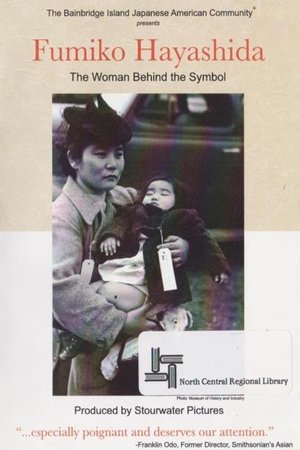
Fumiko Hayashida: The Woman Behind the Symbol is both a historical portrait of Fumiko, her family and the Bainbridge Island Japanese American community in the decades before World War II as well as a contemporary story which follows 97-year old Fumi and her daughter Natalie as they return to the site of the former Minidoka internment camp, their first trip back together in 63 years. The film reveals how the iconic photograph became the impetus for Fumiko to publicly lobby against the injustices of the past.
In "Caregiving: The Circle of Love," three caregivers discuss about the challenges of caregiving and how their Chinese American traditions play a role in caring for their loved ones.
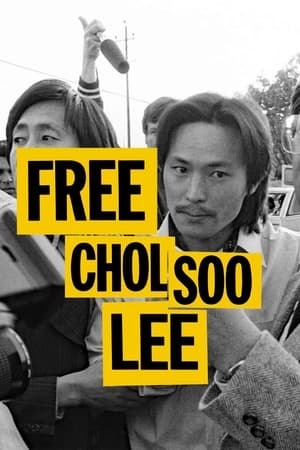
On June 3, 1973, a man was murdered in a busy intersection of San Francisco’s Chinatown as part of an ongoing gang war. Chol Soo Lee, a 20-year-old Korean immigrant who had previous run-ins with the law, was arrested and convicted based on flimsy evidence and the eyewitness accounts of white tourists who couldn’t distinguish between Asian features. Sentenced to life in prison, Chol Soo Lee would spend years fighting to survive behind bars before journalist K.W. Lee took an interest in his case. The intrepid reporter’s investigation would galvanize a first-of-its-kind pan-Asian American grassroots movement to fight for Chol Soo Lee’s freedom, ultimately inspiring a new generation of social justice activists.
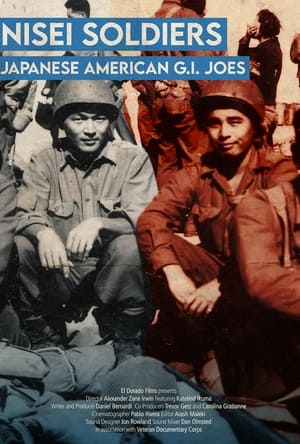
Leaving internment camps to defend their country in Europe, Japanese-American Nisei soldiers of WWII became the most decorated unit in American history.
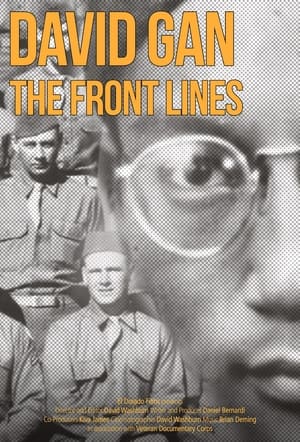
A young David Gan joins the WWII effort, eager to serve his country. Feelings of exclusion as a Chinese-American disappear in the Army. After experiencing the loss of so many fallen comrades, David dedicates his life to those who never came home.
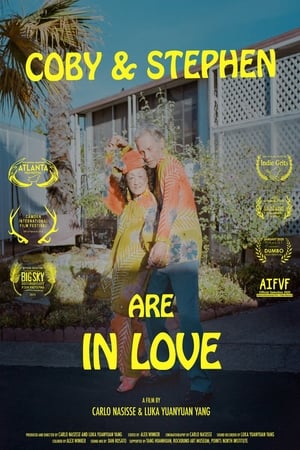
Through handmade outfits and dancing, Coby, a 93 year old retired Chinatown nightclub performer, and Stephen, an artist twenty years her junior, find unlikely love, despite dissimilarities in culture and age. As their last performance in Las Vegas approaches, Coby and Stephen prepare a final routine.