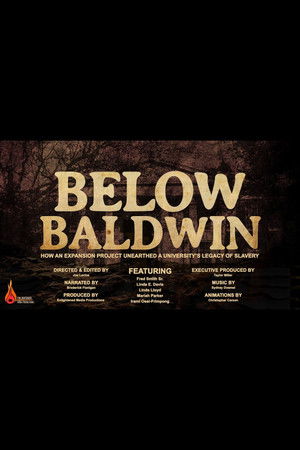
On November 17, 2015, construction on Baldwin Hall on the University of Georgia campus came to a halt when workers uncovered human remains on the site. DNA tests revealed what many local residents already knew to be true: these were the remains of formerly enslaved people. This uncovering and the events that followed have forced the often-omitted histories of slavery and segregation to rise to the surface, both at the University of Georgia and in Athens. “Below Baldwin”, featuring Fred Smith, Linda Davis, Alvin Sheats, Linda Lloyd, Mariah Parker, Broderick Flanigan, and others, chronicles the series of events between November 2015 and December 2019. But more than that - this documentary showcases a community’s persistent efforts to connect to its past and to win recognition and redress – for both past and present injustices.
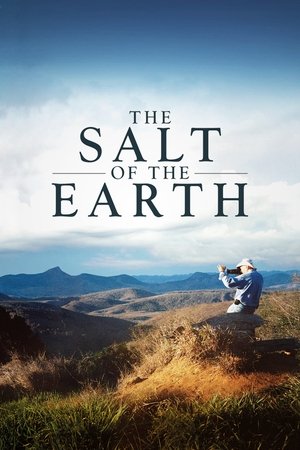
During the last forty years, the photographer Sebastião Salgado has been travelling through the continents, in the footsteps of an ever-changing humanity. He has witnessed the major events of our recent history: international conflicts, starvations and exodus… He is now embarking on the discovery of pristine territories, of the wild fauna and flora, of grandiose landscapes: a huge photographic project which is a tribute to the planet's beauty. Salgado's life and work are revealed to us by his son, Juliano, who went with him during his last journeys, and by Wim Wenders, a photographer himself.
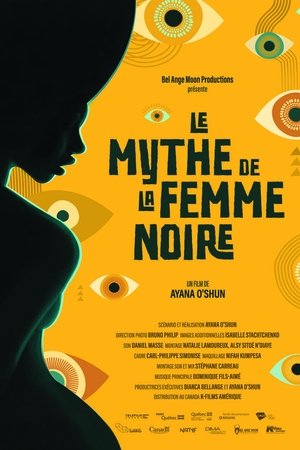
The Myth of the Black Woman is a feature-length documentary that examines the imagery of black women in the media, from the 18th century black slave to Michelle Obama. It is an investigation into how stereotypes originate from slavery and still affect the lives of black women in Quebec. These stereotypes include Jezebel (the seductress, the femme fatale); Mammie (the obese woman, the asexual mother figure) and Sapphire (the angry, ambitious and arrogant black woman). This story will be told by black women on whom stereotypes have a high impact, through interviews with fascinating experts, and through archival footage from centuries past to the present.
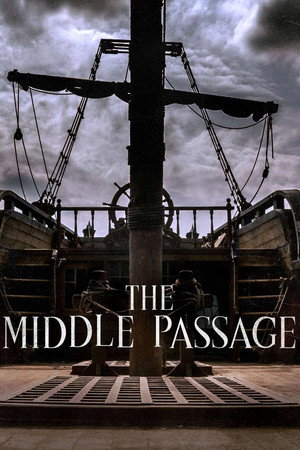
"Explores the 400-year era of the transatlantic slave trade, when millions of Africans were kidnapped and shipped to the Americas. Features interviews with scholars, oral histories and a dramatic recreation of the Middle Passage" (The History Channel).
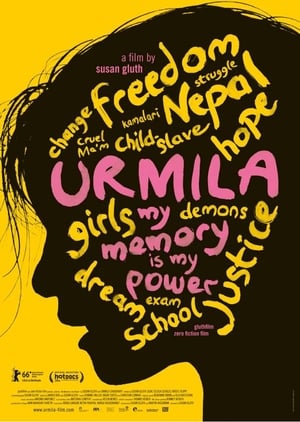
The film tells the story of 25-year-old Urmila Chaudary from Nepal. At the age of six she was sold by her family and was forced to work as a slave under appalling conditions for 12 years. Her dream is to end child slavery in Nepal. To this end she fights today as a freedom activist. A film about the quest for justice with a strength that gives courage and hope.
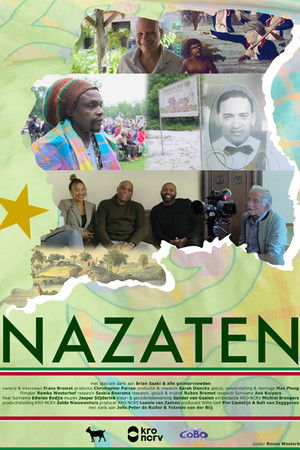
Frans Bromet goes in search of his family history and discovers that Hermanus Bromet was a well-known slave trader in Suriname. Should he feel guilty for what his ancestor did? How do you deal with a burdened family past?
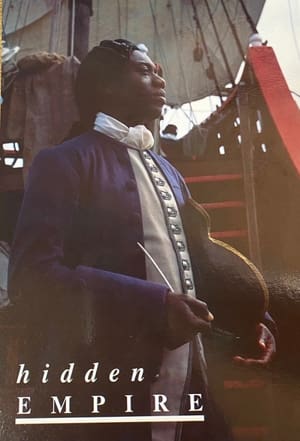
A documentary following the life of Olaudah Equiano, based on his autobiography "The Interesting Narration of the Life of Olaudah Equiano, or Gustavus Vassa the African".
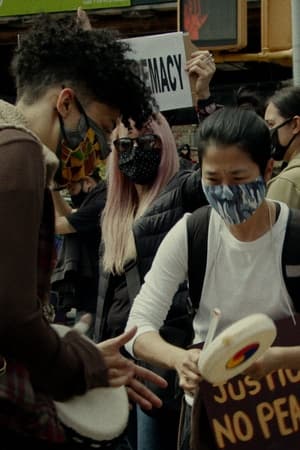
In the face of AAPI violence, an intergenerational coalition of Black, Indigenous, Latinx, Asian, People of Color organizers come together to organize a march across historic Washington Heights and Harlem, as a continuation of the historic and radical Black and Asian solidarity tradition.
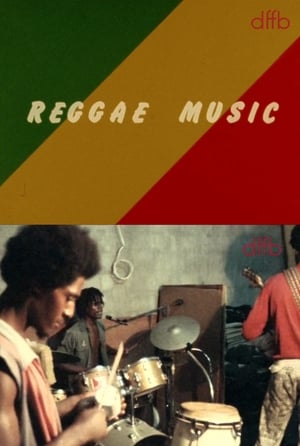
Documentary about reggae in Jamaica and its history. Filmed in 1979.
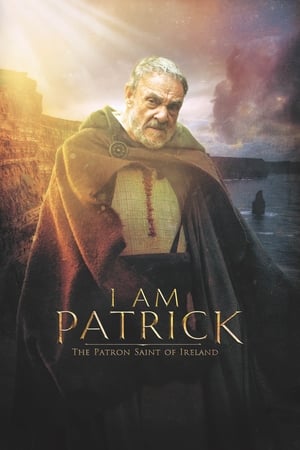
Peels back centuries of legend and myth to tell the story of Saint Patrick through historical reenactments, expert interviews and Patrick’s own writings, tracing his journey from man to saint. https://www.youtube.com/watch?v=i95AQhvtzsA
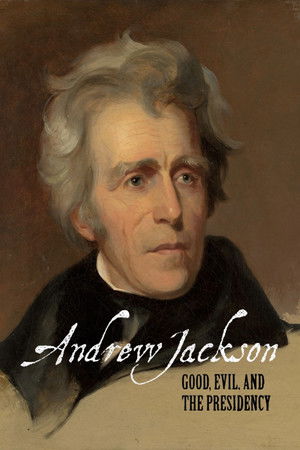
A fascinating account of the presidency of Andrew Jackson, who was both one of America's great presidents and a borderline tyrant. The seventh president shook up the glossy world of Washington, DC with his "common-man" methods and ideals, but also oversaw one of the most controversial events in American history: the forced removal of Indian tribes, including the Cherokees, from their homes.
Directed by Elio Suhamy.
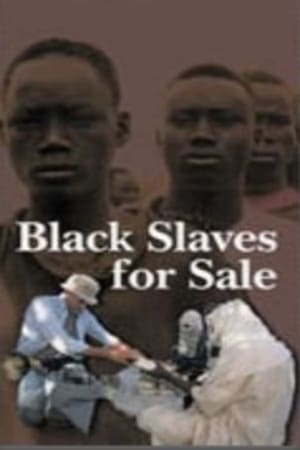
Slavery has always been part of Sudan's history, but in recent years it has become a new means in Sudanese warfare. Focuses on the moral dilemma aid organisations are faced with in Southern Sudan. For more then 17 years Africa's largest country is crippled by civil war between the Islamic North and the Christian-animistic South. Over 2 million people died during this conflict. One of its horrible consequences is the revival of slavery. Slavery has always been part of Sudan's history, but in recent years it has become a new means in Sudanese warfare.
BBC News Arabic's undercover investigation exposes the people in Kuwait breaking local and international laws on modern slavery, including a woman offering a child for sale. At the centre of this powerful investigative film is Fatou, a 16 year old in Kuwait City who has been there for nine months. We follow her rescue and journey back home to Guinea, West Africa and ask: what's being done to control the apps promoted on Google, Apple and Facebook-owned Instagram?
Tilburg artist Tommy van der Loo searches for the influence of superiority thinking, racism and colour in his life. Van der Loo is an emerging artist and his work has been purchased by Boijmans van Beuningen in Rotterdam. He also had an exhibition at the Kunsthal. He also made the memorial for the abolition of slavery in Eindhoven. He has had multiple experiences with discrimination and incorporates that into his sculptures. Identity and image formation are important to him: How do you look at others, how do others look at you. The search is the inspiration for his new sculpture.
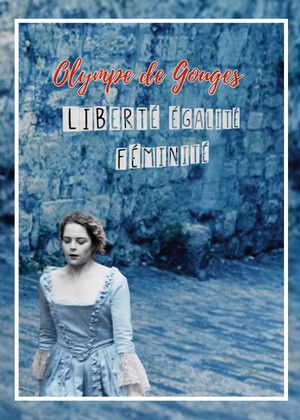
Olympe de Gouges : Liberté, égalité, féminité
A documentary filmmaker travels to Bolivia to learn more about his father and his family's history.
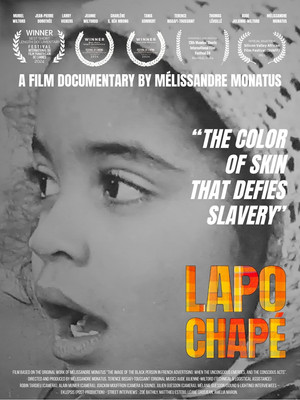
The term "Lapo Chapé", derived from Martinican Creole, means "the skin color that escapes the status of a slave." This documentary thus explores the themes of skin color and mixed heritage from a unique perspective, through a series of testimonies that shed light on the invisible influences of history. These influences have shaped our social representations and continue to challenge our perceptions of identity today.
This is the true story of Fetim Salam, a Saharawi refugee falsely portrayed as a slave in the Australian documentary 'Stolen'. Australian filmmakers, Violeta Ayala and Daniel Fallshaw, travel to the Saharawi refugee camps in Tindouf, Algeria in 2007 and claim to discover 20,000 slaves in the camps run by the independence movement Polisario Front. Refugees are outraged for being portrayed as slaves, and humanitarian aid workers are incredulous about these allegations as they know the camps intimately. Filmmaker Carlos Gonzalez retraces their steps in search of the truth and finds a web of lies, misinformation and Moroccan operatives reshaping the truth.
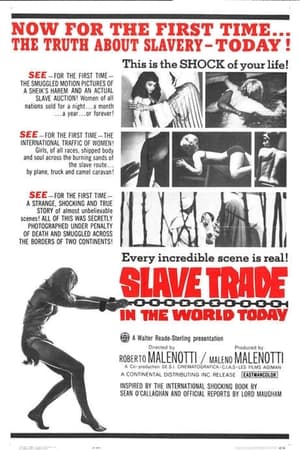
The film documents modern slave trade through a number of African countries, under dictatorship rule. The filming was conducted both in public places, and sometimes with the use of hidden cameras, for high impact scenes of nudity, sex, and violence - and a few surprises, as slaves made out of peregrins to Asia, and slave traders paid in traveller checks.