Hans Teeuwen, Gummbah en Pieter Bouwman: Poelmo, Slaaf van het Zuiden
The Worth Family has been divided for years but when the matriarch, Grandma Mabel, dies suddenly, the family has to come together. The story of Family Squares takes the Worth Family on a journey discovering that not only did Grandma Mabel keep some secrets, so did everyone else. They find their way back to each other and realize that while you can’t choose your family, you can choose to be friends with them.
Registration of the theatreprogram by the Dutch comedian Lenette van Dongen. A show about getting older. She is unabashedly honest about her lessons in aging and the wisdom that comes with it.
Mind you is the fourth theater of the Dutch comedian Hans Teeuwen. He performed the show in 2001. The last show was filmed in 2002 and aired on television, the same year that the show on CD and DVD published. It's Teeuwen's most famous and most frequently quoted show. He takes everything on the heel, including racism, blacks, world religions, AIDS patients, women, Jostiband and the Queen of the Netherlands.
Registration of the sixt theatre program by the Dutch comedian Theo Maassen.
Destressing? Do that at home, will you! In 'Adéhadé', everything goes in overdrive, with many Dutch celebrity impressions.
Maassen won two of the biggest comedy contests in the Netherlands in 1990, the Groninger Studenten Cabaret Festival(GSCF), and Cameretten. The GSCF jury was not pleased with the quality of the contestants that year, and gave Maassen the first prize, remarking he was the best of the year, but still not very good. In the following years, however, Maassen fame grew steadily, especially amongst students. Maassens style was based on stand-up comedy: Alone on stage, telling jokes and stories to amuse the public, without any musical support (a thing common for most Dutch comedians up to that point).
Maassen won two of the biggest comedy contests in the Netherlands in 1990, the Groninger Studenten Cabaret Festival(GSCF), and Cameretten. The GSCF jury was not pleased with the quality of the contestants that year, and gave Maassen the first prize, remarking he was the best of the year, but still not very good. In the following years, however, Maassen fame grew steadily, especially amongst students. Maassens style was based on stand-up comedy: Alone on stage, telling jokes and stories to amuse the public, without any musical support (a thing common for most Dutch comedians up to that point). Since 2000, Maassens shows are shown on Dutch national television, making him more and more a household name.
In his third theatre program the Dutch comedian Hans Teeuwen plays with empty wine bottles, little girls and himself. Poetic, absurd, false and genuine.
The perfect way to get acquainted with Philippe Geubels' infectious humor or to relive a wonderful evening of live stand-up comedy.
In this comedy show the Dutch comedian Katinka Polderman explains (in songs and stories) how her motherhood influenced her view of the relationship between humans and animals.
Because Urbanus does all kinds of pranks, he has to go to an improvement institution. There, Dr. Schrikmerg uses him as a guinea pig for his new invention: he makes a sort of robot from Urbanus.
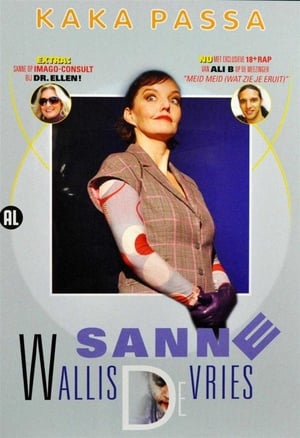
Registration of the first theatre show by the Dutch comedian Sanne Wallis de Vries.
Jurk!: Glitterjurk
Upon the announcement of another UK national lockdown, Flo and Rob find themselves stuck in their house in London. Meanwhile, Flo tries to maintain a brand-new relationship with Evelyn, who had to abruptly leave to her hometown in Mexico.
Registration of the fourth theatre program by the Dutch comedian Theo Maassen.
Javier Guzman: Deelt Uit I
The brothers Gé and Arie Temnes return to the home where they used to live as teenagers during WWII. Arie talks about the role that he played in the resistance movement.
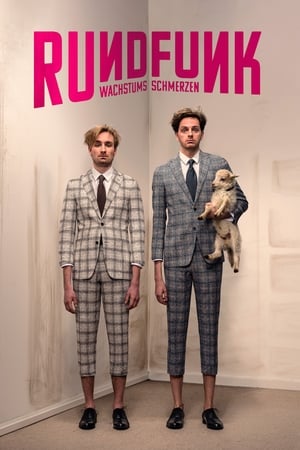
An absurdist theatre piece by Dutch comedy duo Rundfunk. A collection of original sketches and songs.
Stage registration of the second comedy special by the Dutch comedian Micha Wertheim. This performance takes place in a dream, a dream in which Micha Wertheim shares all kinds of confessions, for example about how he manages to cope with the knowledge that he is probably not a real genius.