By mid-1945, Hitler is dead and the war has ended in Europe. Halfway around the world, however, the fighting is still going strong on a small island in the Pacific. Okinawa was the site of the last battle of the last great war of the 20th century, with a casualty rate in the tens of thousands. Through it all, military cameramen risked their lives to film the conflict, from brutal land combat to fierce kamikaze attacks at sea. See the footage they captured and experience this intense battle the way the soldiers saw it -- in color.
An inspiring short film that celebrates the universal language of skiing as a catalyst for human connection. Featuring men and women skiers from Norway, France, Switzerland, Canada, the Netherlands, and Japan, this story serves as a reminder that sometimes the most profound communication occurs when words are not needed at all. From bottomless pow turns in majestic Japanese forests to the high volcanic alpine of central Hokkaido, Lexicon reminds us of the transformative power of adventure, cultural exchange, and the bonds we can create when we embrace our shared passions and the inherent joy of connecting with people from different walks of life.
Using never-before-seen footage, Japan's War In Colour tells a previously untold story. It recounts the history of the Second World War from a Japanese perspective, combining original colour film with letters and diaries written by Japanese people. It tells the story of a nation at war from the diverse perspectives of those who lived through it: the leaders and the ordinary people, the oppressors and the victims, the guilty and the innocent. Until recently, it was believed that no colour film of Japan existed prior to 1945. But specialist research has now unearthed a remarkable colour record from as early as the 1930s. For eight years the Japanese fought what they believed was a Holy War that became a fight to the death. Japan's War In Colour shows how militarism took hold of the Japanese people; describes why Japan felt compelled to attack the West; explains what drove the Japanese to resist the Allies for so long; and, finally, reveals how they dealt with the shame of defeat.
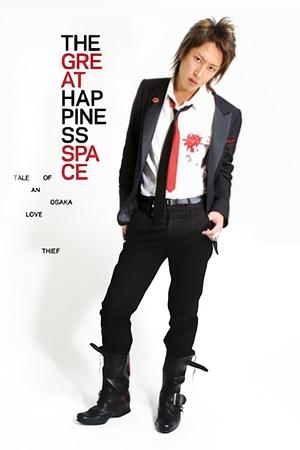
Welcome to The Great Happiness Space: Rakkyo Café. The club's owner, Issei (22), has a staff of twenty boys all under his training to become the top escorts of Osaka's underground love scene. During their training, they learn how to dress, how to talk, how to walk, and most importantly, how to fake relationships with the girls who become their source of income. Join us as Osaka's number one host boy takes us on a journey through the complex and heartrenching world of love for sale in the Japanese underground.
Matsuko Deluxe explores the seemingly familiar yet overlooked facets of Japanese culture through real-life experiences.
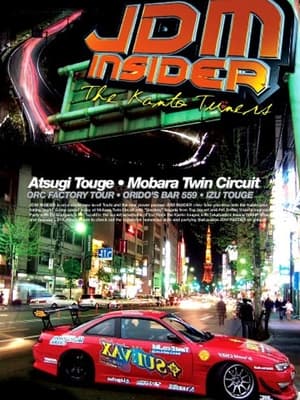
An in-depth look at the world of Japanese street racing.
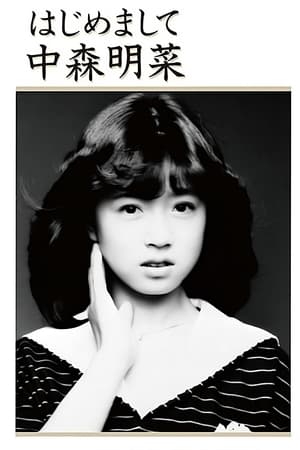
Akina Nakamori's second video work "Hajimemashite" consists of 12 songs (including three singles "Slow Motion," "Girl A," and "Second Love") from her debut year (1982), filmed at Santa Monica Beach in Los Angeles and other locations where Akina Nakamori visited to record and interview for "Slow Motion" from March 11 to 17, 1982, just before her debut. It also includes the recording of her debut song "Slow Motion," and is full of valuable memorial footage from before her debut!
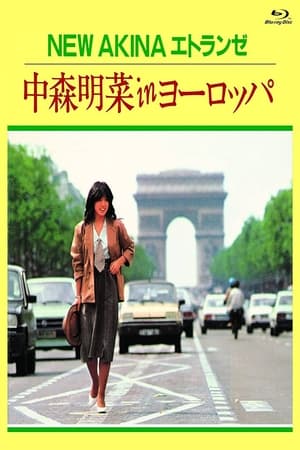
NEW AKINA Étranger Akina Nakamori in Europe is the first video release released by Nakamori Akina. It was released on October 12, 1983.
The image of “snow monkeys” submerged in a hot spring as snow falls around them is iconic. These are Japanese macaques, the northernmost population of monkeys in the world. Highly adaptable, they are the only primates to inhabit environments that range from low coastal plains to mountainous areas 3,000 meters above sea level, with temperatures that can drop to -30 degrees Celsius. How is this single species of macaque able to thrive in such widely diverse habitats? Shot in beautiful 4K UHD, the cameras travel through Japan to capture unique monkey groups displaying different localized food habits, including a world-first footage of monkeys catching live fish as well as how such new behaviors spread among individuals in the pack.
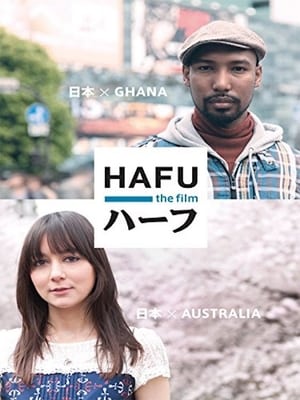
A journey into the intricacies of mixed-race Japanese and their multicultural experiences in modern day Japan. For some hafus, Japan is the only home they know, for some living in Japan is an entirely new experience, and the others are caught somewhere between two different worlds.
An independently produced documentary about growing up as a blind youth in 1960's Japan. It focuses on a group of elementary level students being taught by Mr. Kawai at the Zoshigaya Branch of Tokyo Educational University. Filmed over 12 years, the documentary tracks these student's lives up through their young adulthood. It follows the journey of one student in particular, Kiyoshi Hasegawa, a young boy who eventually learns a passion for music and wants to become a recording artist. Expanded from director Hideo Hamada's documentary short "But We Can Gaze!"
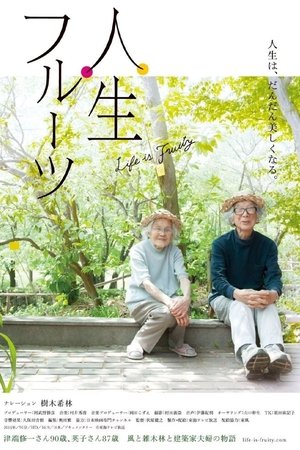
90-year-old architect Shuichi Tsubata and his 87-year-old wife Hideko live in Aichi Prefecture. Their garden is bursting with 70 types of vegetables and 50 types of fruits, and they live in harmony with nature.
Documentary about and with the Japanese electronic composer and artist Merzbow.
Nagasaki - Warum fiel die zweite Bombe?
Director Miho Niikura examines the modern practice of tee (Okinawan karate), and its attractiveness to Westerners—some of whom travel thousands of miles to study the venerable martial art in its birthplace, Okinawa.
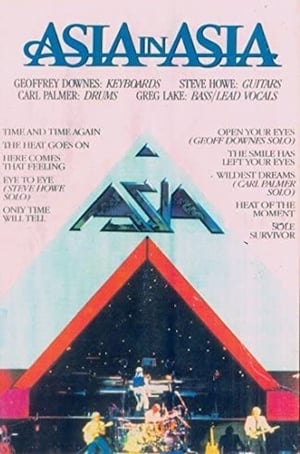
A recording of Asia's highly publicized concert at the Budokan in Japan. Songs performed include "Time and Time Again," "The Heat Goes On," and "Here Comes That Feeling."
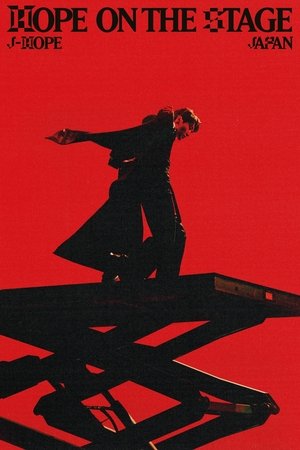
j-hope's debut world tour "HOPE ON THE STAGE" concludes with a live cinema broadcast. Watch him perform hits from his solo albums and new releases across a spectacular 31-show run through Asia and North America.
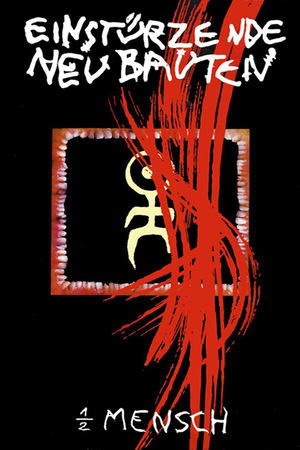
A visual documentary of Einstürzende Neubauten, the German underground band, by Japanese cult director Sogo Ishii, made during their 1985 tour of Japan. The band makes an elaborate and remarkably choreographed appearance in the ruins of an old ironworks which was scheduled for demolition; footage of same was incorporated into the movie and a brief appearance on stage.
30 years of the band, 30 years of Japanese rock. The story of passion toward the band and music.
Ono plays video games and dreams of directing porn. As a young porn actor he was known as a “juice” man for his ability to produce photogenic amounts of seminal fluid on cue. That would be quite enough success for most young men, but like so many actors before him, Ono is earnest in his desire to direct. Tonight he will get chance on Japan’s notorious Paradise TV, an insane 24 hour-a-day sex channel on Tokyo television. Honeymoon is a documentary on life behind the scenes at Paradise TV, where the realms of capitalism, culture and commerce intertwine. Slovenian director Dražen Štader and his cameras are provided rare access to the inner workings and politics of this strange sex business.