A short film about ties and gaps between a child and a parent. The author rediscovers letters her dad used to write her from prison. That love seems to be gone now. She decides to write back in hope to find the connection again. She puts in writing what could not be said: blaming him for family´s break-up but also trying to understand.
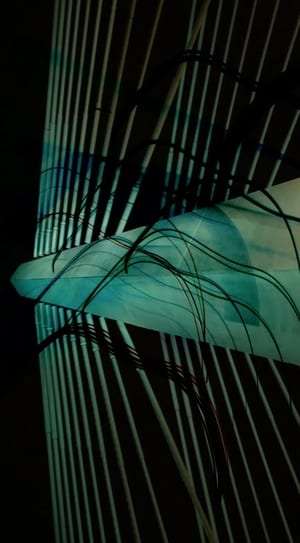
The title of this video, taken from the texts of the architect Kengo Kuma, suggests a way of looking at everything as “interconnected and intertwined” - such as the historical and the present and the tool and the artifact. Images and representations of two structures in the Portland Metropolitan Area that have direct and complicated connections to the Chinookan people who inhabit(ed) the land are woven with audio tapes of one of the last speakers of chinuk wawa, the Chinookan creole. These localities of matter resist their reduction into objects, and call anew for space and time given to wandering as a deliberate act, and the empowerment of shared utility.
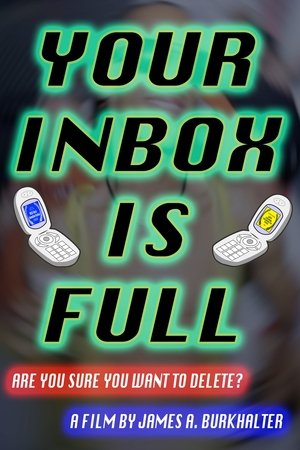
The 3rd installment in James A. Burkhalter's QUEER ROOTS trilogy: After years of his mother begging him to do it, James decides to finally review and erase 10 years' worth of phone messages. It tells the story of James' "roaring twenties," constructed solely through the voices of friends, family, and lovers.
is an experimental short film about information overload.
Someone dreams of falling from a building.
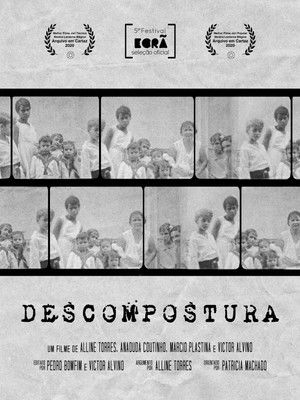
Discomposure is an experimental movie made of moving images of women, while they worked and were filmed under an aesthetic of fracture. Her bodies were positioned by the white middle classes men's eyes as if they were parts that served like props, support, and of spectators of lives which depended on these women. The movie disorganized this visual aesthetic. It did to see that, between who was filming and those entered, marginally, the scene, there was the black female look that stared at the camera, as an affront, so showing affirmation, contestation, and constraint.
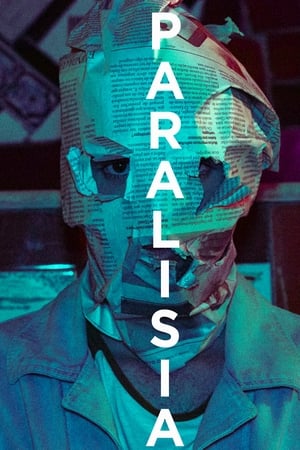
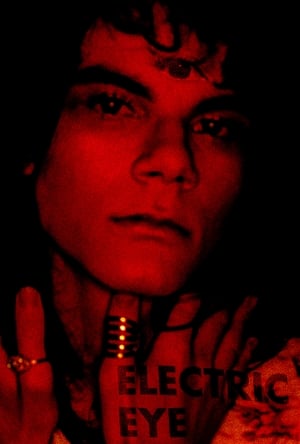
An experimental short film, shot during the COVID-19 pandemic, made by one person. Using recorded scenes and archival footage, the short presents an unorthodox narrative to explore the themes of self-identification, identity, gender expression and androgyny.
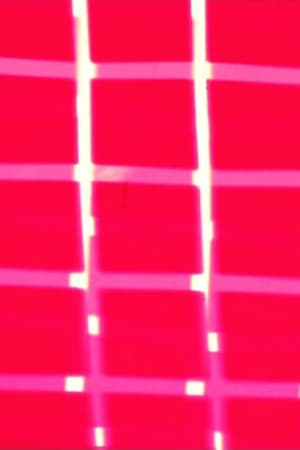
The screen is divided again and again until the picture arranged in ever changing strips bursts into whirring dynamic.
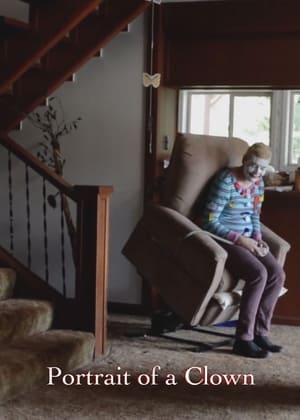
A portrait of the performance artists in colorful clothes and painted faces whom have transitioned from a symbol for joy and laughter, to horror and terror, to melancholy and sadness.
“Both NEW YORK LOFT and DOLL HOUSE convey a strong sense of resourcefulness, this ‘making something’ out of interiors, specifically domestic spaces. And domestic they are, in an avant-garde sort of way. The filmmaker gives plentiful evidence of arranging things, moving them, adjusting, placing and re-placing. First are poles and sticks found; second is fabric, sheets, pillows; in a third section we see round things. Circular magnets, machine parts, film cans and the like eventually become visually paralleled with the camera lens itself. The lens is seen as Barbara films into a round mirror. How different are the visions of this woman-with-a-movie-camera from Vertov of sixty years ago! Each extols the camera-eye, but Hammer replaces Vertov’s sociopolitical kino-truths with adventures in domestic space.” – Claudia Gorbman, Jump Cut
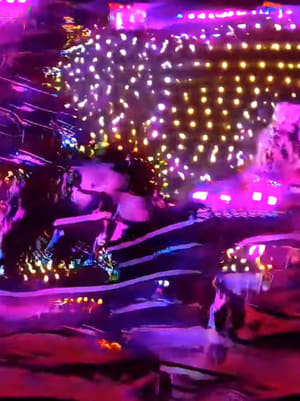
Emergence Collapse, the collaborative project of Berlin-based artist and filmmaker Rainer Kohlberger and Viennese electronic music producer Jung An Tagen is nearly beyond description (and perception): An assault on the senses that is at once euphoric and harrowing, at once completely alien and uncannily evocative, their work is perhaps the perfect artistic manifestation of existential angst. Jung An Tagens frighteningly frenetic and earsplitting dissonance is complimented perfectly by Rainer Kohlbergers constantly evolving, neon-tinged visual freak-out. The result is relentless and painfully overwhelming, but like a horror movie, Emergence Collapse demands – and ultimately rewards – your attention.
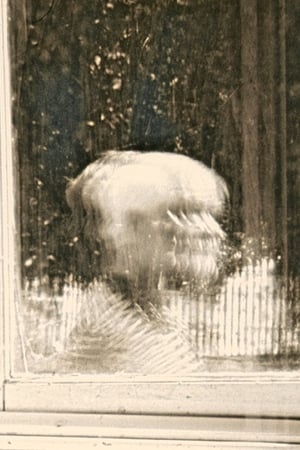
A series of cinematic portraits shot in domestic spaces in a former gold mining town in New Zealand expand into a tapestry of glistening natural light and vaporous movement, created via a painstaking process of in-camera layering effects.
Using century old technology, PXXXL creates digital glitch from analog process. It was animated directly on the celluloid without a camera, in a darkroom, using lights, objects, and handmade lenses. There is no digital manipulation involved-- just light, celluloid, and processing.
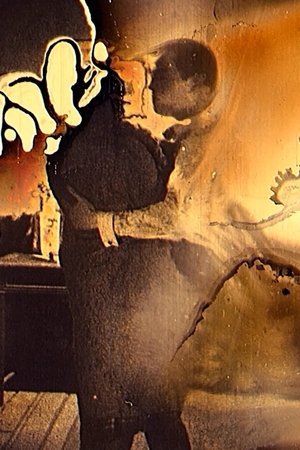
Bill Morrison’s experimental short features decayed film reels from the lost, German silent film Pawns of Passion (1928).
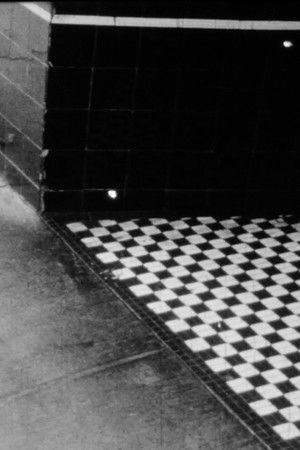
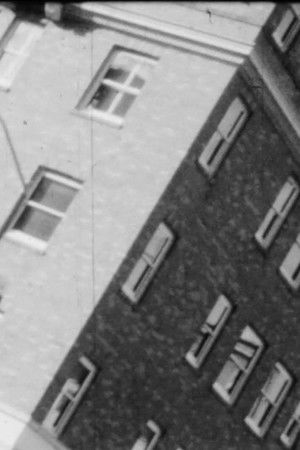
"As a painter carries a sketchbook and practices drawing, I carried a Super 8 camera and shot frame by frame, as an everyday exercise to make animations of lines and shapes found in the public space. The entire film was edited in camera and hand-processed afterwards." (Tomonari Nishikawa)
"The second film in the series, showing my study especially in apparent shapes – a shape that cannot be seen in a single frame but only through a series of consecutive frames when projected. It was edited in camera and hand-processed afterwards." (Tomonari Nishikawa)
"The third film in the series, which starts with a sequence of paired images: a focused image and a blurred image of the same subject, which was caused by a diagonal camera movement. Later, it shows an experiment to produce an apparent depth by rotating an apparent shape. It was edited in camera and hand-processed afterwards." (Tomonari Nishikawa)
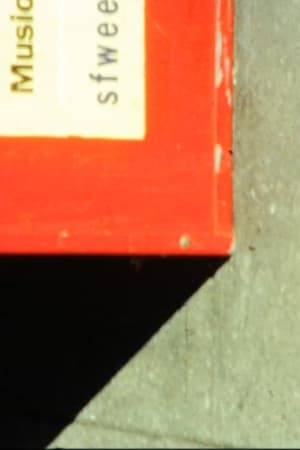
"The fourth film in the series, for which I focused on colors and shapes. It was shot on Kodachrome, all edited in camera, and processed at Dwayne’s Photo." (Tomonari Nishikawa)
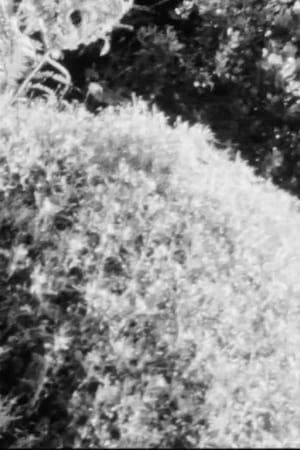
"This is the last film in the series. I shot at the site of Marin Headlands County in California when I was an artist in residence at the Headlands Center for the Art. The footage shows the nature in the area, as well as the historic buildings originally built for the US Army, including batteries and the Nike Missile Site. It was all edited in camera and hand-processed afterwards." (Tomonari Nishikawa)
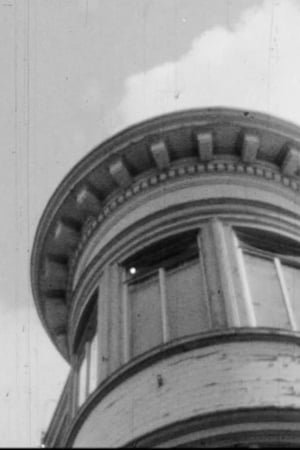
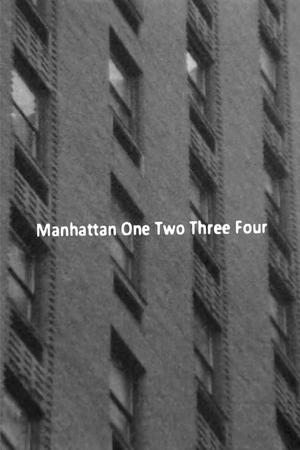
"A study in visual rhythm with images of architecture in Manhattan, New York, using the technique I did for the first sequence in Sketch Film #3. All edited in-camera and hand-processed afterwards. This film was commissioned by Echo Park Film Center for the celebration of its 12th anniversary." (Tomonari Nishikawa)