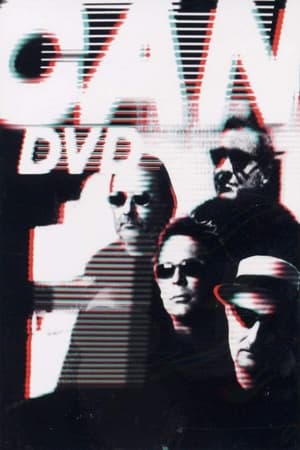
The late-'60s avant garde rock band CAN gets a feature-length tribute with this affectionate documentary chronicling its odd inception and subsequent career. In CAN -- The Documentary, the remaining band members are interviewed amidst culled together archival footage from talk shows, concerts, and television appearances to paint a portrait of a band who always remained happily on the sidelines of mass appeal, mixing street music, jazz, folk, and rock into a sometimes poppy, sometimes abstract stew. The band's influence on such seminal acts as Sonic Youth and Talking Heads is also analyzed.
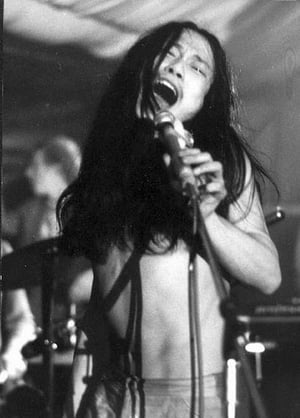
1993 recording of band Les Rallizes Dénudés performing at the Baus Theater.
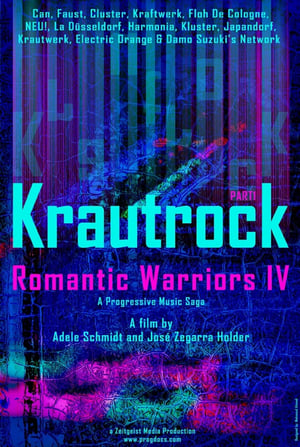
The fourth in a series of feature-length documentaries about Progressive rock written and directed by Adele Schmidt and José Zegarra Holder. Krautrock, Part 1 focuses on German progressive rock, popularly known as Krautrock, from in and around the Cologne, Düsseldorf, and Hamburg regions of Germany. Artist featured include Kraftwerk, Neu, Can, Faust and others.
The experimental German krautrockers CAN's legendary "Free Concert," recorded in Cologne's Sporthalle, Germany, on February 3, 1972. The circumstances of this Cologne show were unusual. Rather improbably for such an experimental band, Can actually scored a chart success in Germany with "Spoon," which would later be tacked onto the end of Ege Bamyasi.
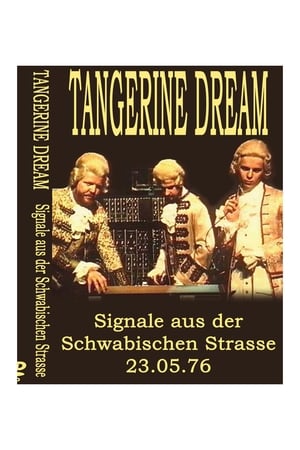
German TV film, also shown on Spanish TV in 1976, this is a film all about TD which includes informal interviews and concert/studio footage, most of which seems to have been done exclusively for the film. The interviews are in the German language. The street name in the title refers to where Edgar Froese used to live in Berlin (apparently Klaus Schulze lived on the same street at the time) and is now the site of the TDI offices.
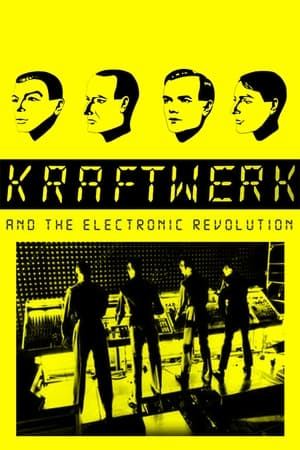
Kraftwerk's vision of a keyboard-driven world of clicking metronomic rhythms and digitised sound bites may have been the stuff of avant fantasy in the 1970s (the decade that saw the band's first groundbreaking albums), but it is a reality in the new millennium. Their visionary style is explored in KRAFTWERK AND THE ELECTRONIC REVOLUTION, a study of the group, their career and their emergence as the most influential electronic band in the world.
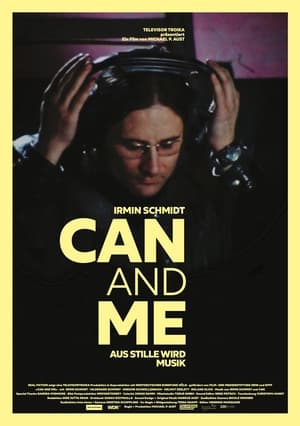
In 1968, musician Irmin Schmidt and friends founded the avant-garde band "Can", which achieved worldwide fame. Schmidt also made a name for himself as a composer for films by Wim Wenders. In this documentary, the charismatic sound tinkerer looks back on his life and career.
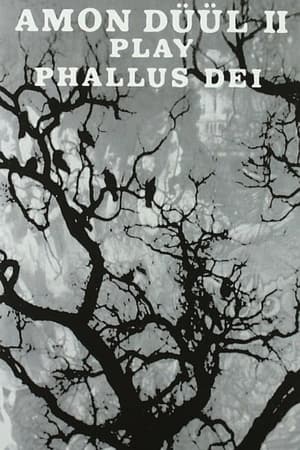
Directed by German filmmaker Rüdiger Nüchtern, this behind-the-scenes rock documentary captures Amon Düül II, as the progressive rockers record their debut album, "Phallus Dei," in a Munich recording studio in 1968. Blending performance footage with a collection of psychedelic nature clips, Nüchtern's meditative film captures the true essence of the legendary krautrock collective. The movie premiered at the Edinburgh Film Festival.
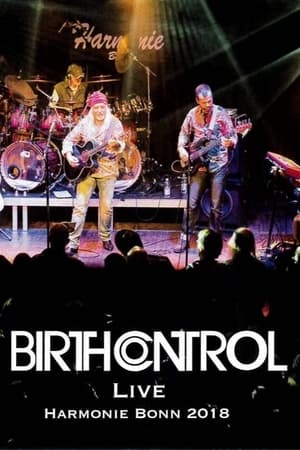
Live performance of the prog legends Birth Control. The concert recording contains new material, but also well-known classics, handmade grooves, interesting harmonies, burning solos and soulful rock vocals in front of an enthusiastic audience.
Romantic Warriors IV: Krautrock (Part 2) is the 2nd film of the Krautrock Trilogy, and explores eminent Krautrock bands from the South of Germany. Part 2 focuses on bands from Munich, Wiesbaden, Ulm, and Heidelberg, and highlights a more recent band from Aachen.
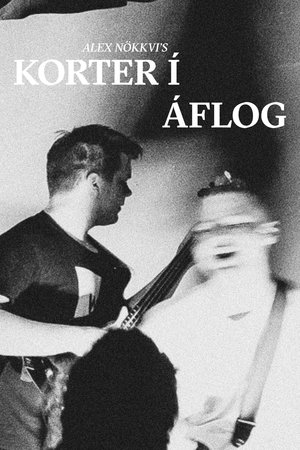
Documents the band "Korter í Flog". Their way to the top and their ultimate downfall. Post-dreifing, THAT Húrra concert and so much more.
David Gilmour, guitarist, composer and vocalist of the legendary formation Pink Floyd has performed in Poland on 25. June, 2016. He played the concert at Freedom Square in front of the National Forum of Music in Wroclaw.
Documentary film explores the role of women in the Slovenian film and is also looking for reflections in the film classics of the constant changing position of women in the society. Documentary also refers to popular and lesser-known women's roles in the history of Slovenian film, heroines in the literal sense, typical roles in many partisan films, as well as the established cliches: a suffering mother, adulteress, gossip. Through interviews with the actresses, theorists and artists as well as analyzing the most common phrases expressed by women in the Slovenian films, the film tries to reveal the true Slovenian film heroine.
This is a documentary made after the Fukushima nuclear accident by movie sound engineer Gilles Laurent, who died in a terrorist attack in Belgium on March 22, 2016. It tells the story of parents that stayed behind in the evacuated Tomioka town, and a couple that temporarily returned to the restricted residential area (at the time) in Minami Soma, from the temporary housing where they were staying. This film, which was completed by his Japanese wife and friends, carrying on the desires of the director, and was officially invited to the Marseille International Documentary Film Festival.
Academy Award winning make-up artist Rick Baker reflects on An American Werewolf In London and The Wolfman.
Spanning over a decade, from 1984 to 1996, Shooting Indians: A Journey with Jeffrey Thomas is an ironic documentary journey full of quiet insights and surprising twists. Starting the film as a foreign student in 1984, Kazimi begins to unravel the hidden history of the land that he has chosen as his home. At one level, Shooting Indians is a portrait of Jeffrey Thomas, an Iroquois photographer. The film explores the influences on his life which led him to his career. It was the work of an American photographer from the turn of the century, Edward Curtis, which forced Thomas to closely examine how Indigenous peoples had been photographed in the past. Thomas views Curtis’ monumental work as a “mountain which must be crossed.” On another level is the irony of an Indian from India making a film on a North American Indian and this is woven throughout the fabric of the film.
A chronological look at the creative life of Luchino Visconti (1906-1976). It examines his theatricality, role in the neorealist movement, use of melodrama, and relation to decadence. It touches on the impact of a fabulously wealthy childhood, his writing for "Cinema," his politics, his work with Renoir, his appreciation of Thomas Mann, and his deep knowledge of literature and the arts. Visconti moves constantly between film and the theater, staging plays provocatively, working with Maria Callas at La Scala, and shooting films in theaters. Clips from his films and interviews with actors, crew members, and critics provide details for this portrait of creativity.
A young man longs to travel to Hawaii, the birthplace of his deceased father, against the wishes of his family, who are estranged from those relatives in Waikiki.
RoboCup99
Delay of Game