Behind the Hollywood Bowl stage which is playing the opera The Barber of Seville, Bugs Bunny flees into the backstage area with Elmer Fudd in close pursuit. Seeing his opportunity to fight on his terms, Bugs raises the curtain on Elmer, trapping him on stage. As the orchestra begins playing, Bugs comes into play as the barber who is going to make sure that Elmer is going to get a grooming he will never forget.
Rossini: La Gazza Ladra - Teatro alla Scala
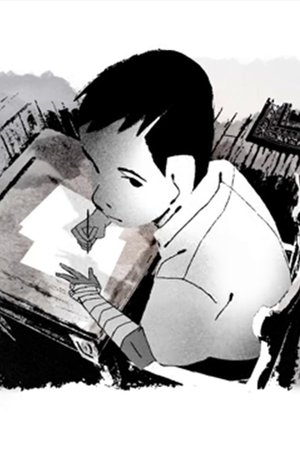
A silent black-and-white comedy inspired by the fizzing rollercoaster of Largo al factotum - the familiar aria from Rossini's The Barber of Seville - featuring the young apprentice hero and a recalcitrant, increasingly monstrous hairball.
Tom, famous baritone Signor Thomasino Catti-Cazzaza, enthralls a concert audience with his rendition of "Largo al factotum", from Rossini's "Il Barbiere di Siviglia", while Jerry strives for sleep under the stage.
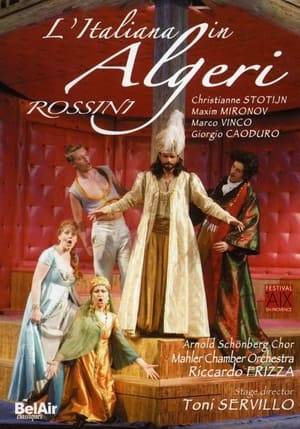
Isabella is a strong, independent woman who has no intention of giving in to the clumsy advances of the powerful Mustafà. In this production by Mosh Leiser and Patrice Caurier, which plays on preconceptions about culture clash, Mustafà is no longer a handsome Ottoman, but a shady gangster who traffics in electronic goods in the port of Algiers. Make of it what you will...
Live performance, Festival d'Aix-en-Provence, July 2006. 'L'italiana in Algeri' (English: 'The Italian Girl in Algiers') is an operatic dramma giocoso in two acts by Gioachino Rossini to an Italian libretto by Angelo Anelli, based on his earlier text set by Luigi Mosca. It premiered at the Teatro San Benedetto in Venice on 22 May 1813. The music is characteristic of Rossini's style, remarkable for its fusion of sustained, manic energy with elegant, pristine melodies.
Rossini: L'inganno felice - Rossini in Wildbad
Figaro uses every trick he can muster to outwit Dr Bartolo and ensure his master wins his chosen bride. He meets his match in the would-be-bride Rosina, who has schemes of her own. Glyndebourne favourite Danielle de Niese adds the crafty Rosina to her growing list of bel canto heroines. Directed by Annabel Arden with playful energy springing from Rossini’s joyous music, this new production heralds the welcome return of a masterpiece not seen at Glyndebourne Festival since 1982.
The Saint-Tropez police launch a major offensive against dangerous drivers. Marechal Cruchot (Louis de Funès) relishes the assignment, which he pursues with a manic zeal. Cruchot is after an offending driver, who turns out to be Josépha (Claude Gensac), the widow of a highly regarded police colonel. When they meet, Cruchot falls instantly in love....
Tulipe, is an old man who lives alone in an old railway carriage in the Argentueil region of Paris. His main passions are gardening and oil painting, but he also has a secret source of income. His godson discovers that Tulipe is actually a master forger, producing perfect copies of 10 franc notes. His godson’s girlfriend sees this as an opportunity to get very rich – but she must persuade Tulipe to forge 500 franc notes. Assuming Tulipe’s agreement, his godson and his girlfriend buy an expensive new car and luxury villa in provincial France – but there is a cruel turn of fate in store for them when Tulipe strikes up a friendship with a millionaire playboy.
After leaving the asylum, Vincent van Gogh settles in the home of Doctor Gachet, where he keeps painting amidst the torments of his failing mental health. He begins an affair with his host’s daughter, however, she soon realizes that he doesn’t love her and that his heart beats only for art.
The film follows the exploits of Jacques, a car-mechanic turned pro-thief, and his Jewish co-conspirator Simon as their robberies, beginning well before the Second World War, take on a political coloration under the occupation.
Muichkine, a young Russian prince, returns home to St. Petersburg from a mental institution, determined to spread decency and kindness in the harsh and cruel world. He becomes betrothed to an innocent young girl while trying to save a less-innocent woman from her own travail, but jealousy and his own naivete conjoin to bring about unimaginable tragedy.
Master painter Hans Moll and his wife, the television announcer Ms. Wellinek and her husband, and the German-Russian Jew Yevgenia have many things to live on: food, drink, an apartment. What they do not have is work. They all discover the yearning for a chance to start all over again and bring themselves back to life.
In 1830s France, a virtuous widow falls for a self-destructive debauchee obsessed with death. Initial resistance gives way to a desperate and cynical romance.
In 1917, the First World War is raging. Julien is from Luxemburg, so instead of having to go to war he studies piano in Paris. One day his friend Jacques, also a musician and now a fighter pilot on the front, invites him to spend a few days in his family's empty house in Bray. The housekeeper, a beautiful stoic woman lets Julien in, but his friend is late and he is obliged to wait. In the meantime, he starts reminiscing of the pre-war days spent with his friend and Jacques' girlfriend Odile.
With little or no embellishment, filmmaker Marguerite Duras offers a simple, often wordless chronicle of a woman's day. She and her friend are seen doing yard work, talking about their families and receiving the occasional visitor. The brightest spot in the day is when a washing machine salesman comes to call.
A macho junk shopkeeper, a lunar lawyer and a storekeeper meet by pure chance and develop the century's hold-up.
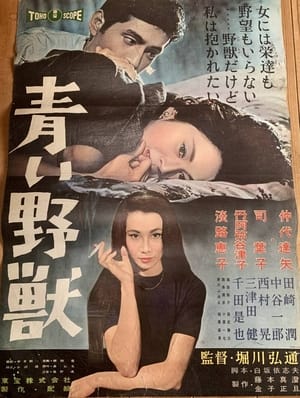
After a chance encounter with a wanted man, a woman is harassed by the police and press until she takes violent action.