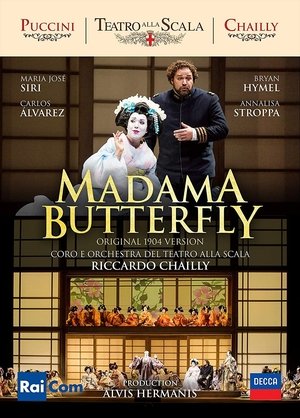
Madama Butterfly - Teatro alla Scala
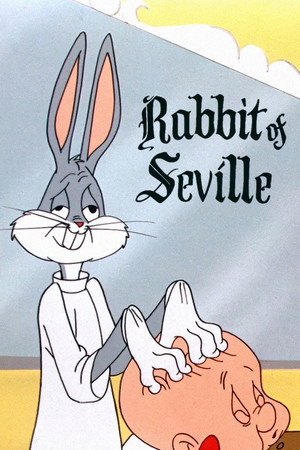
Behind the Hollywood Bowl stage which is playing the opera The Barber of Seville, Bugs Bunny flees into the backstage area with Elmer Fudd in close pursuit. Seeing his opportunity to fight on his terms, Bugs raises the curtain on Elmer, trapping him on stage. As the orchestra begins playing, Bugs comes into play as the barber who is going to make sure that Elmer is going to get a grooming he will never forget.
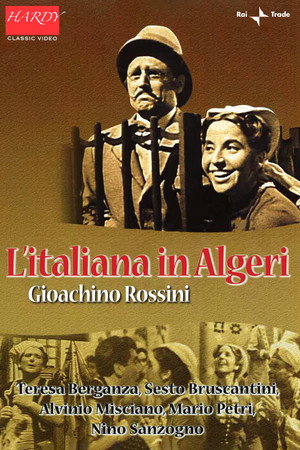
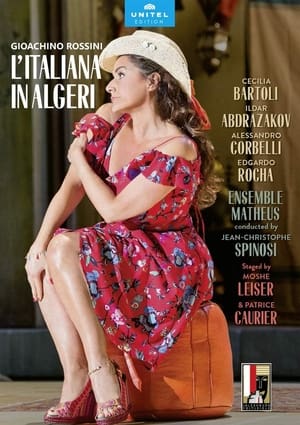
Isabella is a strong, independent woman who has no intention of giving in to the clumsy advances of the powerful Mustafà. In this production by Mosh Leiser and Patrice Caurier, which plays on preconceptions about culture clash, Mustafà is no longer a handsome Ottoman, but a shady gangster who traffics in electronic goods in the port of Algiers. Make of it what you will...
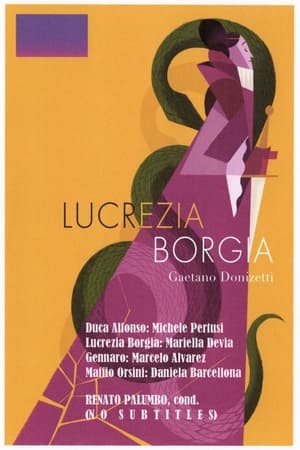
Lucrezia Borgia - Teatro degli Arcimboldi
A silent black-and-white comedy inspired by the fizzing rollercoaster of Largo al factotum - the familiar aria from Rossini's The Barber of Seville - featuring the young apprentice hero and a recalcitrant, increasingly monstrous hairball.
Tom, famous baritone Signor Thomasino Catti-Cazzaza, enthralls a concert audience with his rendition of "Largo al factotum", from Rossini's "Il Barbiere di Siviglia", while Jerry strives for sleep under the stage.
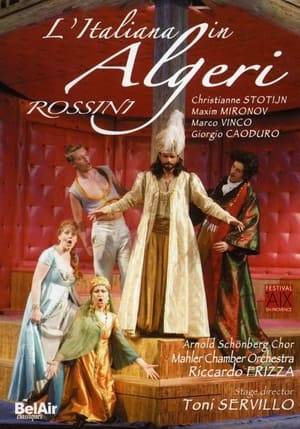
Live performance, Festival d'Aix-en-Provence, July 2006. 'L'italiana in Algeri' (English: 'The Italian Girl in Algiers') is an operatic dramma giocoso in two acts by Gioachino Rossini to an Italian libretto by Angelo Anelli, based on his earlier text set by Luigi Mosca. It premiered at the Teatro San Benedetto in Venice on 22 May 1813. The music is characteristic of Rossini's style, remarkable for its fusion of sustained, manic energy with elegant, pristine melodies.
In 15th-century Venice, Jacopo Foscari, son of the Doge of Venice Francesco Foscari, is to be tried by the Council of Ten for a crime of which he claims to be innocent. The Foscari family’s sworn enemy, the vindictive Jacopo Loredano, treacherously secures his sentence of exile. Despite the pleas of Lucrezia, Jacopo’s wife, the unfortunate father is forced to sign his son’s banishment order, even though he is convinced of his innocence. The young man dies of despair just before the real murderer comes forward. Loredano secures the removal of Francesco Foscari, who collapses, lifeless. "I due Foscari" is an opera in three acts by Giuseppe Verdi, with a libretto by Francesco Maria Piave, which premiered at the Teatro Argentina in Rome on 3 November 1844.
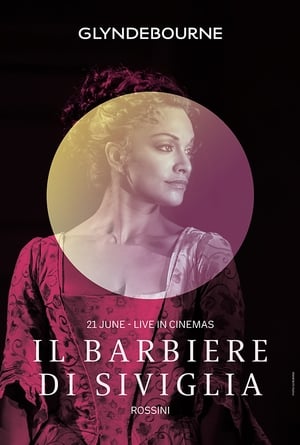
Figaro uses every trick he can muster to outwit Dr Bartolo and ensure his master wins his chosen bride. He meets his match in the would-be-bride Rosina, who has schemes of her own. Glyndebourne favourite Danielle de Niese adds the crafty Rosina to her growing list of bel canto heroines. Directed by Annabel Arden with playful energy springing from Rossini’s joyous music, this new production heralds the welcome return of a masterpiece not seen at Glyndebourne Festival since 1982.
Andrea Chénier, Umberto Giordano's masterpiece, a title that opens the Piermarini's 2017/2018 opera season, returns to La Scala in Milan after a 32-year absence. A highly anticipated event, not only because of the debut in the role of Magdalena by superstar soprano Anna Netrebko (thus marking her third season opener at La Scala, following 2011's Don Giovanni and 2015's Giovanna d'Arco) but also because of the La Scala debut of Yusif Eyvazov (Mrs. Netrebko's spouse, who has been keeping the Piermarini's gallery apprehensive for months now) and for the new direction signed by Mario Martone, who with Margherita Palli (composer of the sets) return to La Scala's handling of an opera by Umberto Giordano, after the success in May 2016 of their Cena delle Beffe.
Rossini: L'inganno felice - Rossini in Wildbad
Rossini: L'inganno felice - Teatro Fraschini di Pavia
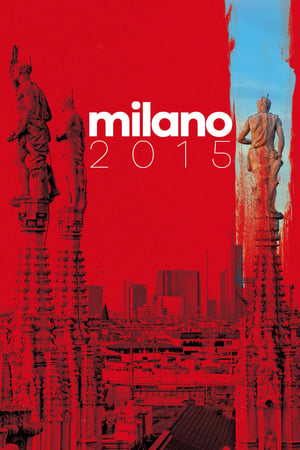
Six Italian directors explore contemporary Milan in a rich and eclectic portrait of urban life and spaces—both rooted in history and bursting with a diversity of architecture and humanity.
A second trial begins in November 1975 against French left-wing revolutionary Pierre Goldman, accused of several armed robberies and the death of two chemists.
Simon, a well-known French filmmaker, starts shooting his next film. A story about workers fighting to protect their factory from being relocated. But nothing goes as planned... His producer Viviane wants to rewrite the ending and is threatening to cut the budget; his own crew goes on strike; his personal life is in shambles; and to make things worse, his lead actor Alain is an egocentric jerk. Joseph, an extra who wants to get into the film industry, agrees to direct the making of and shoot the behind-the-scenes. He takes his role very seriously and starts following around the crew, capturing all this mess... What follows is proof that the making of can sometimes be far better than the film itself!
A handsome young chauffeur hired by a powerful and charismatic businesswoman discovers he has been made an unwitting party to fraud, but his moral outrage is complicated: the married man allowed himself to be seduced by the woman, who threatens to tell the man's wife.
A classical singer who put his career on hold to raise a family gets a big break when a major company hires him for a televised New Year's Eve concert, but his shot at fame is threatened when, against his better judgment, he goes out on a rainy night and gets a cold.
A fatally ill mother with only two months to live creates a list of things she wants to do before she dies without telling her family of her illness.
Jarhead is a film about a US Marine Anthony Swofford’s experience in the Gulf War. After putting up with an arduous boot camp, Swofford and his unit are sent to the Persian Gulf where they are eager to fight, but are forced to stay back from the action. Swofford struggles with the possibility of his girlfriend cheating on him, and as his mental state deteriorates, his desire to kill increases.