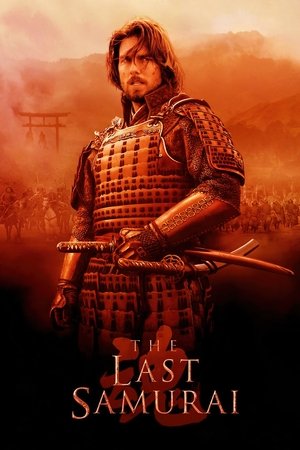
Nathan Algren is an American hired to instruct the Japanese army in the ways of modern warfare, which finds him learning to respect the samurai and the honorable principles that rule them. Pressed to destroy the samurai's way of life in the name of modernization and open trade, Algren decides to become an ultimate warrior himself and to fight for their right to exist.
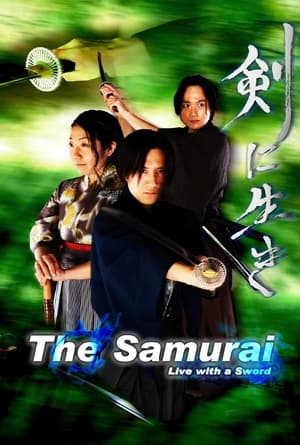
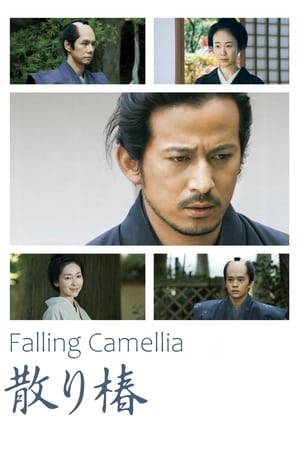
Kenji and Shintaro, once esteemed as the castle town's best Samurai, were anticipated to become the next Sensei and top Samurai until an assault changed their fate. While saving their lord, Kenji's injury marked the end of his swordsmanship career, and the loss of his purpose led to a life of drunkenness, earning him the nickname "the quitter." Despite this, Kenji's wife, Rin, continued to support him, recognizing his enduring passion. Following Sensei Yamamoto's death, a will declared that the next Sensei would be determined by a showdown between Kenji and Shintaro, leading Rin to dedicate herself to Kenji's redemption through rigorous training. The time has come for Kenji to confront Shintaro.
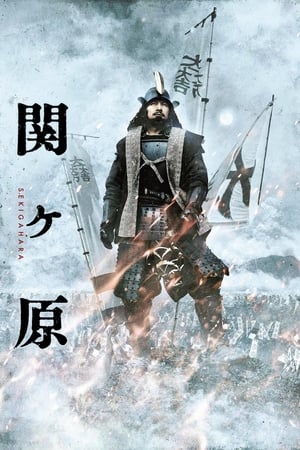
The background to and depiction of a watershed battle in Japanese history, at Sekigahara in 1600, when Tokugawa Ieyasu's Army of the East defeated the Army of the West of Ishida Mitsunari. The story includes the intrigues and shifting loyalties of the various retainers, family members, and samurai.
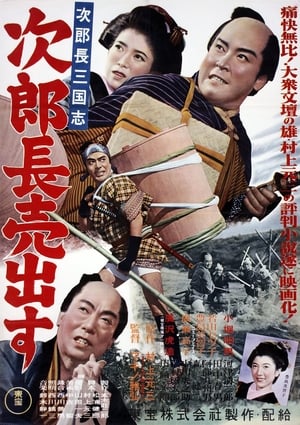
The rise of the famed gambler.
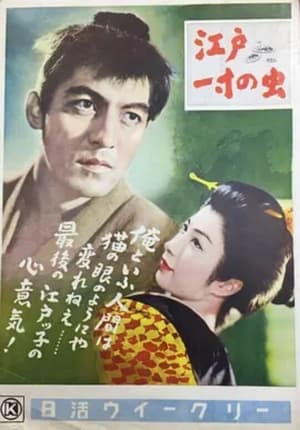
This historical film depicts the life of a man who was at the mercy of the waves during transition from the end of the Edo period to the Meiji Restoration, and therefore, shows audience the dynamic change from Edo to Meiji. Before the war, the director, Eisuke Takizawa, together with the writers, formed a scenario writer group "Narutaki-gumi and they shot many historical masterpieces.
A samurai answers a village's request for protection after he falls on hard times. The town needs protection from bandits, so the samurai gathers six others to help him teach the people how to defend themselves, and the villagers provide the soldiers with food.
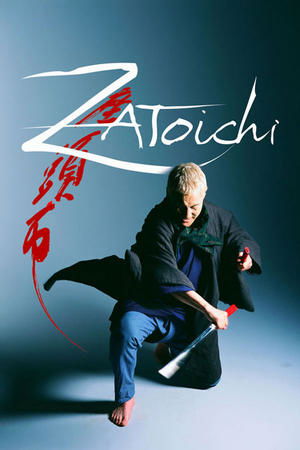
Blind traveler Zatoichi is a master swordsman and a masseur with a fondness for gambling on dice games. When he arrives in a village torn apart by warring gangs, he sets out to protect the townspeople.
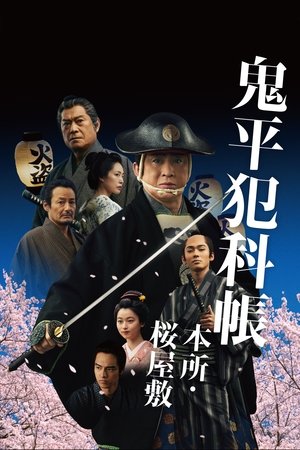
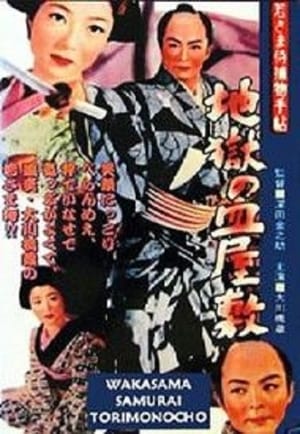
A tale of friendship, betrayal, and forbidden love—set against the backdrop of Edo’s criminal underworld. While patrolling the Honjo district, the legendary samurai detective Heizo Hasegawa crosses paths with his old dojo friend, Samanosuke Kishii, and a local ruffian, Hikoju of Sagami. When they discover that Ofusa, the woman they both once loved, has been forced into marriage with a corrupt lord, their reunion takes a dark turn. As secrets from their past resurface, a deeper conspiracy tied to their former mentor begins to unravel—one that will test Heizo’s loyalty, honor, and sense of justice.
Among the many famous 16th-century samurai who made the leap from myth and ukiyo-e to early cinema screen was sword-master Miyamoto Musashi, previously depicted in prints by Kiniyoshi Yoshitoshi and others slaying an array of grotesque creatures including giant bats, giant lizards, and the mythical tengu. This imagery informed his first screen depiction in Miyamoto Musashi Taiji No Ba, which showed him combatting the mythic white ape of the mountains.
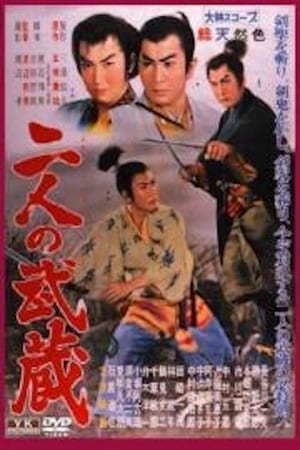
During the reign of Shogun Hidetada, both Hirate Musashi and Okamoto Musashi strive to become the finest swordsman in the land by defeating the Yagyu clan's top instructors and then taking on Sasaki Kojiro!
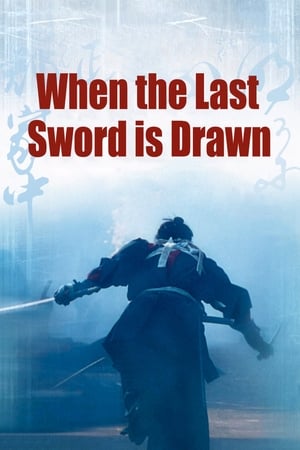
During the Edo period, a gifted swordsman was exiled from his clan when he questioned the misconduct of his leader. Years after, his dying wife wish was for him to go back to his clan.
Kanichiro Yoshimura is a samurai and family man who can no longer support his wife and children on the low pay he receives from his small-town clan. He is forced by his love for his family to leave for the city in search of higher pay to support them.
Down-on-his-luck veteran Tsugumo Hanshirō enters the courtyard of the prosperous House of Iyi. Unemployed, and with no family, he hopes to find a place to commit seppuku—and a worthy second to deliver the coup de grâce in his suicide ritual. The senior counselor for the Iyi clan questions the ronin’s resolve and integrity, suspecting Hanshirō of seeking charity rather than an honorable end. What follows is a pair of interlocking stories which lay bare the difference between honor and respect, and promises to examine the legendary foundations of the Samurai code.
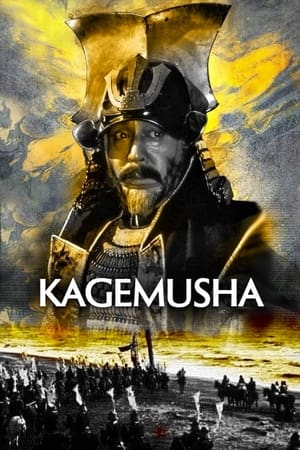
A feudal epic presenting the tale of a petty thief who is recruited to impersonate Shingen, an aging warlord, in order to avoid attacks by competing clans. The impostor becomes comfortable living his life among nobility, but his responsibilities to his station grow more demanding the longer he occupies it.
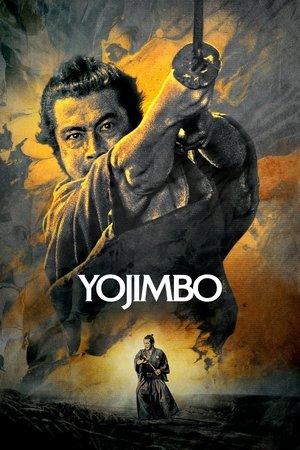
A nameless ronin, or samurai with no master, enters a small village in feudal Japan where two rival businessmen are struggling for control of the local gambling trade. Taking the name Sanjuro Kuwabatake, the ronin convinces both silk merchant Tazaemon and sake merchant Tokuemon to hire him as a personal bodyguard, then artfully sets in motion a full-scale gang war between the two ambitious and unscrupulous men.
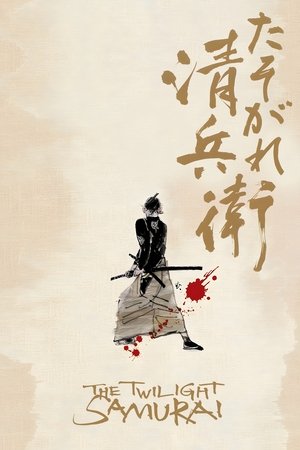
Seibei Iguchi leads a difficult life as a low ranking samurai at the turn of the nineteenth century. A widower with a meager income, Seibei struggles to take care of his two daughters and senile mother. New prospects seem to open up when the beautiful Tomoe, a childhood friend, comes back into he and his daughters' life, but as the Japanese feudal system unravels, Seibei is still bound by the code of honor of the samurai and by his own sense of social precedence. How can he find a way to do what is best for those he loves?
Izo is an assassin in the service of a Tosa lord and Imperial supporter. After killing dozens of the Shogun's men, Izo is captured and crucified. Instead of being extinguished, his rage propels him through the space-time continuum to present-day Tokyo. Here Izo transforms himself into a new, improved killing machine.
As a result of illness and unemployment, Yamaoka Tatewaki, a "Hatamoto" (or direct vassal of the Shogun), pawned his family heirloom, a valuable Gosu plate for 100 ryo. When, of all occasions, Yokogawa Dewa came to visit and asked to see the Gosu plate on May 5th, Boy's Festival. Yamaoka then sent his steward to borrow the plate back, but the pawnbroker coldheartedly refused. He died soon thereafter of an unknown cause. Soon after that, two warehouses were broken into, but nothing was taken. When Detective Shokichi seeks the help of Young lord samurai, in solving these mysterious crimes that plague the town he takes the case and immediately surmises that the thief was looking for something special. Could the answer be hidden in the coffin of a deceased merchant who had his most valuable things buried with him. The tension mounts and the mystery deepens. Can Young lord solve the case?
Mr. Kobayashi
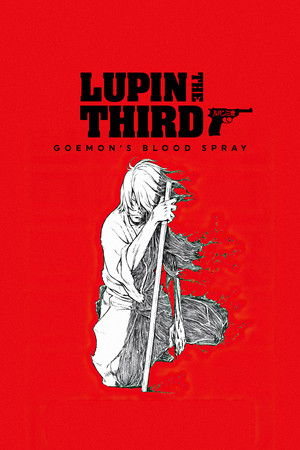
A yakuza boss hires Goemon Ishikawa, a modern day samurai, to protect him aboard his cruise ship casino. Everything goes sideways when the famous thief, Lupin the Third, tries to rob the vessel. Lupin's being hunted by a powerful and mysterious man: the so called “Ghost of Bermuda.” With Goemon's employer dead in the ensuing chaos, his honor is at stake, and the only way to preserve it is with blood. But this opponent is like no other, and to make things right, Goemon may need to sharpen not only his sword, but himself as well!