Can Homo sapiens evolve into Homo spatius? For over 50 years now, we have been testing our human nature in our effort to conquer outer space, and still 30 years away from a possible human exploration of Mars, a question remains: Can our body take such travels? Will it ever adapt? Combining human adventure and the exploration of the human body, this film offers unique insights into the physical and psychological effects of space travel on the Astronauts and measures the impact on medical sciences.
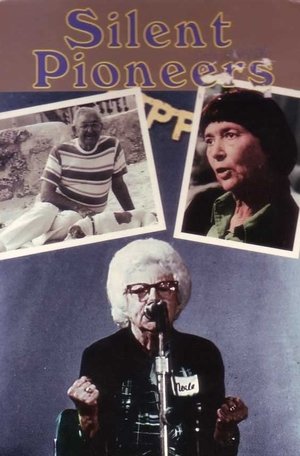
Contrary to the public stereotype of a youthful homosexual community, gay men and women do grow old. Silent Pioneers presents an upbeat focus on the lives of these people today, showing them living full and diverse lives and sharing concerns on ageing, health and housing, with other senior citizens. It also considers how support networks within the gay and lesbian community have enriched and strengthened their individual lives.
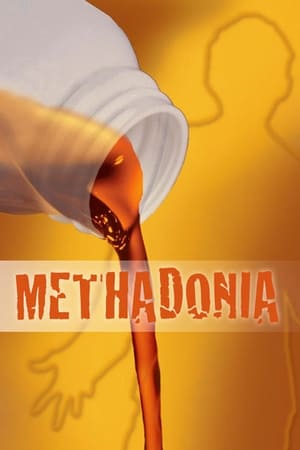
Shot over the course of 18 months in New York City's Lower East Side, METHADONIA sheds light on the inherent flaws of legal methadone treatments for heroin addiction by profiling eight addicts, in various stages of recovery and relapse, who attend the New York Center for Addiction Treatment Services (NYCATS).
The threat of dementia is affecting more and more people. As they slowly lose their memories and physical abilities, music proves to be a miraculous source of comfort, vitality, and hope. How is it, for example, that people with dementia often remember music longer than their own names?
Is there any way to slow or even prevent the ravages of time? Veteran presenter Johnny Ball looks back over the 45 years that Horizon, and he, have been on air to find out what science has learned about how and why we grow old. Charting developments from macabre early claims of rejuvenation to the latest cutting-edge breakthroughs, Johnny discovers the sense of a personal mission that drives many scientists and asks whether we are really any closer to achieving the dream of immortality.
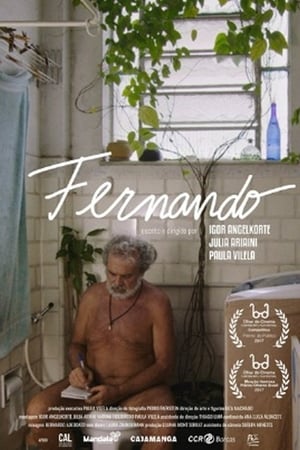
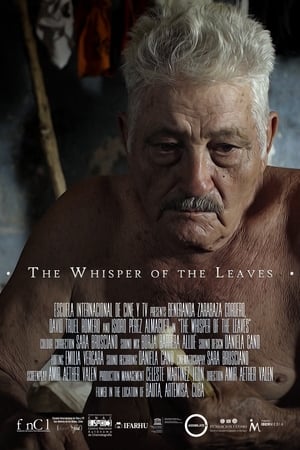
Fernando is an actor and theater teacher who, at the age of 74, is impelled to be the protagonist of himself in an experience that blurs the boundaries between the documentary and the fictional. Faced with a delicate problem in his heart, he follows a life full of love for art, where education emerges as a powerful transforming element of reality.
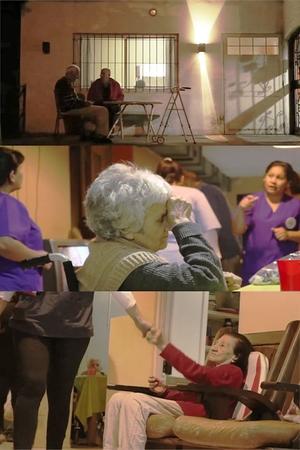
An immersive documentary about four nurses working in retirement houses in Alzheimer units. Near to Claire, Luca, Antoinette and Lika, we discover how the nurses work, how the care is possible, with patience, ability, intelligence, tenderness and love.
François Delisle draws an intimate portrait of his mother in a nursing home. A chronicle of the daily life and medical care of a woman approaching the end, treated with love, respect and dignity.
Explores the latest longevity research and whether dramatically extended human lifespan is achievable. Features top scientists, startup leaders, celebrities, and critics offering balanced perspectives on this fascinating field.
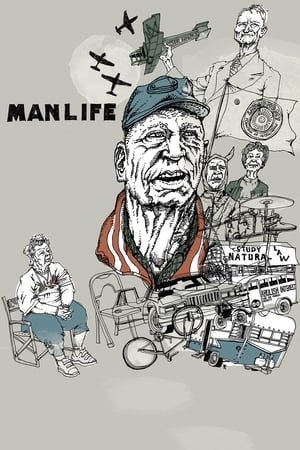
For over 80 years, Merle Hayden has crusaded to recruit members to the utopian movement Lawsonomy. Founded by aircraft pioneer Alfred Lawson, Lawsonomy advocates for economic reform and clean, communal living that transforms followers into a "New Species" that will benefit the human race either in this life or the next. Merle joined Lawson as a teenager and never looked back. His high school sweetheart Betty Kasch, however, is tired of Lawson coming between them. Reunited after over 60 years apart, non-believer Betty wants Merle to join her in Florida. Merle's commitment to preserving Lawson's legacy, artifacts currently rotting in a barn alongside a Wisconsin highway, has Betty worried Merle may leave her for Lawson once again.
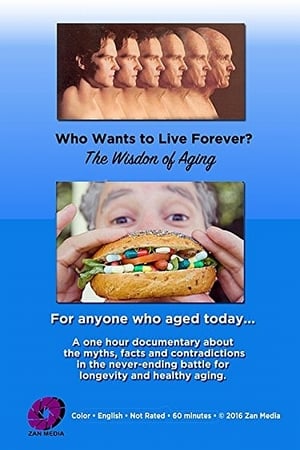
Director Mark Wexler embarks on a worldwide trek to investigate just what it means to grow old and what it could mean to really live forever. But whose advice should he take? Does 94-year-old exercise guru Jack LaLanne have all the answers, or does Buster, a 101-year-old chain-smoking, beer-drinking marathoner? What about futurist Ray Kurzweil, a laughter yoga expert, or an elder porn star? Wexler explores the viewpoints of delightfully unusual characters alongside those of health, fitness and life-extension experts in this engaging new documentary, which challenges our notions of youth and aging with comic poignancy. Begun as a study in life-extension, How To Live Forever evolves into a thought-provoking examination of what truly gives life meaning.
A dash of youth, a pinch of age, and an unrecorded recipe: Mudder's Hands is a charming documentary conversation about arthritis, centered around the tradition of baking Newfoundland raisin bread.
A documentary in which retired industrial workers reflect on the promises and anxieties of retirement. Beginning with the Budd Company’s “Retirement Ceremony” in Philadelphia, the film explores how leaving work can mean the loss of routine, identity, and a sense of accomplishment, even as it marks a long-anticipated milestone.
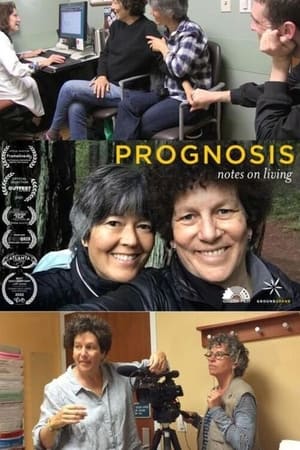
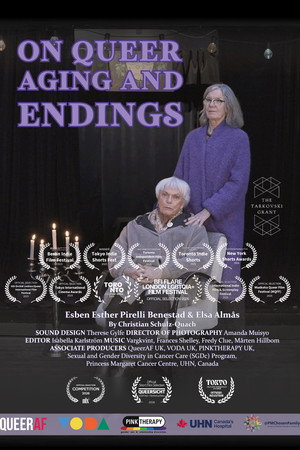
When filmmaker Debra Chasnoff faces stage-4 cancer, she turns her lens on herself and the disease. What emerges is a portrait of her extended LGBTQ family —a story about hanging on while letting go.
Alzheimer's: Every Minute Counts is an urgent wake-up call about the national threat posed by Alzheimer's disease. Many know the unique tragedy of this disease, but few know that Alzheimer's is one of the most critical public health crises facing America. Because of the growing number of aging baby boomers, and the fact that the onset of Alzheimer's is primarily age-related, the number of Alzheimer's case is predicted to skyrocket in the United States. This will not only be a profound human tragedy, but an overwhelming economic one as well. Due to the length of time people live with the illness and need care, it's the most expensive medical condition in the U.S. Future costs for Alzheimer's threaten to bankrupt Medicare, Medicaid, and the life savings of millions of Americans.
At Baycrest, an old-age home in Toronto, we follow a social worker as she talks to residents, particularly Max, Claire, Ida, and Rachel. The film opens on Claire's birthday, she's 89; Max, a tiny cheerful man, is her close friend. Rachel is lonesome, missing her son, complaining he rarely visits. Ida relies on memory for her solace. Helen has no memory and doesn't recognize her daughter; her moods swing. Murray keeps his cap on and likes women. Staff members bring medication, provide care, and offer small talk. Memory is fleeting: Claire re-experiences the death of a close companion several times, each time without remembering her previous grieving. Lives are circumscribed
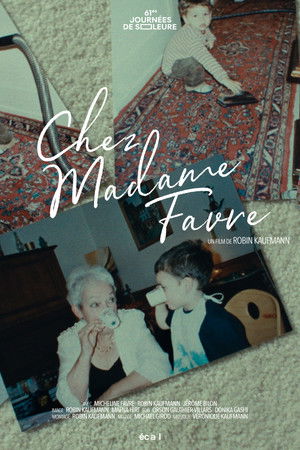
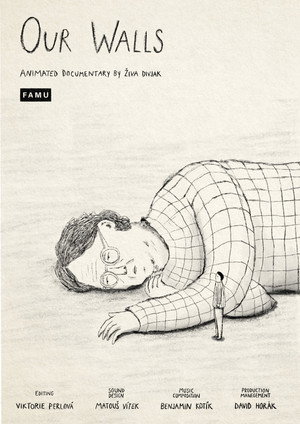
In a nursing home, a young man visits his grandmother. As she constantly repeats that she wants to go home, his grandson visits her now empty apartment, seeking to capture memories of a fading past.
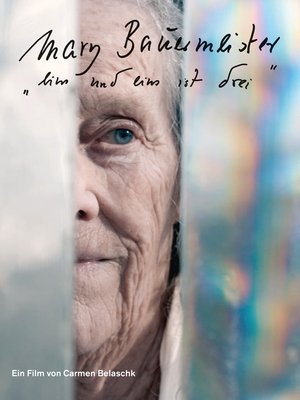
Mary Bauermeister is considered the mother of the Fluxus movement. In an attic on Cologne's Lintgasse, she made art history in the early 1960s alongside personalities such as Karlheinz Stockhausen and Nam June Paik. Today, at the age of 85, she has no intention of stopping. From morning till night, this extraordinary artist works in her studio near Cologne: a magical place.
Canadian seniors over 65 are staying active through philanthropy, the arts, volunteerism, education, entrepreneurship, or the workplace. Profiled here are a fashion tycoon gone back to school in his 80s, a 95 year old who builds and flies airplanes, a competitive darts player and painter without hands, an entrepreneur, an avid community volunteer, and a couple in their 90s who continue to teach roller skating.
In 1985 a picturesque Argentinian holiday town was completely flooded, not to re-emerge until 2009. Now only Pablo remains in this modern day Atlantis.