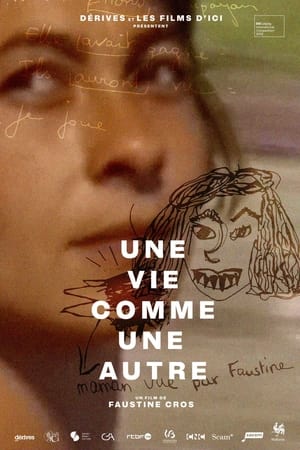
Over many years, the director’s father filmed his family life almost obsessively. His daughter’s birth, his son’s first steps, and always Valérie, the young mother. An impressive fund of material which their now grown-up daughter Faustine appropriates to tell quite a different story: that of a woman who sees her role as a mother and its demands take away her freedom step by step.
A docu-drama shot in 1970, but not completed until 1973, the film sought to encapsulate in an experimental form issues that were under discussion within the Women’s Liberation Movement at this time and to thus contribute to action for change. In its numerous community screenings, active debate was encouraged as part of the viewing experience.
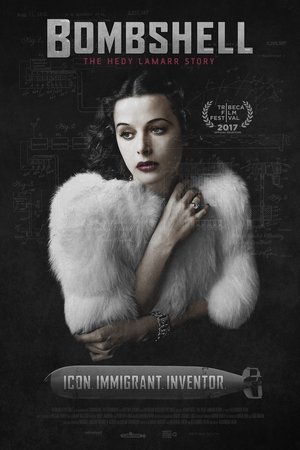
The life and career of the hailed Hollywood movie star and underappreciated genius inventor, Hedy Lamarr.
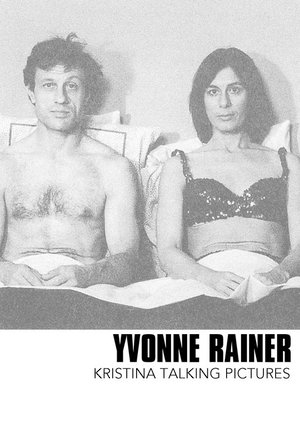
Kristina, a self-named Hungarian female lion tamer, arrives in New York to become a dance choreographer. Kristina, now a middle-class NYC artist concerned about the environment, has a sailor lover named Raoul. The film, a collage work, an essay film, a fictional narrative and a documentary all rolled into one, is one of the most important independent American feminists films made during the 1970's.
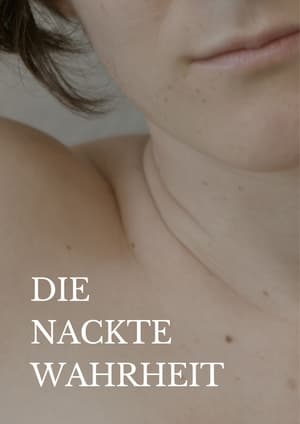
A painter, a naked woman, and a camera. In this triple constellation we explore the power of the gaze and the roles it imposes on us. An artist's studio turns into the setting for questions about how we look at and perceive women. The naked skin of the model becomes the canvas for an audiovisual exploration of the ways in which seeing and being seen anchors us in our body. And how this body shapes our experience of the world and our role in it.
In 1977, a book of photographs captured an awakening - women shedding the cultural restrictions of their childhoods and embracing their full humanity. This documentary revisits those photos, those women and those times and takes aim at our culture today that alarmingly shows the need for continued change.
Not For Sale: Feminism and Art in the USA during the 1970s
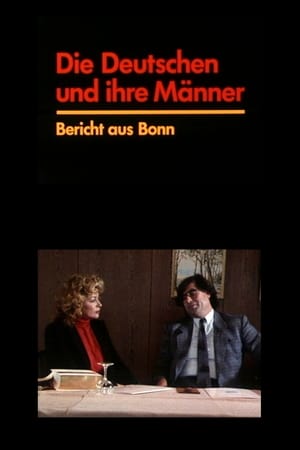
A documentary with fictious elements. Ms. Elisabeth (Lieschen) Müller from Austria comes to Bonn, Germany to find herself a man. During the search she investigates the connections between neckties, political power and prostitution, and tries to look for the influence the german feminist movement had on the men in Germany's capital.
The extraordinary rise of Olympic boxing champion, record-breaker, feminist and LGBT icon Nicola Adams. From the streets of Leeds to the world stage, Adams fought her way to the top and changed the game. This, is her story.
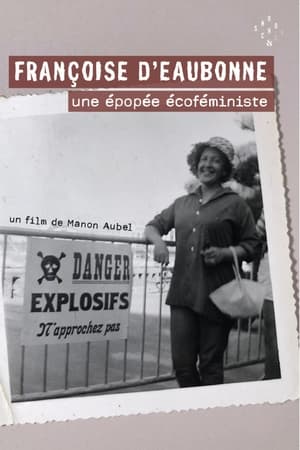
In the 1970s, Françoise d'Eaubonne stood out in the French intellectual landscape. At 50, she has already won several literary prizes and published around forty novels and essays, but is resuming her militant fight with renewed vigor. She is the first to define ecofeminism, denouncing the common oppression of women and the planet as a consequence of patriarchy. She participated in the actions of the MLF (Women's Liberation Movement), in the creation of the FHAR (Homosexual Revolutionary Action Front) and theorized counter-violence, going so far as to sabotage the construction site of the Fessenheim nuclear power plant. This film presents unpublished documents for the first time. Drawing freely from the manuscripts and photographic archives that she bequeathed to the Memory Institute for Contemporary Publishing, her relatives and researchers, historians and publishers comment on the resonance of her feminist and ecological heritage.
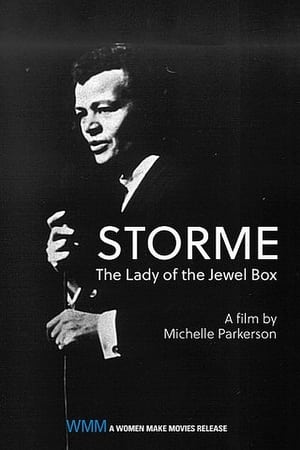
“It ain’t easy…being green” is the favorite expression of Stormé DeLarverie, a woman whose life flouted prescriptions of gender and race. During the 1950s and '60s she toured the black theater circuit as a mistress of ceremonies and the sole male impersonator of the legendary Jewel Box Revue, America’s first integrated female impersonation show and forerunner of La Cage aux Folles.
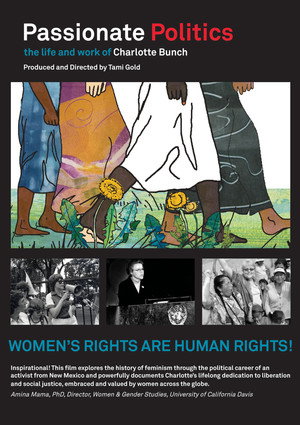
Passionate Politics is a one-hour documentary that profiles activist Charlotte Bunch, from idealistic young civil rights organizer to lesbian activist to internationally recognized leader of a campaign that put women’s right on the global human rights agenda.
Everything about the Quebec visual artist Lyne Lapointe reflects the grip of art on her life. Lesbian and feminist, she tirelessly highlights in her work the challenging position of women in society and in the art world. This concern is the common thread in the story of her life and projects. Despite a serious accident that ended her first series, revolutionary urban creations that earned her international reputation, she reinvents her approach with the tenacity that characterizes her, ultimately becoming the subject of significant exhibitions in Quebec, Canada, and abroad.
And urban planner's journey to making the impossible possible.
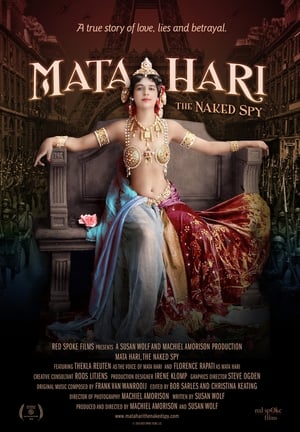
100 years ago Mata Hari faced the firing squad as a convicted Dutch spy. It was at this moment that the legend of Mata Hari, the seductive spy, was born. Newly-discovered documents cast doubt on her guilt and reveal startling truths about her life. Mata Hari was a self-made woman whose boldness and sexuality threatened the male establishment. Most of what we've known about her until now has largely been myth. Mata Hari's challenges as an abused wife, single mother and a creative independent woman are familiar to women around the world. At the turn of the century, her struggles to attain sexual freedom, artistic expression, and liberation from the constraints of conventional society are the same ones women face today. She graced the cover of Vogue, performed all over Europe and left a coterie of smitten admirers in her wake.
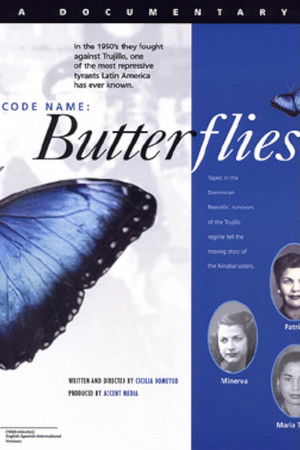
In the 1950s, Patria, Minerva, and María Teresa Mirabal - who were known by their codename "The Butterflies" - created an underground resistance movement against Rafael Trujillo, dictator of the Dominican Republic. On November 25, 1960, Trujillo had all three sisters assassinated. The assassinations turned the Mirabal sisters into national heroines and symbols of feminist resistance. The documentary interweaves interviews with over forty witnesses to the story, including the Mirabal family friends, colleagues, co-revolutionaries, teachers, and most importantly, their surviving sister, Dedé, along with dramatic reenactments and archival footage.
A documentary about trans woman rapper and producer htmljones/ish99ni (Ishaani Ponniah), framed through the visual language of early-2000s television, 2010s internet aesthetics, and contemporary British culture.
An investigative look and analysis of gender disparity in Hollywood, featuring accounts from well-known actors, executives and artists in the Industry.
This documentary interweaves films and voice recordings by Maya Deren with interviews featuring colleagues and contemporaries who worked with or knew her firsthand. Drawing on archival material and commentary from figures such as Jean Rouch and Jonas Mekas, the film traces Deren’s work and influence across experimental cinema and ethnographic thought.
She's Not Alone is a social enterprise short, that exposes the lack of safety in rideshare services, particularly for women and gender-diverse people.