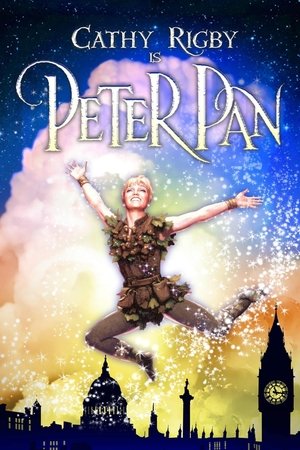
The stage musical Peter Pan starring Cathy Rigby has toured the world to great acclaim. An adaptation of the famous 1954 musical directed by Jerome Robbins and starring Mary Martin, this new version is lasting proof that J.M. Barrie's tale of the boy who would never grow up is one of the kingpins of family entertainment. All the elements are in good form for this video production shot at the Mirada Theater in 2000 for the A&E Network. Some new songs have been added to the fabulous Moose Charlap-Carolyn Leigh score (which includes "Tender Shepherd," "I Gotta Crow," "I'm Flying," and "I Won't Grow Up"). But the biggest asset to this production are the spectacular flying sequences: Peter even soars over the audience at times. Martin was a stronger actress in a close-up, but Rigby is magical with her athleticism and spark, most notably in a percussion-filled song and dance number "Ugh-a-Wug.".
In the estuaries and lagoons of the Northern Territory, freshwater and saltwater crocodile are hunted for their hides by both Indigenous and non-Indigenous hunters. This film shows Aboriginal people using age-old hunting techniques to land crocs either for food or for skins. The methods employed by the professional hunters, who earn as much as 3000 pounds during the season, are also depicted, followed by a brief look at how the hides are skinned and prepared before being transported to the leather factories of Sydney and Melbourne.
Paul "Gator Boy" Bedard and croc hunter "Crocodile Mick Pittman" journey through the Northern Territory to explore the invasion of crocodiles.
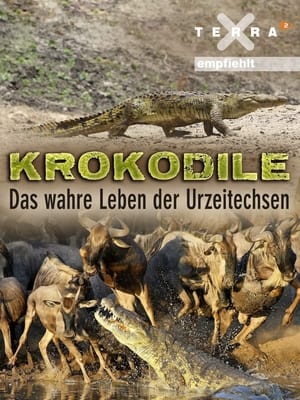
The documentary shows new, unique pictures of crocodiles in Tansania, portraying the beauty of the wild reptiles.
In this magical tale about the boy who refuses to grow up, Peter Pan and his mischievous fairy sidekick Tinkerbell visit the nursery of Wendy, Michael and John Darling. With a sprinkling of pixie dust, Peter and his new friends fly out the nursery window and over London to Never-Never Land. The children experience many wonderful and exciting adventures with the Lost Boys, Tiger Lily's Indian tribe, and Peter's arch enemy the dastardly pirate Captain Hook.
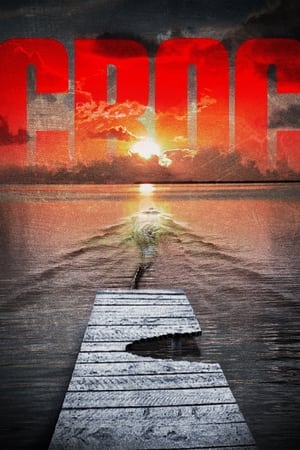
A large man-eating crocodile terrorizes tourists and locals near Krabi, in Thailand. Michael Madsen plays a hunter stalking the immense reptile, while sub-plots include a rivalry between a foreigner, who owns a crocodile-farm, and a Thai man who plays a part in framing the foreigner for the crocodile's rampage.
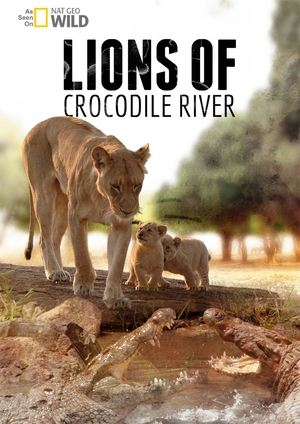
Lazy relatives. Jealous neighbors. Runaway kids. The everyday troubles of one family - except this family is a pride of lions. Shot over three years during the most extreme seasonal changes in Africa, the film follows Mfumu - the pride's leader - as he struggles to defend his turf, and his mate Chipazuwa as she tries to produce offspring. Among the threats: a river infested with crocodiles that have taken every litter of cubs -- and a rival male, bent on taking over the pride.
Crocodiles have hunted in the African rivers since the age of the dinosaurs for over 60 million years and have been known to conquer the test of time as they have been the top predator of the river, making them the ruler of the African tributaries. Despite their aggressiveness, crocodiles can have a soft spot for their own young.
Planet of the Reptiles
Saltwater crocodiles are the most controversial wildlife species in Australia. Even though they have dominated Australia’s coastal margins for 240 million years, their continued existence depends on us.
Peter Pan is an adolescent boy who has escaped from his parents to the dreamland of Nowhere. Peter is determined to remain a little boy forever; because the adult world does not please him at all. Together with the fairy Tinkerbell, Peter Pan lures the girl Wendy and her two brothers John and Michael to Nowhere, where Peter teaches them to fly. They join forces with the Indians, led by the beautiful Tigerlilly, to fight together against the evil Captain Jack Haken and his wild pirates.
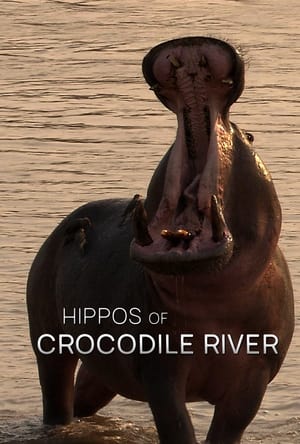
Hippos and crocs have lived side by side for millennia, but are they cozy bedfellows or arch-enemies? One is a hefty herbivore, the other is the most successful freshwater predator on the planet, so how do they manage to survive together in the same habitat? They each have a unique arsenal of attributes honed by centuries of evolution; muscle power, bite force and ferocious dentition give them the edge in their environment. But once a year, their peaceful semi-aquatic existence turns into a battle for survival.
David Attenborough discovers that the descendants of the dinosaur age still thrive today. But how did they survive the cataclysmic events that wiped out their ancient ancestors?
Documentary which follows crocodile expert Brad Bestelink on a quest to dive with crocodiles without a cage or any other protection.
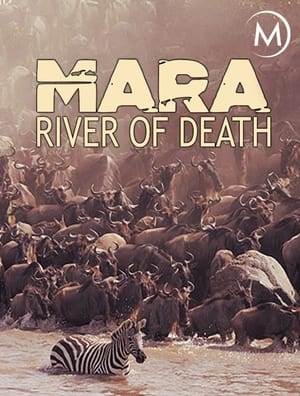
For millions of years, the annual migration in the Masai Mara has survived everything that the natural world has thrown at it. Wildebeest, Zebra and countless other species set off on this journey of enormous proportions to reach the greener grasses thousands of miles away. But the treacherous journey is filled with hardship and the ever-present threat of being ambushed by hungry predators. Crossing the Mara River will be one of the mega herds biggest challenges with crocodiles and lions alike eagerly awaiting at the infamous paradise crossing. It's a bloodbath like no other and only the lucky will make it to the greener pastures on the other side.
In Sekenani River in Maasai Mara Park, a pod of hippopotamuses and a bask of crocodiles keep a cautious truce.
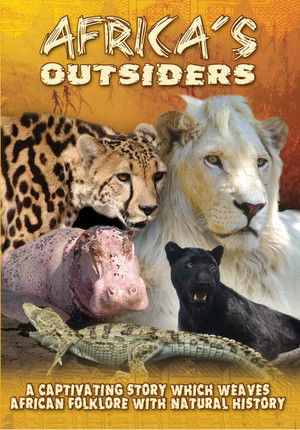
A documentary that focuses on how animals born with unusual colours have a much harder struggle than normal. Follow white lions, a white baboon and a yellow crocodile.
In 1952, explorer Federico Medem believed he had discovered, for the world, a new subspecies of caiman in the Apaporis River (Colombia). Difficult access to the area and lack of information made the subspecies a legend for the scientific community.
a documentary about crocodiles
East Africa's Mara River is both a giver of life and and bringer of death. It is a crucial crossing point for the largest migration of mammals on the planet, including millions of zebras and wildebeests. It is also the stage for an ancient and bloody confrontation between these herds and crocodiles. With the gathering of predators and prey on its banks, the water is sure to run red with blood.