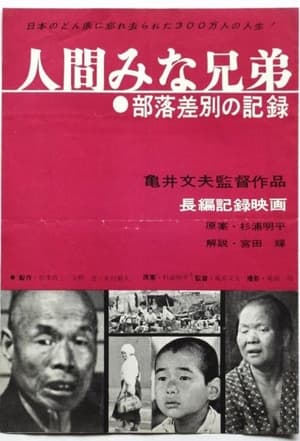
Documentary against buraku discrimination
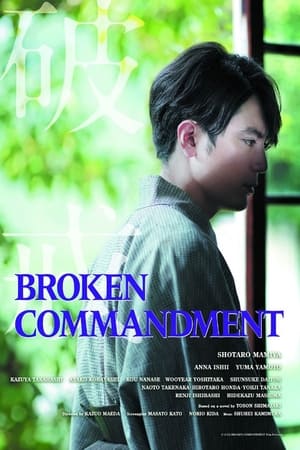
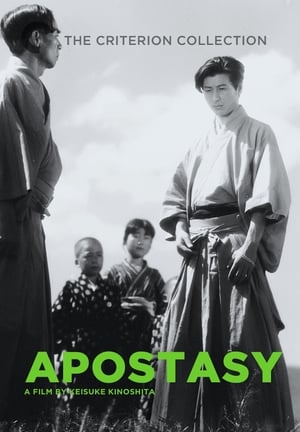
At the strong insistence of his father, Ushimatsu Segawa conceals his origins from a “buraku” area of low-class “untouchables,” leaving his hometown to serve as an elementary school teacher where he excels and is loved by his students. But he constantly struggles with the secret of his low-birth status and is disturbed by all of the discrimination levelled upon his class. It prevents him from pursuing a romance with Shiho, whom he meets at the temple where he resides, but who descends from a samurai family.
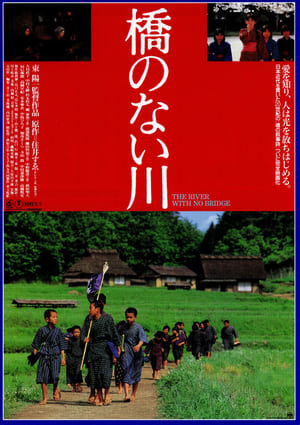
Brothers Koji and Seitaro Hatana, belong to the "outcast" caste. Despite their personal qualities—intelligence and fairness—they encounter numerous obstacles due to their caste affiliation. Together with other "outcasts," the brothers take up the fight for their human rights.
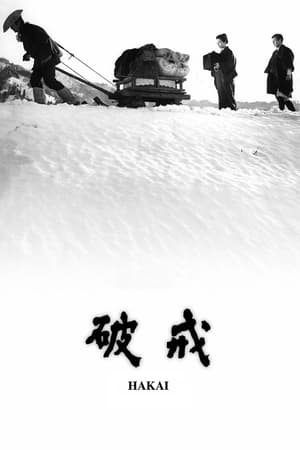
In the Meiji period, a schoolteacher tries to hide his lower-class upbringing as he supports a visiting liberal intellectual.
Ushimatsu's father told him never to reveal his lower-caste heritage; years later, he now contemplates confiding in an activist fighting against such discrimination.
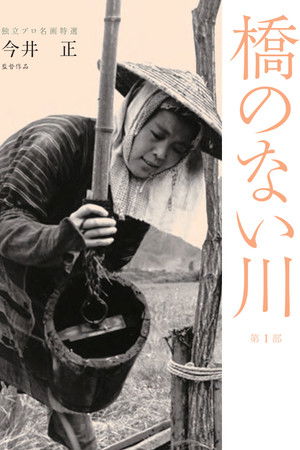
A widow and her two sons, Seitaro and Koji, live in the small town of Komori, where Buraku people are forced to reside. The two boys are continuously harassed by their teachers and classmates through their childhood as a result of their Buraku heritage. In the midst of the 1918 Great Rice Riots in Osaka, Seitaro meets with Asako, the daughter of a rice shop owner, and falls in love with her. She too is of Buraku descent. At the same period, Hideaki, an old friend of the brothers returns to Komori, and he along with Koji and the townspeople create "Zenkoku Suiheisha", the National Levelers Association, an organization pledged to build a bridge over the river of discrimination, making all people equal in every way.
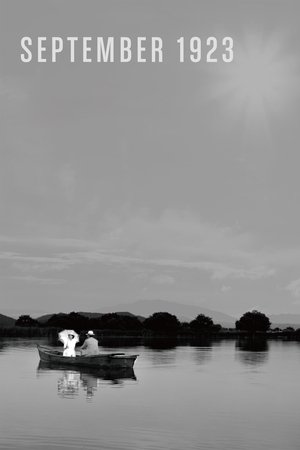
Based on the murder of nine street peddlers in the aftermath of the Great Kanto earthquake.
What's it like starting a family when you're both transgender? This intimate film follows Hannah and Jake Graf on a journey through prejudice and surrogacy to birth during lockdown.
In the late sixties the news about the death of Paul McCartney swept the world. But did Paul really die? This documentary explores the true story behind the Paul-is-dead mystery.
In 1963 a group of young Black boys living in Harlem were involved in an incident that earned them the nickname "The Harlem Six." Intent on protecting and clearing the names of their sons, several mothers bonded together to make their story known. This work emerges as a powerful close up of police brutality, and of power dynamics of 1960's Harlem.
Jan Paweł II: Szukałem Was...
The film features excerpts from conferences on the preservation of Holocaust remembrance, as well as authentic documentary footage from Lithuanian Jewish life.
$avy investigates the historical, cultural, and societal norms around women and money.
Snake Island: Wild & Deadly
The story of the unprecedented sports shutdown in March of 2020 and the remarkable turn of events that followed. This sports documentary is a chronicle of the abrupt stoppage, athletes’ prominent role in the cultural reckoning on racial injustices that escalated during the pandemic, and the complex return to competition in the summer and fall.
Autwork
A behind-the-scenes look at the making of the film The Mask of Zorro (1998), including a brief history of the iconic character.
I was scrounging around the neighborhood for inspiration. Within a block from my apartment, I found a wild mushroom in the grass, and an advertisement for a psychic named Sara.
After providing a pictorial vision of Chile, from north to south, President Salvador Allende's tour of the following countries is recorded: Mexico, Algeria, USSR, USA and Cuba. In each place, scenes of welcoming demonstrations, official acts and typical archive notes are presented.
A series of video letters composed between Nicolás Grandi in Buenos Aires and Priya Sen in New Delhi, artists and collaborators since 2011.