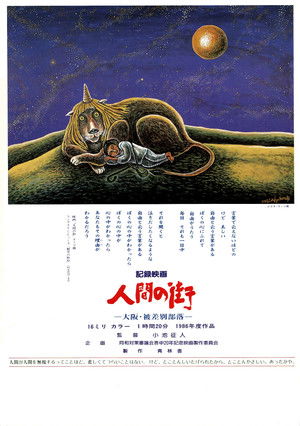
Interviews with Burakumin in Osaka, victims of discrimination
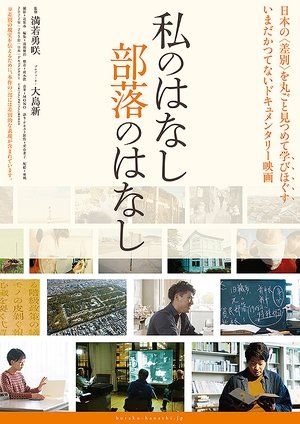
"Buraku" or "Buraku-min" are the terms used for ethnic Japanese people who are believed to descend from the pre-Meiji castes. Today, neither "Buraku" nor "Burakumin" exist anymore in terms of laws and social systems. However, many Japanese people still have a deep-rooted sense of discrimination towards people who descend from those families. Why does something that should not exist continue to exist? How did this discrimination begin in the first place? This film takes a variety of approaches to unravel the history of accumulated discrimination and its intricately intertwined context, from its origins and evolution, vividly depicting the structure of discrimination that often remains hidden from the public eye.
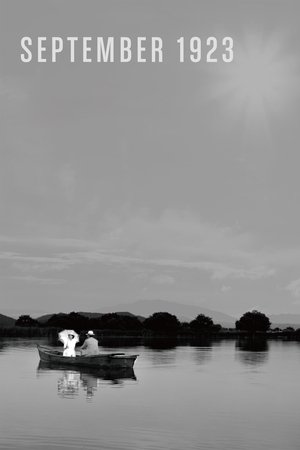
Based on the murder of nine street peddlers in the aftermath of the Great Kanto earthquake.
Brothers Koji and Seitaro Hatana, belong to the "outcast" caste. Despite their personal qualities—intelligence and fairness—they encounter numerous obstacles due to their caste affiliation. Together with other "outcasts," the brothers take up the fight for their human rights.
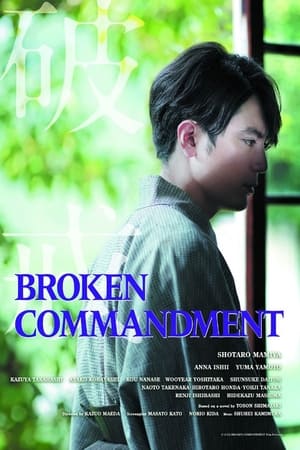
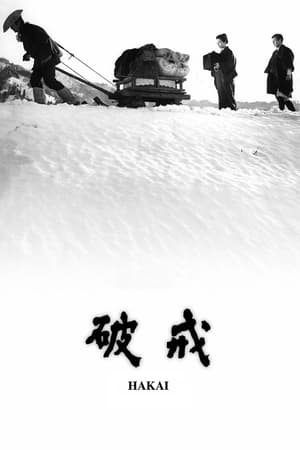
At the strong insistence of his father, Ushimatsu Segawa conceals his origins from a “buraku” area of low-class “untouchables,” leaving his hometown to serve as an elementary school teacher where he excels and is loved by his students. But he constantly struggles with the secret of his low-birth status and is disturbed by all of the discrimination levelled upon his class. It prevents him from pursuing a romance with Shiho, whom he meets at the temple where he resides, but who descends from a samurai family.
Ushimatsu's father told him never to reveal his lower-caste heritage; years later, he now contemplates confiding in an activist fighting against such discrimination.
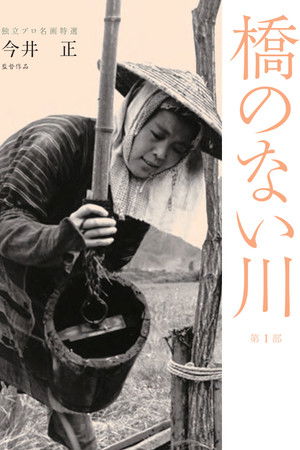
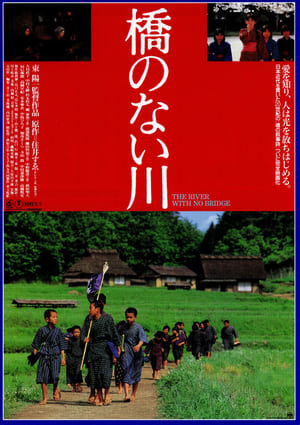
A widow and her two sons, Seitaro and Koji, live in the small town of Komori, where Buraku people are forced to reside. The two boys are continuously harassed by their teachers and classmates through their childhood as a result of their Buraku heritage. In the midst of the 1918 Great Rice Riots in Osaka, Seitaro meets with Asako, the daughter of a rice shop owner, and falls in love with her. She too is of Buraku descent. At the same period, Hideaki, an old friend of the brothers returns to Komori, and he along with Koji and the townspeople create "Zenkoku Suiheisha", the National Levelers Association, an organization pledged to build a bridge over the river of discrimination, making all people equal in every way.
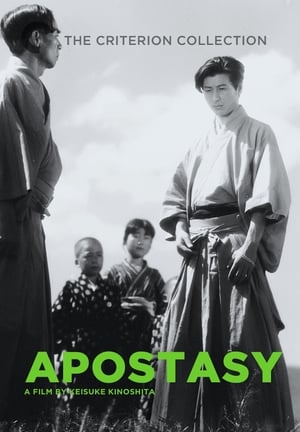
In the Meiji period, a schoolteacher tries to hide his lower-class upbringing as he supports a visiting liberal intellectual.
This documentary chronicles an Yves Montand concert for Chilean refugees in France.
This film is about drive. It’s about the passion and creative drive of Kazunori Yamauchi, the architect behind Gran Turismo’s birth and breath-taking fifteen-year evolution.
Award-winning filmmakers Jean-Pierre and Luc Dardenne profess their love for the classic "Modern Times." The directors expose their views on the many aspects of the film, Chaplin's brilliancy and they also provide interesting details about the making of Chaplin's masterpiece.
Starting with a long and lyrical overture, evoking the origins of the Olympic Games in ancient Greece, Riefenstahl covers twenty-one athletic events in the first half of this two-part love letter to the human body and spirit, culminating with the marathon, where Jesse Owens became the first track and field athlete to win four gold medals in a single Olympics.
Part two of Leni Riefenstahl's monumental examination of the 1938 Olympic Games, the cameras leave the main stadium and venture into the many halls and fields deployed for such sports as fencing, polo, cycling, and the modern pentathlon, which was won by American Glenn Morris.
After John Wilkes Booth assassinated President Abraham Lincoln, he escaped to Maryland and was discovered hiding in a barn. After he refused to surrender, the barn was set afire and Booth died in the blaze. However, in 1903 a Mr. David E. George, while on his deathbed in Enid, Oklahoma, claimed to be John Wilkes Booth. This MGM An Historical Mystery series short presents evidence of the possibility that Mr. George's claim was true.
Four generations of a Jewish immigrant family create Russ and Daughters, a Lower East Side lox and herring emporium that survives and thrives. Produced to coincide with the 100th anniversary of the store, this documentary features an extensive interview with two of the original daughters for whom the store was named, now 100 and 92 years old, and interviews with prominent enthusiasts of the store including Supreme Court Justice Ruth Bader Ginsburg, actress Maggie Gyllenhaal, chef Mario Batali, New Yorker writer Calvin Trillin, and 60 Minutes correspondent Morley Safer. Rather than a conventional narrator, the filmmakers bring together six colorful longtime fans of the store, in their 80s and 90s, who sit around a table of fish reading the script in the style of a passover Seder. - Written by Julie Cohen
The daily lives of the Krahô Indians, who live in Palmas, Tocantins. The film portrays the culture of the clown Hotxuá and the Festa da Tora da Batata, the most important event of the tribe.
An overview of the singer's career includes comments from manager Roger Davies and ex-husband Ike Turner, as well as Mick Jagger, Elton John, David Bowie, Mark Knopfler.
Flubs and bloopers that occurred on the set of some of the major Warner Bros. pictures of 1937.
Adults share their most embarrassing teenage writings and art in front of total strangers at Mortified stage shows across the country, as the filmmakers explore what the show's popularity says about all of us.
In an epic snow year, five friends leave their daily lives behind to hike California's historic John Muir Trail, a 211-mile stretch from Yosemite to Mt. Whitney (the highest peak in the contiguous U.S.). Their goal - complete the journey in 25 days while capturing the amazing sights & sounds they encounter along the way. Inspired by their bond, humor, artistry & dedication, the group continues to grow: to include other artists, musicians & adventure seekers. Before they all reach the summit, hikers and viewers alike affirm the old adage - it's about the journey, not the destination. Mile... Mile & A Half is the feature-length documentary of that journey...