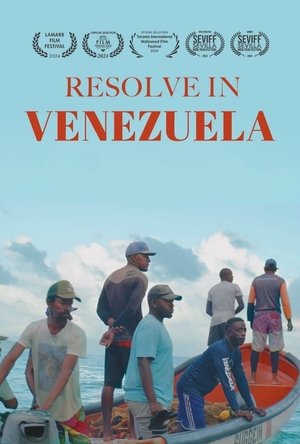
In this tale of labor and family that shines a light on the precarity of temporary work visas, Raymundo Morales leads a crew of workers who have to make the challenging decision to leave their families in rural Mexico to plant commercial pine forests in the United States.
A group of children living on the streets of Athens. Among them is Sayid, a twelve-year-old boy, who works all day selling sunflower seeds in the city’s parks and squares. His existence borders on absolute poverty, as he goes looking for food at soup kitchens. His daily routine in the chaotic capital of Greece is a continuous struggle for survival. At the same time, however, he manages to find and enjoy the freedom the city streets can offer. Sayid, along with his friends who are all immigrants from Afghanistan, escape their desperation by clinging onto their hopes. With them, he plays innocent childhood games and dreams of a better future: He wants to leave for Northern Europe, to go to school, and to get a decent job when he grows up. Sayid is trapped in Greece, a country plagued by a financial crisis, increasing unemployment, rampant xenophobia, and racist violence. Sayid doesn’t mince his words: “I’ve been here for about two years, and it feels like twenty.”
Documentary that shows the changing attitude towards immigrant labor in The Netherlands. The documentary follows three immigrants that arrived in Holland 30 years ago to work in a bakery.
Twenty-five films from twenty-five European countries by twenty-five European directors.
De Charles de Gaulle à Emmanuel Macron, les gardiens de l'empire
An intimate look at the Woodstock Music & Art Festival held in Bethel, NY in 1969, from preparation through cleanup, with historic access to insiders, blistering concert footage, and portraits of the concertgoers; negative and positive aspects are shown, from drug use by performers to naked fans sliding in the mud, from the collapse of the fences by the unexpected hordes to the surreal arrival of National Guard helicopters with food and medical assistance for the impromptu city of 500,000.
Striving to build a successful life in London, Reza places an ad in a peculiar newspaper and discovers the Iranian community hidden in plain sight. Winner of the Netflix Documentary Talent Fund.
Narratives of Modern Genocide challenges the audience to experience first-person accounts of survivors of genocide. Sichan Siv and Gilbert Tuhabonye share how they escaped the killing fields of Cambodia, and the massacre of school children in Burundi. Mixing haunting animation, and expert context the film confronts our notion that the holocaust was the last genocide.
In 2001, Andrew Bagby, a medical resident, is murdered not long after breaking up with his girlfriend. Soon after, when she announces she's pregnant, one of Andrew's many close friends, Kurt Kuenne, begins this film, a gift to the child.
Three young Afghans find themselves in limbo after being evacuated to the US from Kabul.
Co-directed by acclaimed cinematographer Ellen Kuras and subject Thavisouk Phrasavath, this haunting documentary chronicles a refugee family’s epic journey from Laos in the aftermath of the secret war waged by the United States there to New York, where they find themselves fighting a different kind of war on the streets of Brooklyn. Filmed over the course of 23 years, THE BETRAYAL is a visually and emotionally stunning look at the complex ways in which the political shapes the personal.
During World War II, many Japanese immigrants in Santos, Brazil, were forced to move to another place. Matsubayashi draws attention to the fact that 60% of the immigrants were from Okinawa. Based on testimonies from interviewees, this film reveals the hidden historical relationship between Okinawa and Brazil.
A poetic retelling of the experiences of Joseph Murakami, a fourteen-year-old boy from Darwin, who is summarily rounded up and interned by his government on the basis of his ethnicity, leaving wounds unhealed to this day.
The Fall of the I-Hotel brings to life the battle for housing in San Francisco. The brutal eviction of the International Hotel's tenants culminated a decade of spirited resistance to the razing of Manilatown. The Fall of the I-Hotel works on several levels. It not only documents the struggle to save the I-Hotel, but also gives an overview of Filipino American history.
Hugo Chavez was a colourful, unpredictable folk hero who was beloved by his nation’s working class. He was elected president of Venezuela in 1998, and proved to be a tough, quixotic opponent to the power structure that wanted to depose him. When he was forcibly removed from office on 11 April 2002, two independent filmmakers were inside the presidential palace.
Is the solution to Switzerland's future to integrate Germany into the confederation? After all, like Michael Ringier, CEO of the Ringier media group, says, blithely ignoring all minorities, we're very close in culture and language. Oskar Freysinger takes out his guitar and sings his answer. Politicians from French-speaking Switzerland and Ticino think expanding will help the country survive. The former German foreign minister thinks the two countries' traditions are too different. The banker Oswald Grübel is worried about Germany's debts, although he'd be prepared to take over its assets. With serious interviews interspersed with gags (boat people on Lake Constance, the last Habsburger as a peasant), Giaccobbo gathers off-the-cuff reactions which reveal a lot about the different mentalities. The movie laughs at preconceived notions, redefines neutrality and reflects on what designates a nation. Switzerland, which loves to teach the world a lesson, will soon helvetize the planet, oder?
The documentary follows the life of Farroukh, a young Tajik immigrant who lives in Moscow outskirts with his family and does odd jobs in dreams of becoming an actor.
French visual artist-director JR situates his latest social-art intervention in a Southern Californian supermax prison, where he has imagined an enormously ambitious collaboration with the facility’s inmates.
Anna, a twelve-year-old Ukrainian gymnast, has fled her war-torn country and recently settled in Montreal with her mother, younger brother, and grandmother. Confronted by the past, the challenges of exile, and a deep need for belonging, she seeks to rebuild her identity and regain her balance. Through her child’s perspective, the documentary explores the reality of life after war, questioning what endures and what is missing, even when one has found refuge.
"Take my love" is a documentary film about "Las Patronas", a group of women who daily cook, pack and throw food to the migrants riding the "Beast" train.