Light Upon Light: A Documentary on Hijab is an intimate and deeply personal exploration of the diverse, raw, and untold stories of hijabi women. Through open and vulnerable conversations with 7 women, the film dismantles stereotypes, highlights the challenges imposed by society, and celebrates the profound beauty of the hijab beyond a mere clothing choice. It captures the individuality of each woman’s story—how they came to wear the hijab, the struggles they’ve faced, and the strength they’ve found in it. More than just fabric, the hijab is a journey, often misunderstood, and influenced by the way the world perceives it. By amplifying voices that are often unheard, the documentary creates a space for empathy, challenges misconceptions, and invites a deeper understanding of what it truly means to wear the hijab; inspiring everyone to see hijab in a new light.
The 1920s was a time of great change in Hollywood. This program tells the story of the advent of sound technology for movies and the emergence of talkies and musicals in Hollywood. While audiences cried out for more, the movie industry struggled to adapt to the strange new technology. The result was an explosion of movie musicals by the end of the decade.
Act of Violence Upon a Young Journalist is a film shot in 1988 and released on VHS in 1989; a mysterious cult work of Uruguayan cinema surrounded by strange theories about Manuel Lamas, its unknown creator. Until now.
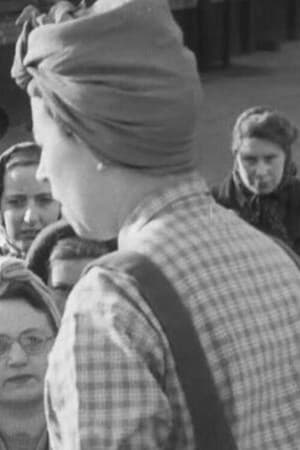
Six o'clock in the morning, the sun rises behind the Djurdjura mountain. With precise gestures, learned since childhood, Ouardia raises the water, crouches down to splash his face with cool water. Soon her baby will be born. Hadjila, the traditional midwife, prepares herself internally to help the mother complete the transition from separation. This film talks about the knowledge surrounding birth that Kabyle women have passed down for centuries; knowledge that European women seek to rediscover in order to reclaim this founding passage of our lives.
Edgar Morin, un penseur à Paris
The Executive Empress explores the entrepreneurial lives of several Florida women, who have turned their unique passions into successful businesses.
August 29, 1979, Talavera Bruce Penal Institute, Bangu, Rio de Janeiro. After serving eight years in prison, Inês Etienne Romeu, the only survivor of the "House of Death" in Petrópolis and the first political prisoner sentenced to life in prison in Brazil, left prison benefiting from Amnesty. Norma Bengell filmed this moment: from the prison door to her home with her family, Inês was welcomed by family, friends and members of the Brazilian Amnesty Committee, in what marked the first act of the historic denunciation that Inês would carry out against her tormentors and the Military Regime.
They didn’t drop a game throughout the 2024 home and away season, but the Kangaroos had to face their demons to win the Grand Final.
Tebraa is the song of the women of the Sahara desert. Songs of love or lamentation that they sing when they are alone. This collective documentary made by a group of Andalusian women tells the life and injustices that Sahrawi women experience in the adverse conditions of exile and in the occupied territories of Western Sahara.
When ghost hunters Sam and Colby bring twenty of their friends and fellow YouTubers together for their largest paranormal investigation of all time, what begins as a lighthearted adventure slowly morphs into a sinister series of events that lead them to a demonically possessed church.
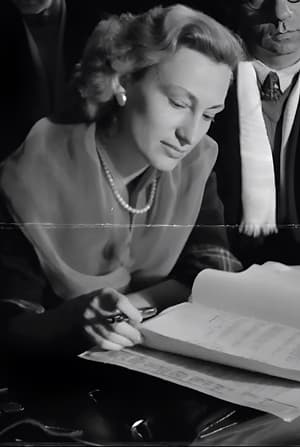
In 1977, after a fourteen year dry spell, the novelist Barbara Pym was nominated for a Booker Award for her novel, Quartet in Autumn. This drama documentary biopic sees Patricia Routledge as Pym and follows the day of the prize presentation, as she observes people and reminisces about life and love.
Retrospective on the making of "Mad Max 2".
The exit door of the Bataclan theatre, the site of Bansky's mural, The Sad Girl, is stolen mysteriously. After it abruptly appears on of a hillside cottage in Abruzzo, French and Italian investigators unite to get to the bottom of the theft.
The cinema of Pernambuco is considered one of the most complex components of Brazilian cinema, particularly for its potency and creative style. The presence of women in filmmaking seldom holds the same historical notoriety as that of men, and the Pernambuco scene is no exception. In the context of "Amor, Plástico e Barulho" (Love, Plastic, and Noise), we find a film that serves as a testament to the marginalization of women in the creative industry, intertwining themes of consumption and the production of brega music. Hence, we use "Feminino e Barulho" (Feminine and Noise) as a means to share what we've learned. Renata Pinheiro has inspired us to craft a narrative that gives voice to those who need to be heard. We are here to showcase a glimpse of them and what they represent. "Feminino e Barulho" is a short film about love, femininity, sisterhood, and empowerment.
This is a two-hour in-depth exploration into the Hollywood musicals of the 1940s.
The Untold Story of the Suffragists of Newfoundland (1999) is a docu-drama celebrating the thirty year struggle by the women of Newfoundland to win the right to vote.
This film features highlights of MGM's productions from 1924 through 1943, in honor of the studio's twentieth anniversary.
This documentary tells the story of one of TV's darkest and most celebrated comedies, featuring cast interviews and extensive candid moments with creators Reece Shearsmith and Steve Pemberton. Cameras are admitted everywhere throughout the making of the show's final series, from the writers' room to the makeup trailer, from prop store to set design, making this the perfect farewell to the multi-award winning series.
A retrospective of documentary films by Donald Brittain offering a glimpse of the man and the restless energy that informed his work. Dedicated and hard-working Brittain left nothing to chance, driving himself and his colleagues at the NFB and the CBC until perfection was achieved, or until airtime -- whichever came first.
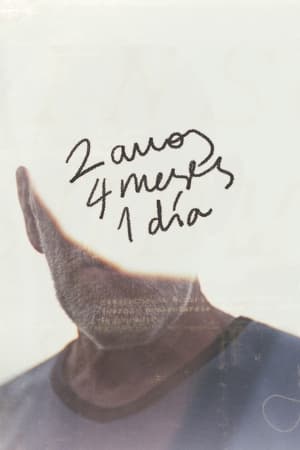
With no choice, César faced leaving his family behind, quitting his job and joining the Army. In an unprecedented chain of events he became the first conscientious objector in Galicia (Spain) to be put in prison. Now, nearly thirty years later, Two Years, Four Months, A Day takes a look at what made him do it.