In this documentary, we are invited to the mind of the elderly Hiam, a Palestinian woman from Nazareth. The mundanity of everyday life gives us a few sentimental glimpses of Hiam's past and present through the eyes of the filmmaker Juna Suleiman, her granddaughter.
Somber tides a cry from the species, startled into survival against the elements. One last breath before being trampled by the Earth or maybe conversely a battle to wage against winds and tides clutching on before extinction.
Based on real near-death experiences, the afterlife is explored with the guidance of New York Times bestselling authors, medical experts, scientists and survivors who shed a light on what awaits us.
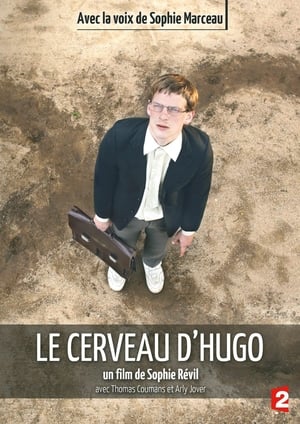
The Hugo's Brain is a French documentary-drama about autism. The documentary crosses authentic autistic stories with a fiction story about the life of an autistic (Hugo), from childhood to adulthood, portraying his difficulties and his handicap.
A cameraman wanders around with a camera slung over his shoulder, documenting urban life with dazzling inventiveness.
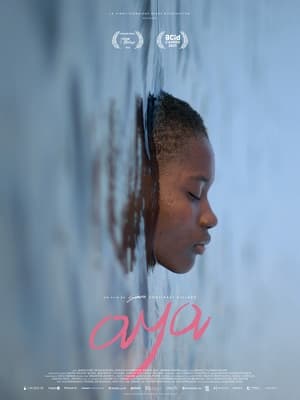
Aya grows up with her mother on the island of Lahou. Joyful and carefree, she likes to pick coconuts and sleep on the sand. However, her paradise is doomed to disappear under the waters. As the waves threaten her house, Aya makes a choice: the sea can rise, but she will not leave her island.
No mother has ever been as tender and powerful as the Virgin Mary who appeared to the Mexican Indian Juan Diego 500 years ago. Today, more than ever, Our Lady of Guadalupe shows her tenderness and power in so many places around the world. What seemed impossible happened. Why? Who made it possible? What secrets does the "Tilma" hold? Are these miraculous stories true? Thrilling historical reenactments take us to experience the apparitions as if we were actually there. Shocking testimonies from people in Mexico, the United States and other countries, add a universal dimension to Mary's crucial message. They reveal to us how the irresistible love of the Mother of God and of Humanity consoles and heals the wounds of the hearts of those who turn to Her.
L, a student in India witness to the government's violent response to university protests, writes letters to her estranged lover while he is away.
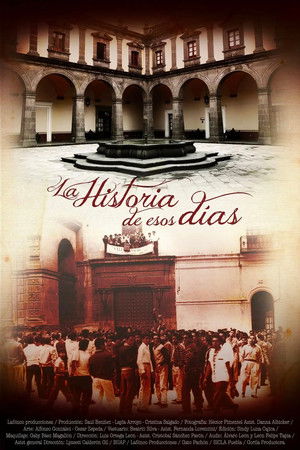
David turns the terrible 30s. He celebrates it with his friends from the town, those of a lifetime. They have not seen each other for a long time, although there is desire, something changes. The celebration becomes a reflection of their lifes and a memory of those who no longer come. A docufiction about the Millennial generation.
A revealing and devastating portrait of a trio of aspiring real-life Viennese models. Vivian will stop at nothing to be a magazine cover girl. Lisa fills her time with routine plastic surgery and cocaine binges, while innocent Tanja focuses on the mystical through tarot cards, yoga, and raw animal energy.
A metacinematic reflection on the nature of representation and the ongoing drug war in Mexico, Nicolás Pereda’s Flora revisits locations and scenes from the mainstream 2010 narco-comedy El Infierno, exploring the paradoxes of depicting narco-trafficking on film—its tendency both to romanticize and to obscure. To screen is both to project and to conceal.
In the 17th-century, St. Margaret Mary has been hand-picked by Jesus to be His special disciple of His Sacred Heart. Through a series of apparitions at Paray-le-Monial, Jesus reveals His Heart to her. Through the centuries, countless others have been drawn to encounter the transformative power and beauty of the Sacred Heart.
Badinter contre la peine de mort, le procès Patrick Henry
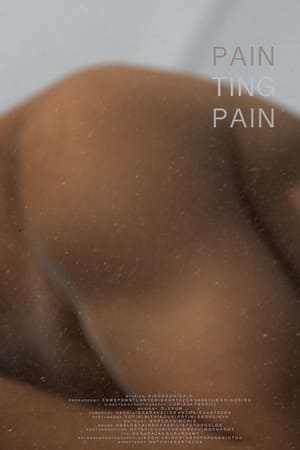
The film approaches the work of the Greek artist Nikos Koniaris. The particular way in which the painter depicts human suffering is presented through a film - a hybrid of real recording and directed material. The grief, the sick body, is reflected in self portraits, portraits of dying strangers and paintings of dead models. The paintings, apart from his work, also express a different version of himself. All together contribute to the depiction of man as a "garment of pain".
Robert J. Flaherty’s follow-up to Nanook of the North shifts from the Arctic to the South Seas, portraying Samoan village life with a painterly eye. Blending ethnographic detail with a romanticized “Gauguin idyll,” the film celebrates daily rituals, communal traditions, and the passage into adulthood, suffused with what Flaherty called “pride of beauty, pride of strength.”
Based on the model of documentary fiction (alternating period films, interviews and re-enactments with actors), the film begins on September 8, 1961 with the failure of the Pont-sur-Seine attack on a road convoy carrying Charles de Gaulle, then President of the Republic, and continues with the slow preparation, the occurrence and the consequences of the Petit-Clamart attack on August 22, 1962.
A village meeting in communist Russia to pay homage to Stalin leads to a gossip marathon, which develops into an endurance test for the participants.
Through our subject Adam, we reveal the incredible changes and forces that take all humankind from Cradle to Grave.
In this comedic docufiction, Javier (Javier Raphael) is a young man who has always wanted to be a football coach like his idol “El Chelís” (José Luis Sánchez Solá), but has never done anything to fulfill his dream. Now, guided by a nosy narrator (Jorge Pietrasanta), he will look for some of the most unorthodox amateur football coaches in Mexico, and for his beloved "Chelís", so that each one can give him lessons until he is fully trained to manage a match and thus become a true "Mexican football coach".
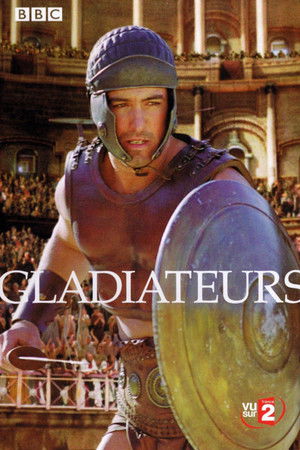
Colosseum: A Gladiator's Story