All the incredible diversity of animal life sprang from a single organism. Every animal, no matter how weird, is related to every other. And behind each species is an incredible story of the millions of generations that gave rise to it - every animal we know and love today sprang from creatures that looked nothing like it.
Whale Adventure with Nigel Marven
Chris Packham reveals the natural world’s surprising brainboxes and clever strategies.
An ambitious seven-year natural history series documenting six of the planet's most threatened ecosystems and meeting the people fighting to restore the Earth’s delicate balance.
Explore hidden corners of Earth with a trio of experts as they try to save six endangered species from extinction. With crafty camerawork and survival skills, the team race to find, record, and protect these elusive creatures before it's too late.
From first steps to first hunts, follow six rare baby animals as they learn survival skills and bring hope for the future of their species in the wild.
From Pete, David and Leila - the creators of History Time, Voices of the Past and Something Incredible. From dust to dinosaurs; come with us as we explore the entire history of our planet. History of the Earth tells the entire story of the Earth, from its formation 4.5 billion years ago to today – covering eye-watering geology and bizarre biology along the way.
There's nothing else like it. Chris Packham reveals the epic, four-billion-year story of our home - from its dramatic creation to the arrival of human life... and whatever's next.
See It Now is an American newsmagazine and documentary series broadcast by CBS from 1951 to 1958. It was created by Edward R. Murrow and Fred W. Friendly, Murrow being the host of the show. From 1952 to 1957, See It Now won four Emmy Awards and was nominated three other times. It also won a 1952 Peabody Award, which cited its
Angler and biologist Jeremy Wade uncovers the bizarre, the weird and the mysterious as he investigates baffling, unsolved mysteries beneath the surface of dark waters.
For several thousand years the moose have walked the same path to get to the rich pastures of summer. Follow the walk live from Kullberg in the north of Sweden.
Follows powerful matriarchs of the animal kingdom, spotlighting the universality of motherhood and exploring what mothers of any species will do to protect their young.
The breathtaking beauty of some natural sites should not obscure their role as unique ecosystems. Within them, animal species and nature live in harmony. Sadly, their wealth makes them a prime target for men’s greed. The fight to protect them is a relentless one, and the people who lead it have become true heroes of our time.
Polar Bear Week with Nigel Marven
Through unprecedented access we showcase the spectacle that is Wild Russia. From east to west, via mountains, volcanoes, deserts, lakes and Arctic ice, this breathtaking six-part series uses stunning cinematography to chart the dazzling natural wonders of this vast country.
Australia's biodiversity thrives in the diverse terrestrial and marine habitats that span the country. Lush rainforests offer a refuge for countless plants and animals, while the vast dry eucalyptus woodland is home to numerous specially adapted species. Kangaroos, wallabies and platypuses are just a few of the iconic animals that call Australia home, showcasing the country's evolutionary distinctiveness. Meanwhile, the waters surrounding the country support some of the most spectacular marine biodiversity on the planet. Vibrant coral reefs, seagrass meadows and rocky shorelines contribute to the country's rich marine tapestry. This is a unique world filled with stunning natural beauty, inhabited by some of the most extraordinary and deadly animals on the planet.
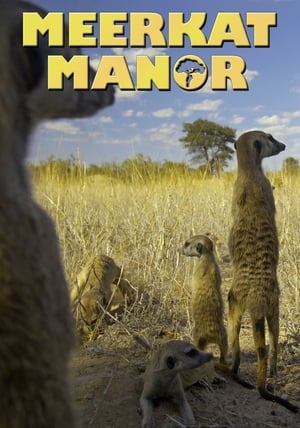
Meerkat Manor is a British television programme produced by Oxford Scientific Films for Animal Planet International that premiered in September 2005 and ran for four series until its cancellation in August 2008. Blending more traditional animal documentary style footage with dramatic narration, the series told the story of the Whiskers, one of more than a dozen families of meerkats in the Kalahari Desert being studied as part of the Kalahari Meerkat Project, a long-term field study into the ecological causes and evolutionary consequences of the cooperative nature of meerkats. The original programme was narrated by Bill Nighy, with the narration redubbed by Mike Goldman for the Australian airings and Sean Astin for the American broadcasts. The fourth series, subtitled The Next Generation, saw Stockard Channing replacing Astin as the narrator in the American dubbing.
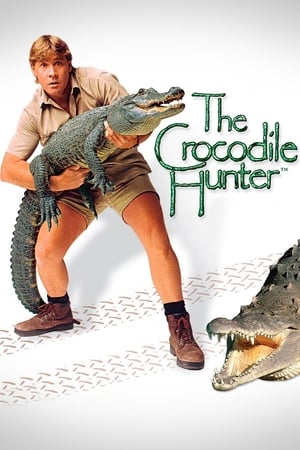
Australian host Steve Irwin and his wife Terri run a wildlife refuge. Their shared passion is educating the world about wildlife, including the much feared crocodile and numerous venomous snakes. Steve's specialty is the capture and relocation of crocodiles. No animal appears too threatening to Steve, his true respect for animals is the foundation for everything he does.
Deadly Disasters explores some of the most terrifying and destructive natural disasters to ever strike the planet, uncovering fascinating new details and packed with jaw-dropping footage.
The series takes viewers on the ultimate retreat—transporting them to a vast array of colorful and calming corners of the world. Viewers travel to blue glaciers, arid deserts, lush rainforests and pulsating metropolises to escape from the cacophony of everyday life.