Bleu, un océan de solutions
Despite overwhelming obstacles, life on Earth has evolved from the most humble of beginnings to a level of diversity that challenges human comprehension. The fittest have indeed survived -- even in places where no living creatures could be thought to exist. NATURE's six-part series presents the remarkable story of evolution and its survivors.
This four-part nature series reveals the extraordinary stories of Scotland’s secret wild places and the unexpected animals that live there. Scotland hosts a spectacular array of wildlife, from highland red deer, white-tailed eagles, red squirrels and pine martens to coastal dwelling puffins, grey seals, otters, and even killer whales. Stretching from the Shetlands to the south of the country, each episode focuses on how animals strive to survive through four very different seasons in one epic year, dominated by a maritime climate that’s both punishing and unpredictable, with their lives always at the mercy of the elements.
Islands can be home to the most extreme examples of life and the some of the most dramatic landscapes. Natural selection fuels evolution in the most extraordinary way. Isolated for hundreds of thousands of years, pockets of individuals survive, thrive and adapt to fill all available niches fuelling a rapid development of new species. Wildest Islands, a stunning five-part series featuring the world’s most spectacular island locations. Dive into the crystal clear waters of the Caribbean; journey through the lush forests of Zanzibar; discover the unspoilt environs of the Hebrides; and uncover the enduring wonders of the Galapagos Islands as Wildest Islands investigates the rich history of these pristine paradises.
Explore wild, wondrous Vancouver Island, where the ocean nurtures all life, from bald eagles who go fishing to sea wolves who swim in frigid waters.
Storm chasers, survivors and first responders recount their harrowing experiences with volcanoes, tornadoes, hurricanes and earthquakes.
Hottest Place on Earth
One force determines a country's fate more than any other: Water. Austria's love-affair with water has given her unique and amazing landscapes and biospheres, carved out by Alpine glaciers, ancient seas and mighty rivers, home to iconic animals like eagles, ibex, otters and deer. But this country has wildlife surprises, too. The days are gone when raging oceans brought giant sharks to her primeval shores, but there's an odd little survivor from those times: a three-eyed hermaphrodite, maybe the oldest animal on the planet. The tadpole shrimp lives in pools and puddles, until they dry out. Its eggs can stay dormant for decades or centuries, till water brings them to life. At a pinch, an adult can even fertilize itself - a single survivor guaranteeing future generations. Goldeneye ducks breed in abandoned woodpecker holes high in trees. Once the last sibling has hatched, the ducklings follow their mother in a leap of faith of up to ten meters to the river below. Two months later, they will finally learn to fly! The Bullhead, a fish that will never master the art of swimming, lives in brooks and creeks at up to 2,000 meters. It claws its way upstream, digging its fins into the gravelly riverbed. From ice caves, crystalline mountain springs and spectacular waterfalls, down to Lake Neusiedl, world-famous bird sanctuary on the edge of the endless Eurasian steppe: This epic two-part documentary celebrates Austria's most precious landscapes and her wildlife's unrivaled beauty.
Bill Pullman introduces and narrates this four-part documentary on the world's first national park, Yellowstone.
Experience the wonders of our world like never before in this epic series from Jon Favreau and the producers of Planet Earth. Travel back 66 million years to when majestic dinosaurs and extraordinary creatures roamed the lands, seas, and skies.
This documentary series about plants is the first immersive portrayal of an unseen, inter-connected world, full of remarkable new behaviour, emotional stories and surprising heroes in the plant world. Planet Earth from the perspective of plants.
Exploring the world of deep-sea killers, revealing mysterious creatures with amazing CGI.
A follow-up to the 1990 Radio 4 series in which the late Douglas Adams and Mark Carwardine travelled around the world in search of endangered species. 20 years later Stephen Fry and Mark Carwardine go back to see what has become of the animals in two decades, and to discover what has affected their fortunes.
A journey through the Australian landscape and the unique stories of the land, deepening our connection with nature.
Meerkat Manor is a British television programme produced by Oxford Scientific Films for Animal Planet International that premiered in September 2005 and ran for four series until its cancellation in August 2008. Blending more traditional animal documentary style footage with dramatic narration, the series told the story of the Whiskers, one of more than a dozen families of meerkats in the Kalahari Desert being studied as part of the Kalahari Meerkat Project, a long-term field study into the ecological causes and evolutionary consequences of the cooperative nature of meerkats. The original programme was narrated by Bill Nighy, with the narration redubbed by Mike Goldman for the Australian airings and Sean Astin for the American broadcasts. The fourth series, subtitled The Next Generation, saw Stockard Channing replacing Astin as the narrator in the American dubbing.
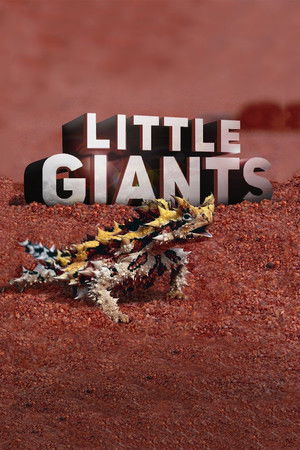
When one thinks of dominant animals that roam the earth, large predators - lions, grizzlies and titanic anacondas come to mind. But, pound for pound, the most powerful and awe-inspiring creatures are the elusive micro-monsters that exist just beneath our feet. Wildlife author & expert Bradley Trevor Greive and biodesigner Billy Almon venture to some of the most remote and inhospitable habitats in the world to track down these tiny beasts. Using state of the art equipment, they will measure the abilities of these creatures and present them in a way never seen before.
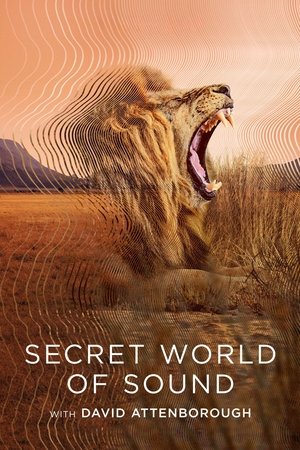
Anthony Morgan explores the extraordinary ways that animals hear and produce sound, and the crucial role sound plays in the lives of animals around the globe - from birth to surviving adulthood and finding a mate.
A showcase of the wonders, secrets and fragilities of the Americas, narrated by Tom Hanks.
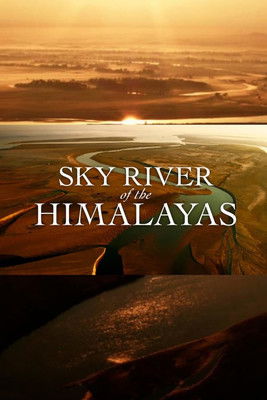
Travel the entire length of the Sky, the world’s highest major river, as it flows from the Himalayan mountains down to the Indian Ocean, passing Asia’s biodiversity hotspots and affecting more than a billion people along the way.
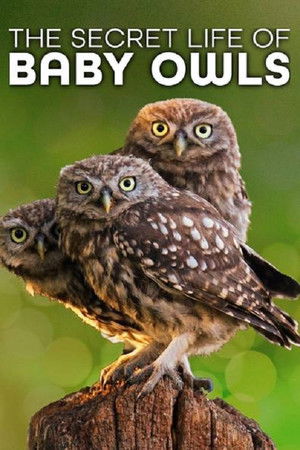
In a corner of rural Essex, England a former World War I airfield has been left wild for over 100 years and now provides the perfect habitat for all five of Britain's owl species.