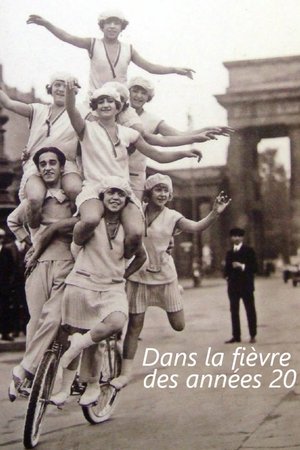
A century ago, the world experienced a revolution in mobility. Cities like Berlin grew rapidly, with the Graf Zeppelin soaring over the city in 1928, sparking excitement for airship travel. These majestic airships made ocean crossings faster and more luxurious, and even enabled polar expeditions. At the same time, automobiles and motorcycles became staples for many, although streets became congested. Women like Amelia Earhart and Elly Beinhorn broke barriers in aviation, inspiring new possibilities for both genders in the field of technology. While air travel grew in popularity, trains remained the main long-distance transport. The era also saw an explosion of new mobility options, with faster, cheaper ways to travel across the globe, making the world seem smaller and more connected. However, this golden age of mobility would be cut short by the outbreak of World War II.
Die wilden Zwanziger
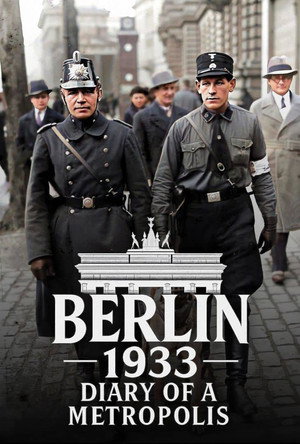
Berlin 1933 – Diary Of A Metropolis tells the story of how Berlin, the vibrant hub of modernity, became Germany's staunch capital city in step with the Third Reich. Contemporary journals, letters and documents, photographs and film material, form a dense collage of the dynamics of this collectively organised disaster.
Amour, haine et propagande
Verbotenes Begehren
Museumsinsel Berlin - Geschichte einer Nation
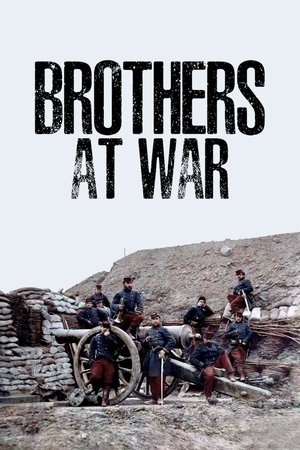
A look back at a cruel conflict, the Franco-Prussian War (1870-71), which changed the political geography of Europe and sowed the seeds of a deep antagonism between France and Germany that culminated in two world wars. Excerpts from the diaries of the witnesses, photographs and painted panoramas tell the truth about a forgotten war.
Of all the remarkable events of this century perhaps the most fascinating has been the spontaneous growth, flowering and then decay of a handful of great cities. These cities were places where art, culture and political liberties co-mingled with corruption, brutality and decadence. Everything and just about anyone could be bought and sold. The immigrant would struggle beside the artist. Gamblers, thieves and prostitutes co-habited with soul-savers, the rich and the powerful. The exhilarating combination of the seamy with the sublime made these places a magnet for all the lost souls and refugees of the world. Pushing the limits of tolerance and freedom, they defined the social, political and sexual culture of the 20th century. Their names ring out: Paris of the '20s, Berlin of the '20s and '30s and Shanghai of the '30s.
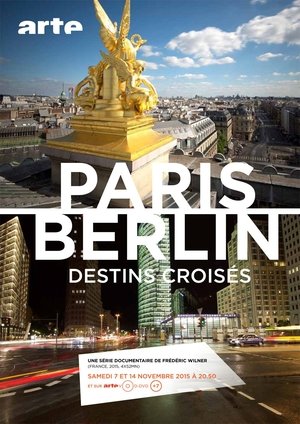
One of the oldest capitals in Europe - and one of the youngest: Paris and Berlin have fought, reconciled, influenced each other and together they have written an eventful history. The urban design still bears witness to this. The series tells the story of how the two cities have changed since 1650.
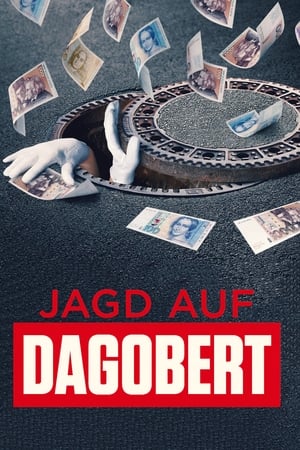
Jagd auf Dagobert
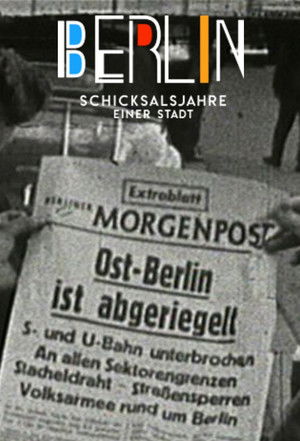
Berlin - Schicksalsjahre einer Stadt
99 envies d'Évasion - Berlin, Rome, Athènes
Buscando el Norte
Travel back to 1990s Berlin and discover the story of a family caught between bureaucracy, politics, and social exclusion, determined to build a new life in Germany.
West Germany, 1987. The politician Uwe Barschel (1944-87), member of the Christian Democratic Union party and Minister-President of the Schleswig-Holstein region, is found dead in very sinister circumstances. Reporter David Burger pledges to find the truth behind one of the most important political scandals in German history, investigating countless speculations and conspiracy theories as he fights his own personal demons.
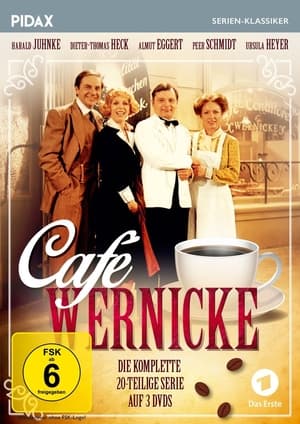
Café Wernicke
In 1946 Berlin, an American cop searches for his missing brother while helping a novice German policewoman fight the violent crimes engulfing the city.
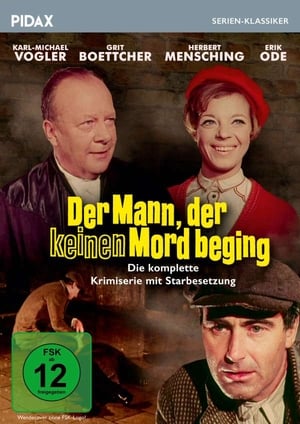
Der Mann, der keinen Mord beging
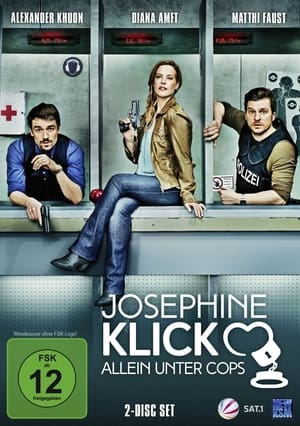
Josephine Klick – Allein unter Cops
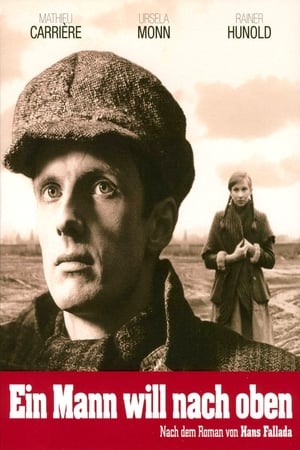
In 1909, Karl Siebrecht, who has just become an orphan, arrives in Berlin. The 16-year-old is eager to conquer the city for himself in just a few weeks. On the train ride there, he meets Rieke Busch, a girl from the working-class district of Wedding. She accompanies Karl from then on. But he soon realizes that he will have to start at the bottom. His path is characterized by small successes and setbacks. Only later does he make his breakthrough by founding a luggage transportation company. But once again, his success was short-lived as his business partner booted him out. Karl Siebrecht is faced with the ruins of his company. But he does not give up, finds new ways and seems to have achieved another breakthrough. But then the First World War breaks out...