Extinct for millions of years, dinosaurs continue to fascinate as scientists struggle to understand the creatures that went from domination to extinction seemingly overnight. This four-part documentary series attempts to provide some answers. From the badlands to the Yucatán Peninsula, paleontologists scour the earth to learn about the predatory habits of carnivorous dinosaurs, the land area required to feed a large sauropod and much more.
Explore mind-bending developments in basic science and math research. Quanta Magazine is an award-winning, editorially independent magazine published by the Simons Foundation.
Nausicaá : Dans les coulisses du plus grand aquarium d'Europe
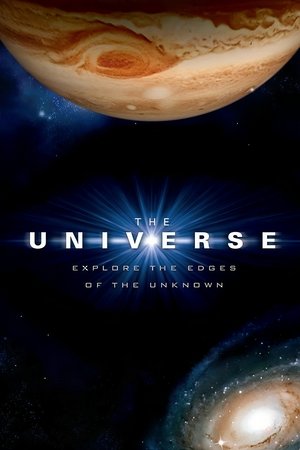
From the planets to the stars and out to the edge of the unknown, history and science collide in a wondrous yet deadly adventure through space and time.
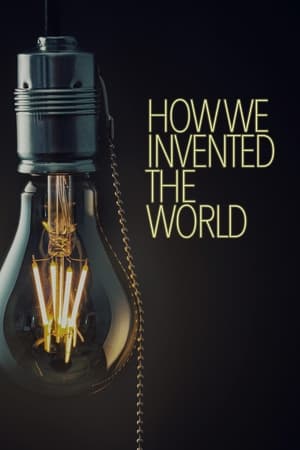
How We Invented the World is the ultimate action-packed, hi-energy, landmark series that examines the four inventions that define the modern world - mobiles, cars, planes and skyscrapers -celebrating the people and connections that made them possible. Each playing a crucial role in where we are now in the 21st Century - able to travel the globe, to talk to one another at any time at the push of a button, to live in huge cities, to commute, to capture the world we live in, making the fantasies we create come to life. This four part series lifts the lid on how these iconic inventions came to be. Showcasing the people who have shaped our lives in ways that they could have never imagined or anticipated, this series reveals stories of human ingenuity, extraordinary connections, unprecedented experimentation and jaw dropping accidents that created the world as we know it.
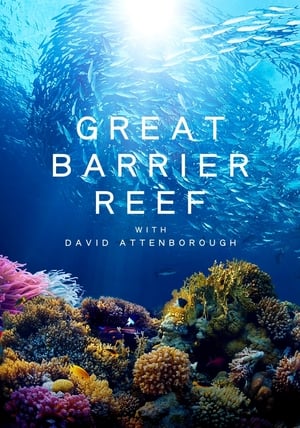
Following his visit to the Great Barrier Reef in 1957, naturalist and broadcaster David Attenborough returns and uses the latest filming techniques to unlock the secrets of the natural wonder.
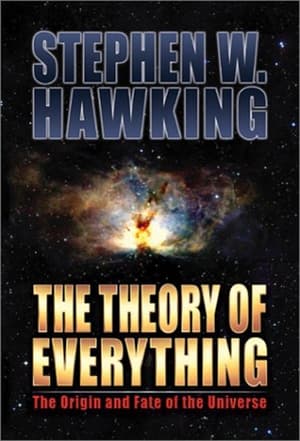
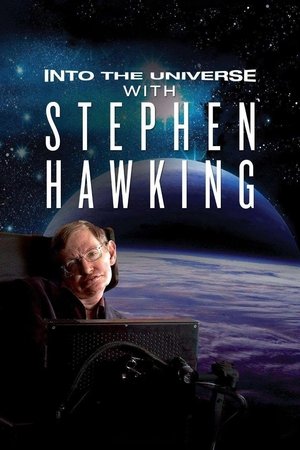
Hawking gives us the ultimate guide to the universe, a ripping yarn based on real science, spanning the whole of space and time -- from the nature of the universe itself, to the chances of alien life, and the real possibility of time travel.
Space Farmers
How does it work?
Life on Earth would not be possible without rain. Although water covers most of the earth, 97% of it is sea water. Rain supports life on land by supplying salt-free water that we can drink. Rain, or the lack of it has shaped and destroyed civilisations since antiquity, and now climate change is changing the patterns of rainfall with deadly effect.
A users' guide to the cosmos, from the Big Bang to galaxies, stars, planets and moons: where did it all come from and how does it all fit together? A primer for anyone who has ever looked up at the night sky and wondered.
Ufo - I casi italiani
Hell Below is an event-based series charting the stealth game of sub sea warfare, tracking the dramatic narrative from contact to attack of the greatest submarine patrols of World War II. From the rise of the Wolfpack to the drive for victory in the Pacific, we profile the strategic masterminds and the rapid evolution of technology and tactics, as the threat of undersea warfare brings every sailor's worst nightmare to life. Expert analysis and stock footage are woven with narrative driven re-enactments filmed on authentic Second World War era submarines to place the characters at the heart of the action.
Professor of physics Jim Al-Khalili investigates the most accurate and yet perplexing scientific theory ever - quantum physics.
See the world differently. Chris Packham shines a light on different aspects of our brains, helping neurodivergent people create beautiful films to explain how their minds work.
Submarines: Sharks of Steel
100 miles south of Atlanta, Dr. Hodges and Dr. Ferguson are two longtime friends who own and operate Critter Fixer Veterinary Hospital. Together with their loving staff, Drs. Hodges and Ferguson treat and care for over 20,000 patients. Between emergency visits to the office, and farm calls throughout rural Georgia - the Critter Fixers are constantly bombarded with unique cases you only see in the country.
Explore what it will be like to be human one million years into the future. Today’s brightest futurists, scientists, scholars and notable science fiction writers guide viewers through the very latest advances in technology, ideas and innovations that likely will power the evolution of our species.
A fascinating insight into the evolution of modern medicine as we explore the medical treatments for certain issues from past to present, seeing just how much we have learned through trial and error. The series is also a chance to see how medical advancements are currently used to treat problems in the fields of oncology, ophthalmology, dentistry, neurology, obstetrics and orthopaedics, and to see what the future may hold.
In the early 1900s, Albert Einstein developed an idea - called Relativity - that changed our understanding of reality. It explained how both space and time were flexible - and how the Universe was made of a four-dimensional fabric called space-time. This single idea gave us a new way to understand the force of gravity, explained how the stars were born and introduced us to the concept of the big bang. And, in the hands of Stephen Hawking, it allowed us to understand the most extreme monsters in the Universe - black holes. This two-part BBC documentary explores how two of the most famous scientists of the 20th Century transformed our understanding of the Universe - thus changing the world.