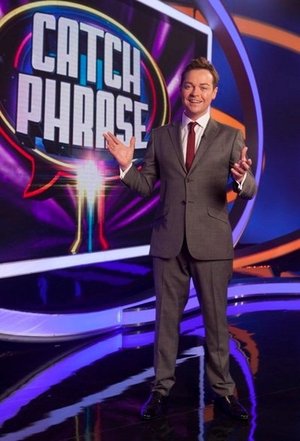
Catchphrase is a British game show based on the short-lived U.S. game show of the same name. It originally aired on ITV in the United Kingdom between 12 January 1986 and 19 December 2002. It was presented by Northern Irish comedian Roy Walker from 1986–1999; followed by Nick Weir from 2000–2002, and Mark Curry in 2002. In the original series, two contestants, one male and one female would have to identify the familiar phrase represented by a piece of animation accompanied by background music. The show's mascot, a golden robot called "Mr. Chips", appears in many of the animations. In the revived version of the show, the same format remains, but there are three contestants. In August 2012, it was announced that Stephen Mulhern would host a revived version of the show beginning on 7 April 2013. On 21 August 2013, it was confirmed that Catchphrase has been re-commissioned for a second series, following the success of the first.
A game show based on the Carmen Sandiego computer game series created by Brøderbund Software.
Hollywood Squares is an American panel game show, in which two contestants play tic-tac-toe to win cash and prizes. The "board" for the game is a 3 × 3 vertical stack of open-faced cubes, each occupied by a celebrity seated at a desk and facing the contestants. The stars are asked questions by the host, or "Square-Master", and the contestants judge the veracity of their answers in order to win the game. Although Hollywood Squares was a legitimate game show, the game largely acted as the background for the show's comedy in the form of joke answers, often given by the stars prior to their "real" answer. The show's writers usually supplied the jokes. In addition, the stars were given question subjects and plausible incorrect answers prior to the show. The show was scripted in this sense, but the gameplay was not. In any case, as host Peter Marshall, the best-known "Square-Master" and the man in whose honor the show's first announcer, Kenny Williams, actually "coined" the term, would explain at the beginning of the Secret Square game, the celebrities were briefed prior to show to help them with bluff answers, but they otherwise heard the actual questions for the first time as they were asked on air.
Sandhedens Time
The second version of the American television game show.
In a Temple filled with lost treasures and protected by mysterious Mayan temple guards, six teams of two children compete to retrieve one of the historical artifacts in the Temple by performing physical stunts and answering questions based on history, mythology, and geography. After three elimination rounds, only one team remains, who then earns the right to go through the Temple to retrieve the artifact within three minutes and win a grand prize.
Kroongetuige
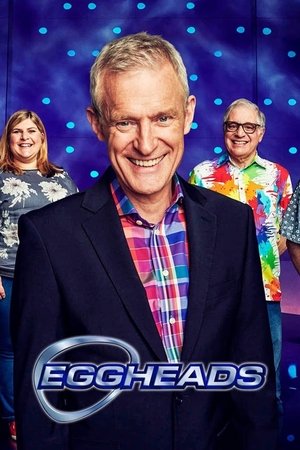
Britain's ultimate puzzler. At the start of each episode, six super smart strangers are split into two teams of three. The two teams try to accrue the most points through their powers of puzzling deduction. Every area of our player's mind will be tested across five puzzling rounds – In Other Words (language), Pressure Points (calculation), Rule Breakers (lateral thinking), Picture This (visual intelligence) and Memory Bank (memory). Then, in a dramatic plot twist, the winning team turn on each other to be named the ‘Best of the Best' and earn a place in the series Grand Final where the ultimate puzzler will be crowned.
Danish version of the British “Taskmaster” panel show in which comedians, actors and musicians (the contestants) must solve weird challenges in weird ways.
Quiz i en hornlygte
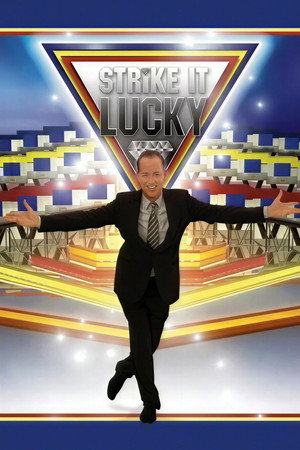
The show is divided into several segments, each one offering contestants prizes in return for achieving a set of challenges or game tasks given by the host. The prizes offered range from cars and motorcycles to gold, cash, vacation packages and household items. The show is funded by sponsors, advertisers and commercial brands
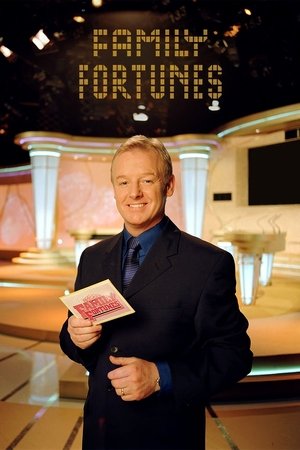
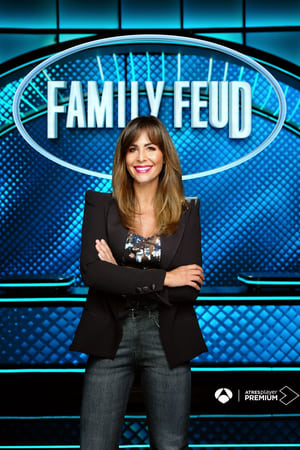
Two families go head to head as they try to name the post popular answer to survey-based questions posed to 100 people for a chance to win a jackpot prize.
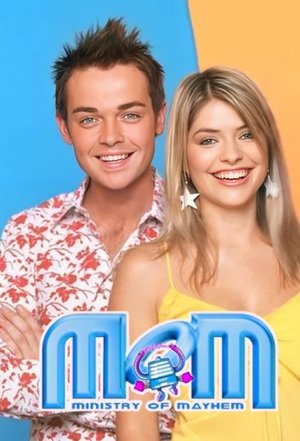
Holly & Stephen's Saturday Showdown is a CITV children's game show show which was broadcast on the ITV Network from January 2004 to July 2006.
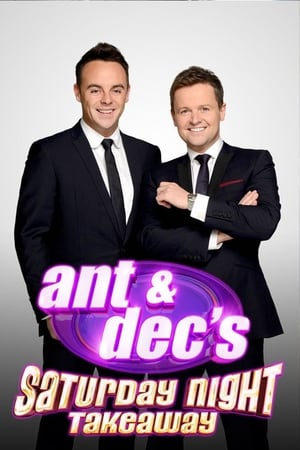
A gameshow hosted by Ant and Dec filled with stunts, sketches, and special guest appearances.
Eight pairs of Brick heads are pitted against each other in a quest to impress with their creativity, design and flair, driven by their unparalleled passion for the possibilities that will start with a single LEGO brick.
Hvem vil være millionær?
Three people claim to have different talents and skills and a celebrity panel will find out who is fake and who is real.
Tthree celebrity contestants and their children answer questions about each other to win up to £15,000 for a charity of their choice.
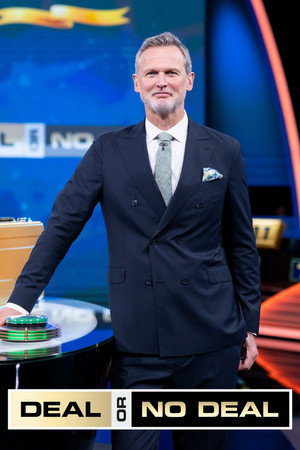
A contestant must choose from 26 sealed briefcases containing a marker for various amounts of cash from one penny to $1 million. The player then eliminates the remaining 25 cases one by one. The chosen ones are opened and the amount of money inside revealed. After several cases are opened, the player is tempted by the Banker to accept an offer of cash in exchange for not continuing the game and possibly winning a larger sum of money.
Hider in the House was a British children's game show presented by Jason King and Joel Ross. In the programme, a celebrity had to be hidden in a family's house by three children and a parent. If the family have fewer than three children, they use friends or related children to make up the numbers. The other parent of the family thinks they are taking part in a totally different programme. The children involved must undergo a series of tasks to win prizes which they will receive if the unaware parent does not work out what is really happening. The tasks are sometimes very messy or involve getting the unaware parent to do strange things. The format, was devised by Eyeworks UK, won the Best Entertainment prize at the 2008 Rose d'Or ceremony.