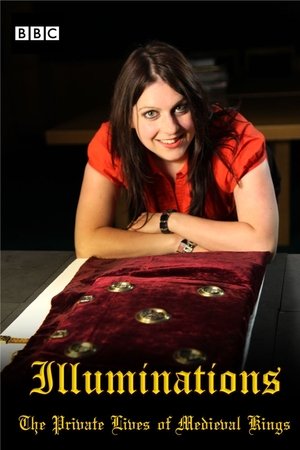
Tracy Borman reveals the intimate details of the monarchs, to find out what really went on in their private lives.
Historian Dr Helen Castor explores the lives of seven English queens who challenged male power, the fierce reactions they provoked and whether the term 'she-wolves' was deserved.
The Hundred Years’ war between England and France gave us the victories of Crecy and Agincourt, and made the reputations of Edward III and Henry V. It gave France a national heroine in Joan of Arc. But, even now, the jury is out as to its causes and outcome. Was it the final swansong of a redundant knightly class whose only reason for being was to fight? Was it a battle over ever more important territory to the emerging economies of England and France? Or was it the painful birth of two distinct national identities, forged through their long and violent divorce? Dr Janina Ramirez guides us through the stories of kings, great knights, bloody battles and cultural triumphs of this momentous conflict.
The BBC’s Platinum Jubilee coverage 2022 including: The Queen’s Birthday Parade Trooping the Colour, A Service of Thanksgiving, Party at the Palace and Platinum Jubilee Pageant
Lucy Worsley re-investigates some of the most dramatic chapters in British history. She uncovers forgotten witnesses, re-examines old evidence and follows new clues.
Stephen K. Amos and Susan Calman present a unique series in which LGBTQ people from across the UK talk about the objects that helped to define their lives over the past 50 years.
Michael Portillo celebrates the modern railway’s 200th birthday, revealing the journey that changed the world.
Jonathan Meades gives a personal perspective of British history.
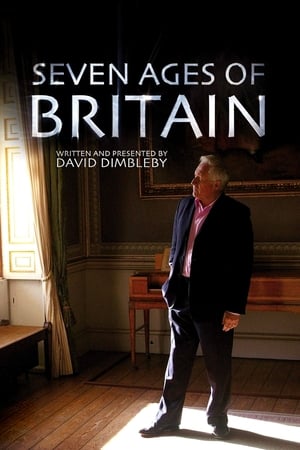
Seven Ages of Britain is a BBC television documentary series which is written and presented by David Dimbleby. The seven part series was first aired on Sunday nights at 9:00pm on BBC One starting on 31 January 2010. The series covers the history of Britain's greatest art and artefacts over the past 2000 years. Each episode covers a different period in British history. In Australia, all seven episodes aired on ABC1 each Tuesday at 8:30pm from 7 September 2010.
This 2-part documentary series reveals the truth about King Edward VIII's affair with American divorcée Wallis Simpson, and the espionage operation that accompanied the investigation.
Acclaimed historian Dan Jones tells the story of the dynasty who ruled England and much of France during the Middle Ages. More shocking, brutal and exhilarating than Game of Thrones, these events actually happened.
Lucy Worsley, chief curator at Historic Royal Palaces, explores how the physical and mental health of our past monarchs has shaped the history of the nation.
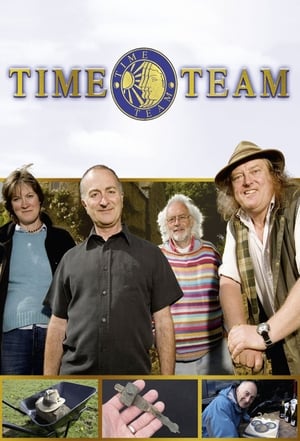
Time Team is a British television series which has been aired on British Channel 4 from 1994. Created by television producer Tim Taylor and presented by actor Tony Robinson, each episode featured a team of specialists carrying out an archaeological dig over a period of three days, with Robinson explaining the process in layman's terms. This team of specialists changed throughout the series' run, although has consistently included professional archaeologists such as Mick Aston, Carenza Lewis, Francis Pryor and Phil Harding. The sites excavated over the show's run have ranged in date from the Palaeolithic right through to the Second World War.
Andrew Marr's The Making of Modern Britain is a 2009 BBC documentary television series presented by Andrew Marr that covers the period of British history from the death of Queen Victoria to the end of the Second World War. It was a follow-up to his 2007 series Andrew Marr's History of Modern Britain.
Fiona Bruce fronts this eye-opening new three-part series on the stories behind Britain's official royal residences: Buckingham Palace, Windsor Castle and Palace of Holyroodhouse.
Happy birthday! Mary Berry is joined by famous friends to share memories and recipes. Celebrating the joy of food, they'll revisit old favourites and discover new delicious dishes.
Dr Alice Roberts follows a year of British archaeology, joining up the results of digs and investigations the length of the country.
In four chapters, largely based on and illustrated with archaeological finds and sites, Neil Oliver explains how, as far as is known, the Iron Age Celtic tribes known as the Ancient Britains evolved and entered European civilization. Their internecine tribal phase was warlike and partitioned. Overseas contacts, especially metal trade, brought wealth and progress. Ultimately, it attracted the superior Roman empire, which would conquer and pacify Britain into a province, like Gaul shortly before, but Caesar's invasion wasn't the definitive annexation yet, that was left to emperor Claudius; even afterward some Celtic traits and even rebellions remained.
Two-part landmark observational documentary with privileged access to Prince Charles and his private domain, the Duchy of Cornwall.
Historian Dan Jones explores the millennium of history behind six of Great Britain's most famous castles: Warwick, Dover, Caernarfon, the Tower of London, Carrickfergus, and Stirling.