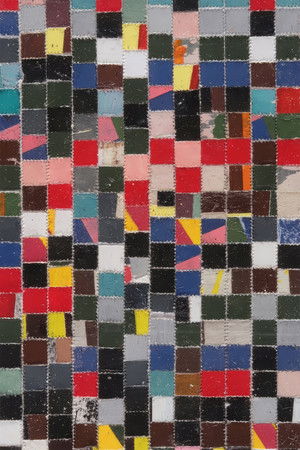
"An exciting experiment in the tradition of Oskar Fischinger (Komposition in Blau, 1935), Dwinell Grant (Composition No. 1, 1940) and Slavko Vorkapich (Abstract Experiment in Kodachrome, 1950s). Max Hattler presents a well-done interaction between music and moving images. Space is turned upside down and the animated objects become faceless dancers in a constructivist ballet." Vienna Independent Shorts 2010, jury statement by Anton Fuxjäger
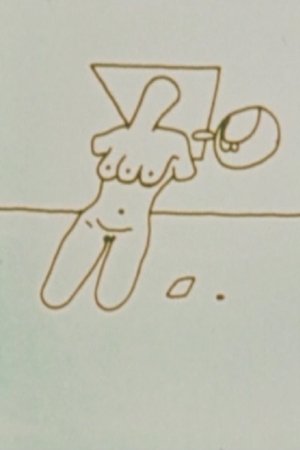
In Flesh Flows we see a balance of Beckett’s keen drawing ability, in the probing erotic forms, and his technical acuity, which transforms the carnal images into a compelling, transcendent experience. Preserved by the Academy Film Archive in partnership with iotaCenter and National Film Preservation Foundation in 2007.
The story of Adam and Eve with jazzy music. Short experimental animation without words.
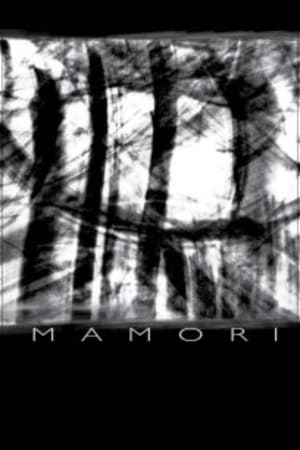
Mamori transports us into a black-and-white universe of fluid shapes, dappled and striated with shadows and light, where the texture of the visuals and of the celluloid itself have been transformed through the filmmaker’s artistry. The raw material of images and sounds was captured in the Amazon rainforest by filmmaker Karl Lemieux and avant-garde composer Francisco López, a specialist in field recordings. Re-filming the photographs on 16 mm stock, then developing the film stock itself and digitally editing the whole, Lemieux transmutes the raw images and accompanying sounds into an intense sensory experience at the outer limits of representation and abstraction. Fragmented musical phrases filter through the soundtrack, evoking in our imagination the clamour of the tropical rainforest in this remote Amazonian location called Mamori.
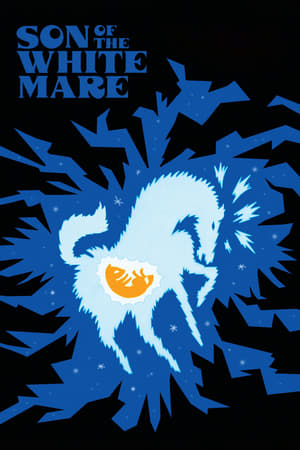
A horse goddess gives birth to three powerful brothers who set out into the Underworld to save three princesses from three evil dragons and reclaim their ancestors' lost kingdom.
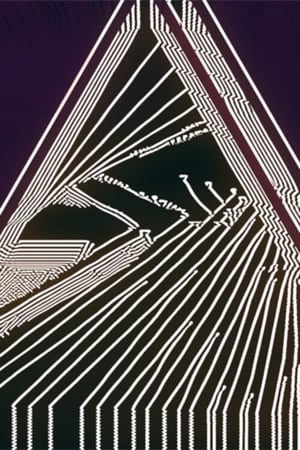
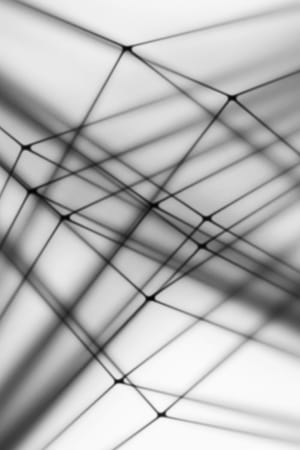
Repetition and distortion drive this audiovisual collaboration between composer Lux Prima and visual artist Max Hattler, where fuzzy analogue music and geometric digital animation collide in an electronic feedback loop, spawning arrays of divisional articulations in time and space.
The screen is divided again and again until the picture arranged in ever changing strips bursts into whirring dynamic.
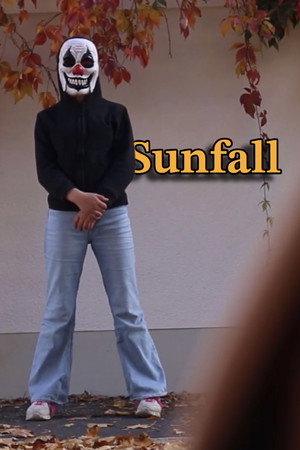
A girl sitting on an autumn leaf-filled sidewalk communicates with a mysterious figure across the street.
A vibrant animation by Patricia Marx. Preserved by the Academy Film Archive in 2000.
Odds & Ends is a sly comment on the collage film and Beat culture. To discarded travel and advertising footage found at a local film laboratory, Belson Shimane added a mélange of animation—assemblages, cutouts, color fields, and line drawings—and faux hipster narration by Jacobs (credited via the anagram Rheny Bojacs) punctuated by a bongo backing. Strung together with doublespeak and non sequiturs, the monologue skirts the edge of nonsense as Jacobs waxes on about poetry, jazz, “reaching the public,” “having a good time,” and—although “money doesn’t count”—the “possibility of subsidy” through grants. Footage of champagne, tropical beaches, and exotic peoples intermingle with rhythmic drawings and stop-motion flights of fancy. The visuals race on through dazzling transformations, both amplifying and undercutting the patter. —National Film Preservation Foundation. Preserved by the Academy Film Archive in partnership with Iota Center Collection in 2006.
The world shifts subtly while silent watchers already understand.
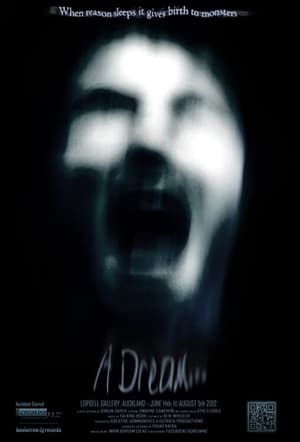
A Dream... is an abstract, horror piece that explores the subconscious mind of modern, western man, touching on cultural guilt, self deception, and maintaining individuality in an impersonal world. The work is inspired by the writings of Franz Kafka.
The weird hand creatures undergo different transformations in synchrony with the music.
Hand painted directly onto film stock by Margaret Tait, this film features animated dancing figures, accompanied by authentic calypso music.
Serlasanha
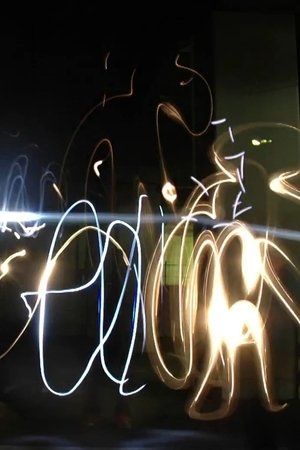
Astract stop-motion short film using "lightning doodles" by Tochka.
A mathematical play on one repeated movement. It imparts a sense of possibilities: that something simple can produce complex and unexpected patterns. As with an atom, the variety of possibilities from a base movement is potentially infinite.
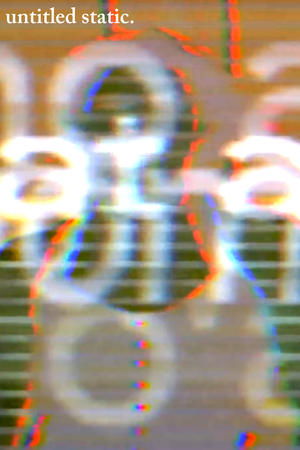
A visceral journey through dysphoria in the internet age.
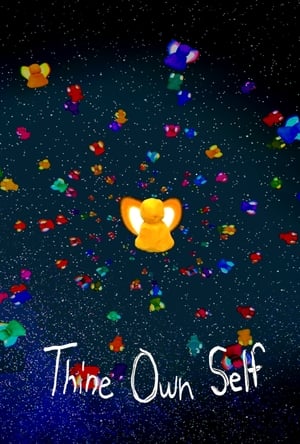
Torn from their home by a hand in the sky, colorful entities seek freedom from a rigid binary in this short experimental animation.
Peter Larsson’s Keyhole Conversation draws the eye down to the small gate of the camera. From there, through quivering and percussive forms of direct and stop-motion animation, the eye begins to experience the scale of an image anew. At times segueing into a flicker, but maintaining a charmed form of attention to the marks of pencils and the channels dredged in emulsion by a paintbrush, all to a curious soundtrack of pulses and bleeps.