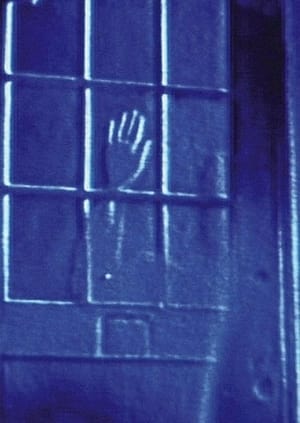
A little nachtmusick, a deep blue overture to the series. Breathing in the cool night airs, breathing out a children's song; then whispering a prayer for a night of easeful sleep. Preserved by the Academy Film Archive in 2012.
‘A beautiful, mysterious yet satisfying optical illusion…celebrates the early passing of a steam on the Thames. Using freeze-frame techniques, elaborate dissolves, and most of the resources on the optical table, this picture is, amongst other things, a Turner come to life. Rimmer’s concern with the surface nature of the film is most evident in this work which, in spite of its filmic complexity, is incredibly simple.’ — Donald Richie. Preserved by the Academy Film Archive in partnership with Pacific Cinematheque in 2013.
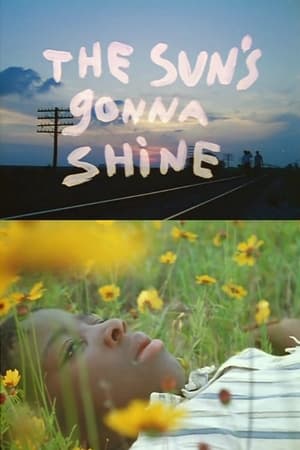
A lyrical recreation of Lightnin’ Hopkins’ decision at age eight to stop chopping cotton and start singing for a living. Preserved by the Academy Film Archive in 2013.
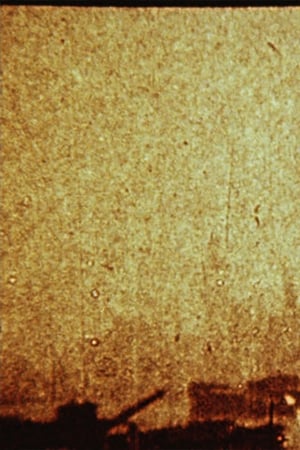
A “found object of paint and mold” given to Brakhage by the poet David Meltzer. According to Jane Brakhage, Stan did nothing to it but see it, splice it, and add titles. (From Barrett and Brabner. Stan Brakhage: A Guide to References and Resources)
"Taken between September 1970 and May 1971, with the unmoving camera apparently bolted to the window ledge, this film, a ten-minute eternity, chronicles what takes place within view of the lens. The backdrop is a typical New York pizza stand, the actors are selected New Yorkers who happened to be there during the half year, the plot is the somewhat sinister aimlessness of life itself." - Donald Ritchie, Museum of Modern Art, NY. Preserved by the Academy Film Archive in 2014.
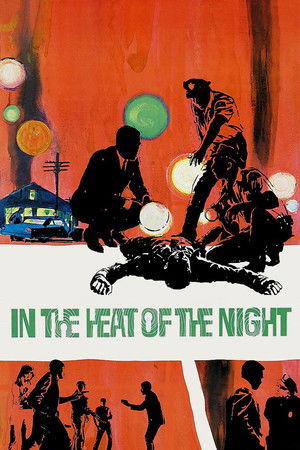
African-American Philadelphia police detective Virgil Tibbs is arrested on suspicion of murder by Bill Gillespie, the racist police chief of tiny Sparta, Mississippi. After Tibbs proves not only his own innocence but that of another man, he joins forces with Gillespie to track down the real killer. Their investigation takes them through every social level of the town, with Tibbs making enemies as well as unlikely friends as he hunts for the truth.
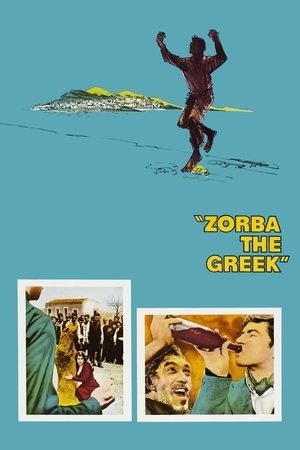
An uptight English writer traveling to Crete on a matter of business finds his life changed forever when he meets the gregarious Alexis Zorba.
Musing on the past and the present, on roads not taken and the road I was already on. For Jeanine Hayden and her son Jeff, wherever you are. Preserved by the Academy Film Archive in 2012.
Film of "Dropped Objects" falling from 8,000 ft. altitudes with skydivers as performers. This film of a conceptual artist's work is a document of Skyworks but also meant to be expressive as an art film. A film of meditation revealing the cosmic breath as Skyworks pieces fall at the rate of 120 to 135 miles per hour. A breathing language of light and knowledge. Performance-controlled flight. Gyres cycling in and out - the mystic spiral. A perception of light and space as energy lines alter the environment temporarily. Preserved by the Academy Film Archive in 2016.
A rapid fire montage, a dynamic juxtaposition of the world’s vital and destructive forces, the title originating from a Chinese text which refers to the Third Eye. Close up shots of the various faces open and close the film, the very last shot holding on the innocent face of a young child. Preserved by the Academy Film Archive in 2014.
A documentary abstraction recorded at night in Los Angeles backed by the music of Stockhausen. It is a preliminary effort to organise camera and audio images through a cybernetic editing model and a digital computer. Preserved by the Academy Film Archive in 2013.
Animated short film. Preserved by the Academy Film Archive in 2009.
A Korean War vet returns to his job as a railroad engineer and becomes involved in a sordid affair with a co-worker's wife following a murder on a train.
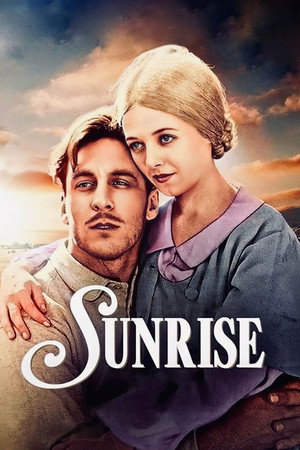
A married farmer falls under the spell of a slatternly woman from the city, who tries to convince him to drown his wife.
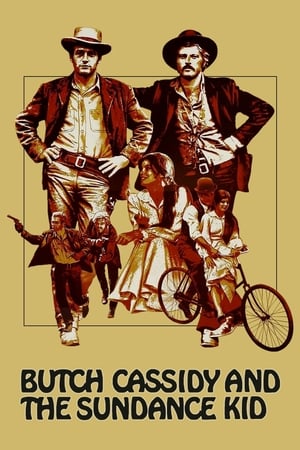
As the west rapidly becomes civilized, a pair of outlaws in 1890s Wyoming find themselves pursued by a posse and decide to flee to South America in hopes of evading the law.
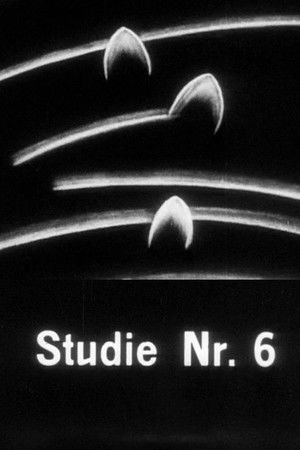
The first Studies were synchronized with records (Fischinger made a total of 13 Studies all without sound). It was only with the introduction of sound, beginning with Study No 6 that the films did full justice to this musical principle. The play of the white lines, the arcs, and the upside-down U’s running hither and thither like ballet dancers was brought into perfect synchronization with the music, and thus the films offered an abstract illustration of the melodies. Study No 6 is certainly the best of his films in terms of forms. - Hans Scheugl and Ernst Schmidt, Jr. Preserved by the Academy Film Archive in 2001.
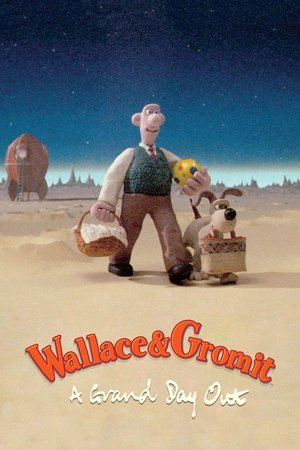
Wallace and Gromit have run out of cheese, and this provides an excellent excuse for the duo to take their holiday to the moon, where, as everyone knows, there is ample cheese.
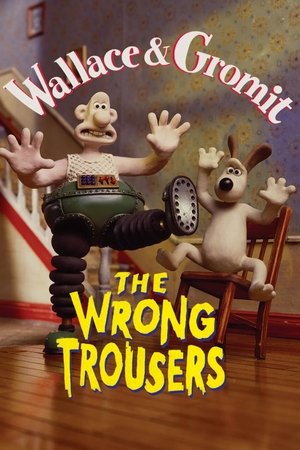
Wallace rents out Gromit's former bedroom to a penguin, who takes up an interest in the techno trousers created by Wallace. However, Gromit later learns that the penguin is a wanted criminal.
Wallace's whirlwind romance with the proprietor of the local wool shop puts his head in a spin, and Gromit is framed for sheep-rustling in a fiendish criminal plot.
Produced by the Army Pictorial Service, Signal Corps, with the cooperation of the Army Air Forces and the United States Navy, and released by Warner Bros. for the War Activities Committee shortly after the surrender of Japan. Follow General Douglas MacArthur and his men from their exile from the Philippines in early 1942, through the signing of the instrument of surrender on the USS Missouri on September 1, 1945. Preserved by the Academy Film Archive in 2013.