"Huangyangchuan, Gansu province, China. It's an arid mountain area with poor roads. Ma Bingcheng is well-respected local doctor, so many patients (most of them farmers) come to see him every day. In his small clinic, people chat with each other about their lives, local conditions, or the people they know. The clinic seems to open up like a microcosm, the information and experiences of different people intertwine, revealing the conditions of typical Chinese farmers, and the typical fates of both young and old--"
Chinese film directed by Zhang Ming,
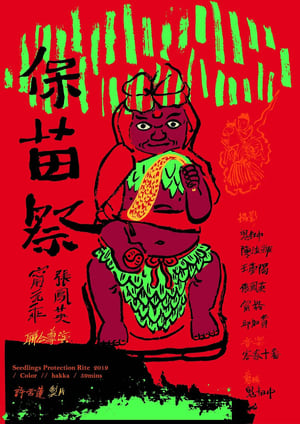
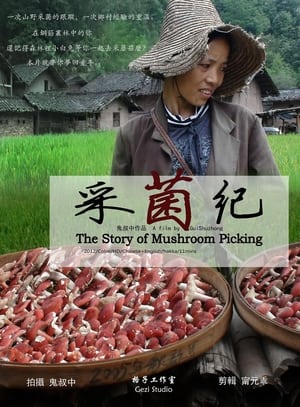
On the thirteenth of the first month of each year, Xiafang Village, Anle Township, even in the cold and rain, the Seven Saints Peregrine Falcons, who are shirtless, are powerful and mighty. During the 2008 Spring Festival, Uncle Ghost's desire to record terroir images was irresistibly teased.
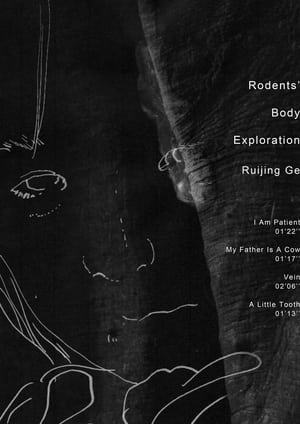
The father tells his daughter Nunu a lie that there is a cow in her milk cup. She believes it and drinks up milk, but there isn't any cow. Her father tells her a variety of lies, which Nunu finds increasingly difficult to believe.
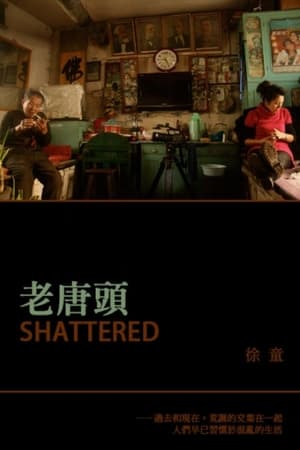
After "Old Tang Tou", Xu Tong continued to film the family of Old Tang Tou's son, Tang Laosan, in Northeast China. Tang Laosan was sent to prison for a murder case, and Tang Laosan's son, Xiaobao, unexpectedly encountered such a change in the year of his high school entrance exams, which made the fates of father and son both unpredictable.
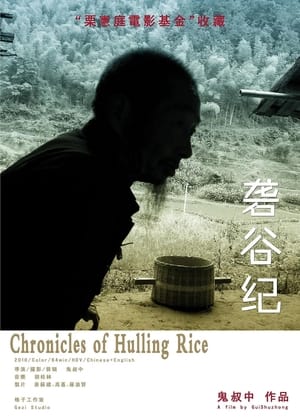
This is my second documentary film, and it is fully composed of old people. One woman, nearing 80, is living out the last two years of her life. From when she is still using a cane to walk, to when she becomes paralyzed. This is my grandmother. We also see other elderly people from the village, their daily activities, the tales of their starvation from 50 years ago.
It is the director's second documentary of "my village" series since she got involved with the "Folk Memory Project". She returned to her hometown to shoot footage, recording the realities she encountered in her search for memories. Her biggest question is: after experiencing the disaster of the tragic famine fifty years ago, the villagers now are not short of food, and are living a better life than before, but is the spirit of this village still starving?
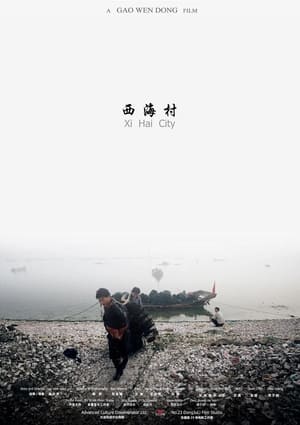
Part mournful meditation through documentary footage, part experimental narrative. This film looks at the life of the Chinese who have been displaced within their own society.
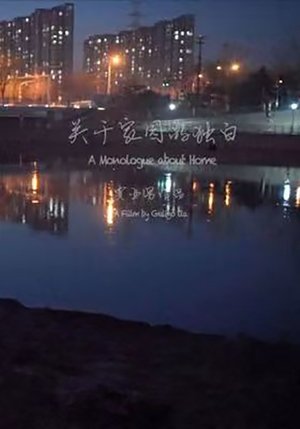
The pool table faces shattered statues. Nobody. Broad fishnets drape crumbling walls. Nobody. Bikes chained to pillars. Nobody. Three caryatids gunned down. Nobody. The asphalt sea will surge here soon. Nobody. On the beach, one horse. Nobody. If you stand here, you're an extra, nobody. Nobody, nobody keeps watch at home.
Zou Xueping continues to interview old people in her village, this time with the help of local children. They start collecting names and money to erect a memorial for the victims of the famine.
Truth becomes fiction when the fiction's true; Real becomes not-real where the unreal's real. ——The Story of the Stone
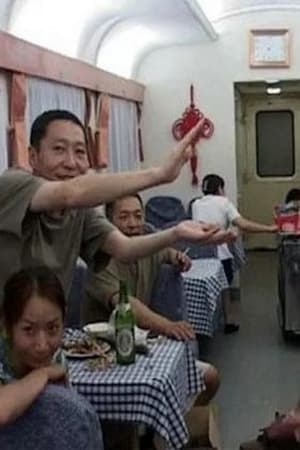
Carriage
An 8-year-old boy searching for fireworks on a Chinese New Year's Eve, after the firework ban is introduced in this southern Chinese town.
Zhang Ming went back to his hometown Wushan to record the last images before it being changed forever by the upcoming Three Gorges Dam.
Originally conceived as the film for government propaganda but couldn't pass the censorship. Five punks found Dong Jianguo, a millionaire wearing the dog chain being trapped in the trunk. They kidnapped the millionaire and started to konw the love story between Dong Jianguo and a woman called Bobo.
Luo Liang, a young man trying to meet the expectations of family and work, has come to town looking for something better but is unsure of his lot in life.
The location of Hunan's southwestern Hunan, the local economy is not active, the people either go out to work or go up the mountain to mine. Due to the constant mining disasters, despite the government's efforts to rectify and regulate, many people still illegally mine. Miners often do not pay attention to the protection of mines. Many years later, many miners have pneumoconiosis. The film started shooting in 2010 until 2018, with a filming period of nearly ten years, until the death of Zhao Pingfeng, the protagonist of pneumoconiosis, leaving young children and mentally handicapped wife.
Poet Wolf (Lang) chose to starve himself to death, in a beautiful flower blossoming Spring. This is a poetic, aesthetic and brutal film that adapted from the true stoy of Poet Wo Fu's suicide.
The old man who has no dreams, forgets the dream of the dream, said that the dream of being educated, the child who is chasing dreams in the streets, can we really have a dream? In front of the new crisis that has aroused the new crown virus, I came to Yunnan with a camera, I hope I can reactivate my movie and a few musician friends who have already realized it is facing new challenges. In Kunming City, a child of a roadside stall, every day, like a beast is usually playing in the road of the car, only six years old, he has not started to go to school, and his parents did not take care of him. . And when they said their dreams, the dream of teaching with strong people, and it is incorporated with this. The dream of spiritual medicine may not exist at all, but it is really a tragedy, and the tragedy is staged daily.
I came to the "90 km-long traffic jam, road transport of coal (news)," the Shenmu and Fugu, Coal makes this town less than one million people among the Chinese economy in the forefront. And arrived here three days later, Pass me a tramp pointing to the front for me, "in front of you can find a dream." I gave up being shocked shoot spectacular traffic jam events. I start shooting those who rub shoulders with Seoul before, Children, adolescents, youth, middle-aged, elderly. We talked about the harsh reality of the real Titanic, We are also talking about the illusory ideals, My ideal also quietly began to grow from here.