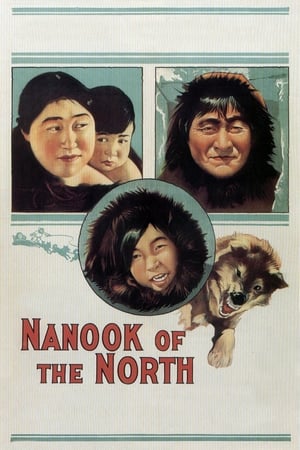
This pioneering documentary film depicts the lives of the indigenous Inuit people of Canada's northern Quebec region. Although the production contains some fictional elements, it vividly shows how its resourceful subjects survive in such a harsh climate, revealing how they construct their igloo homes and find food by hunting and fishing. The film also captures the beautiful, if unforgiving, frozen landscape of the Great White North, far removed from conventional civilization.
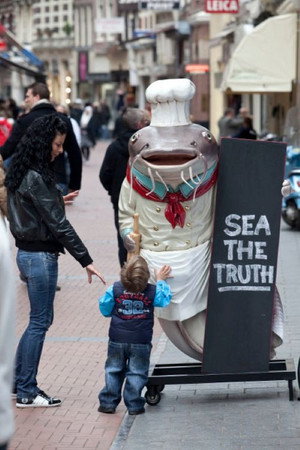
Jak se žije s českou rybou podle Jána Piroha
Ráj rybářů
Dewey Winfield is a lovable loser who wants nothing more than to beat the guy who has bullied him his whole life in a big fishing tournament. In order to win, Dewey will need the help of some eccentric senior citizens who are about to be evicted from their assisted living home. When they all go fishing, comedy ensues - tragedy strikes - and Dewey discovers that his hopes and dreams of winning the fishing tournament may not be the most important thing in life after all.
In 1965, on the Eastern Shore of the Chesapeake Bay, there was the last operating fleet of sailing work boats in the United States. Forty-odd "Skipjacks" were still used by Maryland watermen to dredge up oysters from the Bay. At that time, the fleet had survived because of a Maryland conservation law which prohibits the use of motor power for oyster dredging. The watermen traditionally marked the opening of each oystering season with a skipjack race which the Maryland State Tourist Board incorporated into its annual "Chesapeake Bay Appreciation Day."
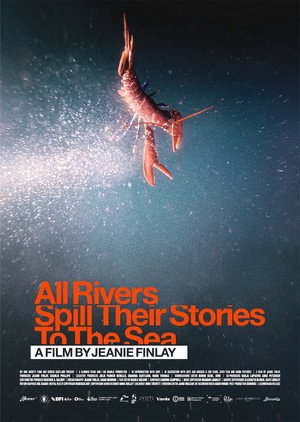
On England’s North East coast, where rivers, heavy industry and the sea have shaped lives for generations, fisherman Stan Rennie is watching the world he knows disappear. His family have worked these waters for generations. Then, almost overnight, thousands of dead crabs and lobsters wash ashore, and a community already living with uncertainty is pushed into crisis. Teesside filmmaker Jeanie Finlay brings warmth, wit and deep local feeling to this David-and-Goliath story of environmental damage, official evasions and working-class resilience. At its centre is Stan: funny, stubborn, vulnerable and increasingly determined to be heard.
Experience a year in a classroom in Ilulissat, where kids have each others' backs, participate in exciting activities and navigate friendships and challenges in their daily lives.
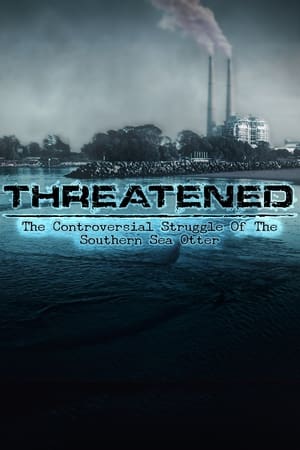
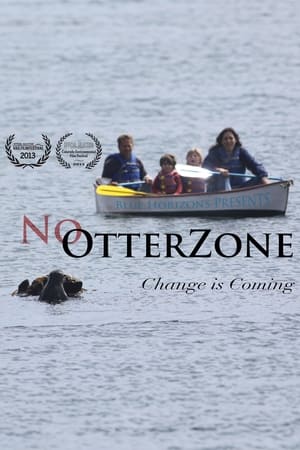
Sea otters are once again in peril after being brought back from the brink of extinction. An unprecedented number of sea otter deaths have occurred along the California coast in the last three years. Meanwhile, the Fish & Wildlife Services decision to eliminate their No Otter Zone from Southern California waters remains controversial. This fragile species threatened by pollution, infectious diseases, starvation, and competition with fishermen struggles for survival.
The Southern Sea Otter was historically abundant along the California coastline until intense hunting pressures reduced their numbers to near-extinction levels. But now the otters are coming back, and with them they bring the potential for drastic change to the modern-day economics and ecology of the Santa Barbara Channel.
Harvey, the arrogant and spoiled son of an indulgent absentee-father, falls overboard from a transatlantic steamship and is rescued by a fishing vessel on the Grand Banks. Harvey fails to persuade them to take him ashore, nor convince the crew of his wealth. The captain offers him a low-paid job, until they return to port, as part of the crew that turns him into a mature, considerate young man.
Louisiana filmmaker, Pat Mire, teams up with veteran filmmaker and cinematographer, Charles Bush, to capture the natural drama of handfishing in this award-winning documentary. Highly visual, the film examines the thrilling regional phenomenon of Cajuns who wade in murky bayou waters to catch huge catfish and turtles by reaching into hollow logs and stumps with their bare hands. Friends and family accompany the handfisherman to the bayou banks for Cajun music, festive cooking, and storytelling, and to witness this increasingly rare tradition. Told from the inside with multiple voices, Mire and Bush explore the chain of events set off by man's attempt to "improve" his environment by dredging bayous in this remarkable study of the relationship between cultural and natural resources.
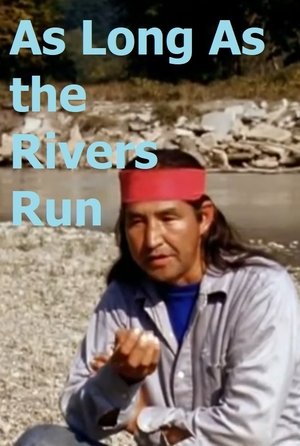
Examines the violence and civil disobedience leading up to the hallmark decision in U.S. v. Washington, with particular reference to the Nisqually Indians of Frank's Landing in Washington.
This is the planet we still know so little. We call it Earth but less than 1/3 is land, over 2/3 is water and we use that water as a dumping site for our waste and as if it's an inexhaustible "horn of plenty" for humans. Our most important ecosystem is on the verge of collapse unless we act now. At this very moment the main problem with the oceans is that they're getting emptier and emptier. If we don't do anything then we face one of the biggest disasters in history of mankind.
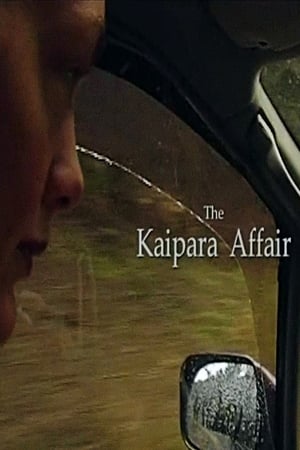
A documentary about the threat posed to New Zealand's Kaipara Harbour by rapacious commercial fishing and development.
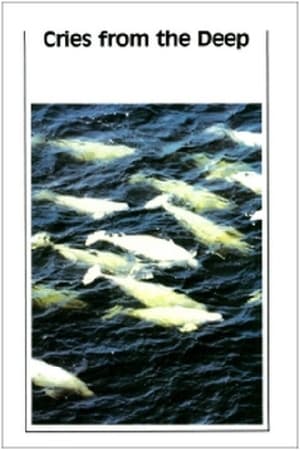
This documentary records the journey undertaken by Jacques Cousteau, his 24-member team, and an NFB film crew to explore the Grand Banks of Newfoundland, one of the world's richest fishing areas. They discover shipwrecks, film icebergs and observe beluga whales, humpback whales and harp seals. The film also includes a fascinating sequence showing Calypso divers freeing a calf whale entrapped in a fishing net.
A puppet-starring fish story. When their car breaks down in the middle of nowhere, a mother and son wind up in Lunker Lake, a small fishing community that "you've got to be lost to find." The town is abuzz over the upcoming fishing contest, since the winner gets to decide the water level of the lake for the coming year. Naturally, there's a mean, rich bad guy in town who wants to win by any unscrupulous means possible so he can flood the town for his own advantage. But the town's best fishermen -- with the help of the newcomers -- may yet prevail.
Documentary about Japanese pearl fishers.
Two friends, both Indigenous fishermen, are driven to desperation by a dying sea. Their friendship begins to fracture as they take very different paths to provide for their struggling families.
Through economic necessity, an Aran Islander is forced to travel to England to work on building sites so that he can earn money to support his family back on the Islands.
‘Onobiren: A Woman’s Story,’ follows Roli, a young woman who arrives in Lagos from Warri under the shadow of tradition and expectation. What begins as a familiar narrative quickly transforms when she chooses a different path, one driven by purpose, survival, and self-discovery.