Copos D'Água
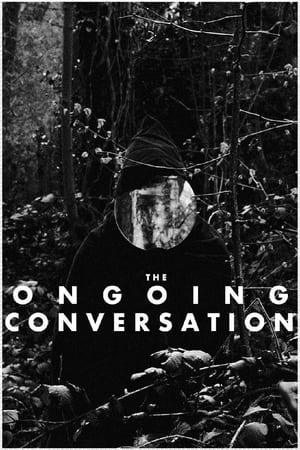
An Editor recounts the diaries of a failed film production as they attempt to construct a new narrative from the remaining footage.
Canceled short film.
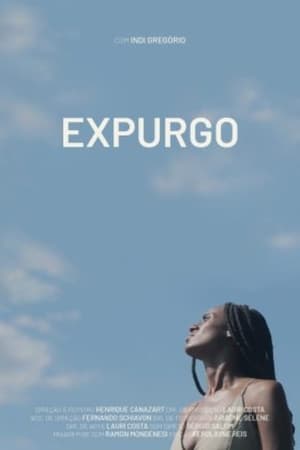
A woman finds herself in a distorted reality, walking through a labyrinthine space. Seeking to leave this place, she faces and gives new meaning to her memories so she can move on.
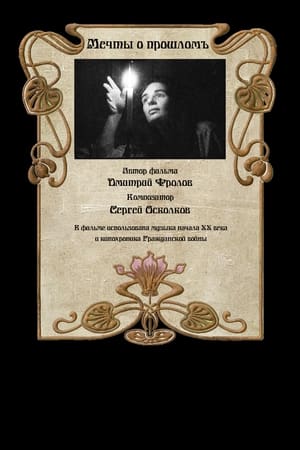
A film about peace, love and war. Dedicated to the 100th anniversary of the end of the Civil War in Russia. The film takes place at the end of the summer of 1917, when Russia and the whole world were at a crossroads between two eras. None of the people could even imagine how much his life would change in the very near future. In a strange way, the atmosphere of the film echoes our current reality and what is happening in Russia today. According to the form of visualization, the film belongs to experimental mockumentary cinema. To give greater authenticity to what is happening on the screen, the shooting was carried out on black-and-white negatives of 16 and 35 mm, hand-operated cameras were used and the material was developed in manual spiral tanks. The documentary chronicle of the Kolchak army of 1919 and the White army in the Far East of 1922 is embedded in the finale of the film.
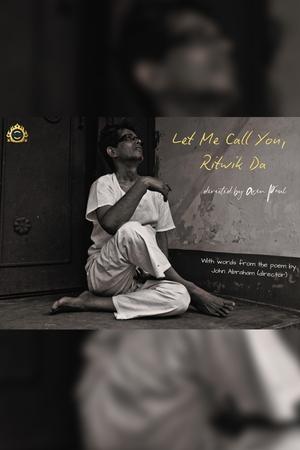
A poetic and experimental short film by Arin Paul, Let Me Call You, Ritwik Da pays tribute to Ritwik Ghatak, inspired by a poem by director John Abraham. Blending evocative imagery and voice-over, it explores Ghatak's legacy.
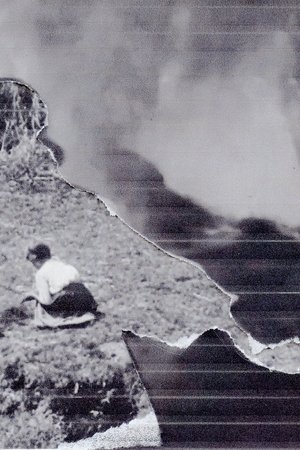
"We Go Past Future" is an experimental paper collage film by Anna Malina. The film reimagines a series of Soviet films from 1919 to 1953, blending them into a unique visual narrative.
Flódni
After a blackout, a woman struggles to escape the presence of her past.
In the land of the slides, three handicapped plot against people with two legs.
Moses searches for history into palletes.
Ägg
A man killing himself because he’s unpopular. Analisys of the suicide of a man who had never been born or seen.
A lo Mejor Algún Día
All she knows comes from the screens. All she has known is the screens. A screen breaks and everything changes.
Costante dies and leaves his wife Torella his computer discovery. Torella entrusts the disk to her husband’s friend Gervasio, a lazy man scorned by his family. Twenty years later, Torella tries to get back the disk but Gervasio, who has become rich thanks to the discovery, agrees to go to court over it and comes away the winner. He therefore summons divine misfortune: he loses his third son, suffocated by wealth; kills his wife in a blind rage; and is executed by his first-born son who, after a violent panic attack and reckoning with his conscience, chooses life.
A man is sick and he doesn’t show himself. Three people don’t go to visit him and they show themselves.
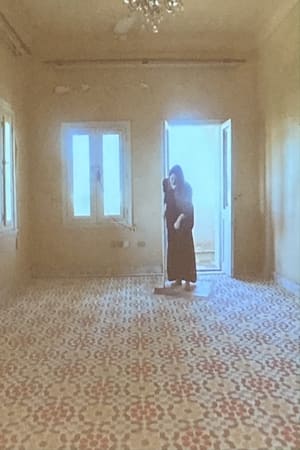
What appears at first glance to be a patterned floor of traditional Islamic tiles is in fact an intricate installation of hand dyed sand. In a light-filled room in an abandoned house, the artist steps into frame to sweep it away, breaking the illusion and destroying the image of traditional heritage.
An experimental media installation of three windows exploring fragments of liminality. Three unique re-constructions of experiential instances volumising the cataclysms of thresholds. Experience the absence of definition, the absence of boundaries set and the absence of rationale. A myth is not to be understood, a myth is passed on, like a game of Chinese whispers, it takes its course and ages with time, suiting the demography and tale, it warps and distorts
Eden