The Wind Sculpted Land is a film about Estonian nature. The nature of this Northern country might not seem anything special at a first glance, but digging deeper one can find true gems. Flooded meadows, coastline, bogs altogether with wild animals and flocks of migrating birds are actually small worlds on their own. Even more, the very same nature has held and sculpted the character of the people living here.
A short wildlife documentary about dormouse.
Hawaii - an exotic tropical world far out in the Pacific, characterized by volcanoes that are still active and frightening to this day. Settled in the prehistoric times by Polynesian sailors, who by simple means captured the enormous expanse of the Pacific. Home to the wave of waves, which has developed from a cultic action to a popular sport and has an enormous cultural significance to this day. This film shows the whole impressive beauty of this exotic world in breathtaking aerial photographs and detailed close-ups. The camera flies over glowing lava fields and through lush green 38 gorges.
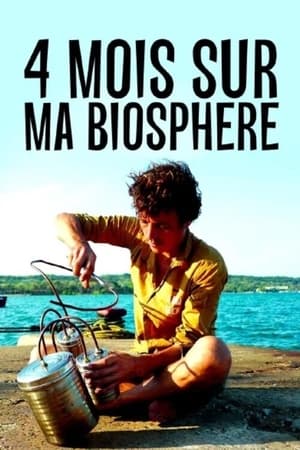
After traveling the globe to highlight low-tech, Corentin de Chatelperron has set himself a new challenge: to live independently, alone for four months, on a bamboo raft floating in Phang Nga Bay, Thailand. On his 70 square meter platform, the engineer, passionate about ecology and system D, puts into practice what he has learned in order to feed himself and produce his own energy.
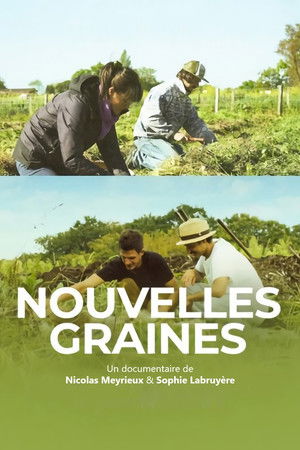
For 5 years, Nicolas made videos and shows about the environment. He left Paris to settle in the Landes and met Zoé and Anthony. This young farming couple, recently settled on 7 hectares of almost dead land, is building a farm with impeccable ethics in accordance with the rules of nature. Inspired by their experience, Nicolas decides to change his life, becomes an intern for his friends and takes his farming diploma. But on the field, reality catches up with them and redraws the projects of each of them.
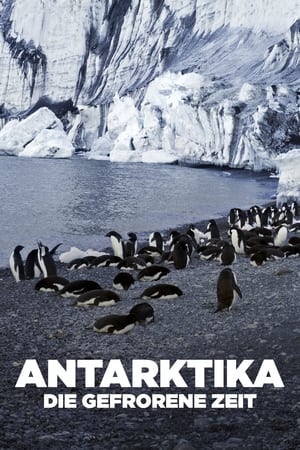
The bleakness of Antarctica is a fallacy. The ice continent is full of life and offers a biodiversity of which only about two percent are known. Much of it is under water and could determine the future of human beings. When the northern lights cover the ice landscape in summer, the animals in the Antarctic are in a paradisiacal state. Whales blow their fountains in the sky, penguins fly like small rockets into the water, seals dive for crabs under the glittering ice floes. From the bay of the Ross Sea to the ice shelf, from the huge penguin colonies to steaming volcanoes, a life in rhythm with the ice. But the consequences of climate change are slowly becoming apparent here too. While some species are dying, others are spreading. They could bring new viruses and bacteria with them, and new dangers for humans too. The structure of nature has gotten off course. How many generations will still be able to experience the magic of Antarctica?
David Attenborough tells the revealing story of this Caribbean island's exotic but vulnerable wildlife. A team of conservation champions are making it their mission to save the most precious species. We see how Puerto Rican parrots, manatees and turtles are now making a comeback.
A study of observations around the ancient monument of the temple of Augustus and Livia and to cities of Vienne, Chonas-l'Amballan and Saint-Prim. Firstly proposed as a sort of ghost hunting, the project seems to focus on a world of figures, the whispers of the roads, diegetic/non-diegetic sounds and a camera that tries to investigate under fragments of logic and articulating cuts.
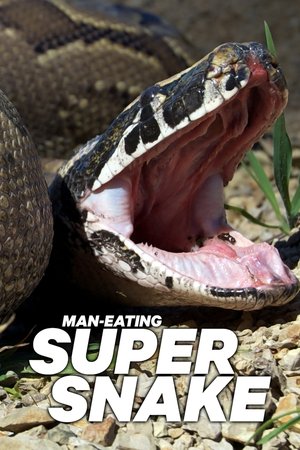
South Florida is under siege from a new invasive species. This time, they're man-eaters, African Rock Pythons. These lethal giant constrictors are one of nature's most aggressive snakes.
Transumanza
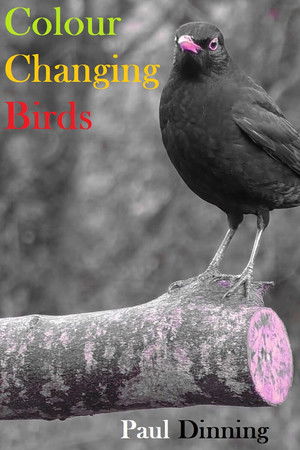
The familiar landscapes of Cornwall take on brand new hues.
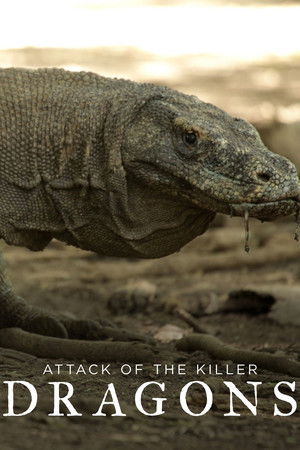
Tales of dangerous lizards endangering human lives; five divers are cast adrift and wash ashore on an island overrun with killer Komodo dragons in Indonesia; vicious Nile monitors are on the rise in the United States.
Animals shock us with the most bizarre appearances - some even look like they've been dressing up. But the weird and wonderful shapes and colours of nature are vital to the animals' lives. Sometimes they're disguised to help blend in, other times they are designed to stand out and show off. But whether it's a monkey in make-up or a salamander's toxic stripes.
Far from the dream beaches and theme parks of Florida, there is a unique wilderness that is home to some of the world's most feared reptiles. In the vast swamps and lush mangrove forests along the coast, life and death dramas are the order of the day. Alligators are the undisputed rulers of the swamps, but the young animals in particular must learn to recognize danger quickly - otherwise they will become prey for deadly predators. An extremely dangerous reptile also lurks on the coast: the diamondback rattlesnake.
Produced by the United States Geological Survey and the National Park Service during the 1959-1960 eruption of Kilauea. Narrated footage includes lava fountains and the creation of the Kilauea Iki lava lake.
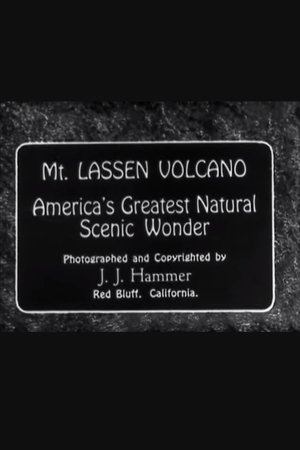
Footage of the eruption of Mt. Lassen in Northern California. Mt. Lassen erupted from 1914-1917, the last volcano in the Cascades to erupt prior to Mt. St. Helens. This footage was most likely taken in 1917 and is the oldest surviving footage of an American volcano erupting.
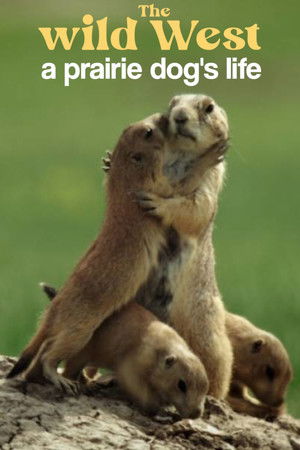
A Prairie Dog's Life
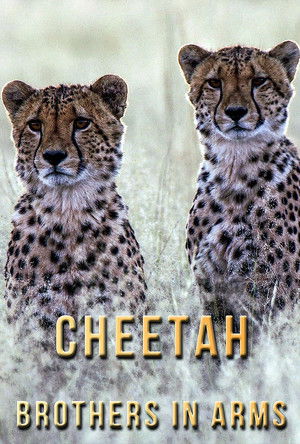
On Botswana's Linyanti Plains, a band of brothers reigns amongst the top predators: three cheetahs - partners since birth and one of the most efficient hunting forces on the plains - until tragedy strikes. Achilles, the hunt leader of the brotherhood, is killed by a cobra bite, leaving his brothers Odin and Shiva to fend for themselves. With their coalition diminished they must adapt fast: learning to hunt as a twosome and defend their kills without the help of Achilles. Confounding their efforts is a host of predators: an injured leopard, a cunning hyena and a devious black-backed jackal. Making matters worse, a lone male cheetah begins to trespass on their land. Will these cheetah blood brothers survive the overwhelming odds stacked against them?
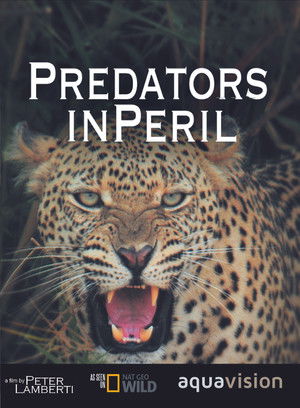
Set in the vast expanse of South Africa's Mala Mala game reserve, a host of Africa's biggest and fiercest wildlife species compete for food, mates and territory against the backdrop of a harsh dry season.
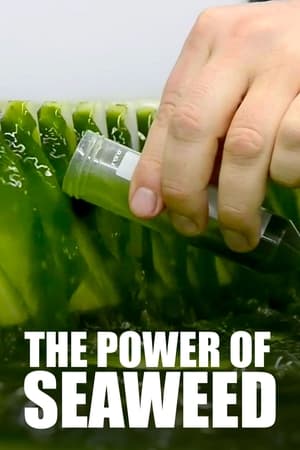
In the Faroe Islands, a team of biologists is studying these marine plants with the aim of improving salmon farming and avoiding the need for drugs or chemicals. In Munich, others are working on a tiny algae whose high oil content could eventually replace petroleum. The carbon fiber obtained from it is a real match for fossil fuels. In France, a tower resembling a Morris column is being used to purify the air. The tower absorbs one tonne of CO₂ per year - the equivalent of several dozen trees - and converts it into oxygen.