Documentary film about the Spanish Civil War.
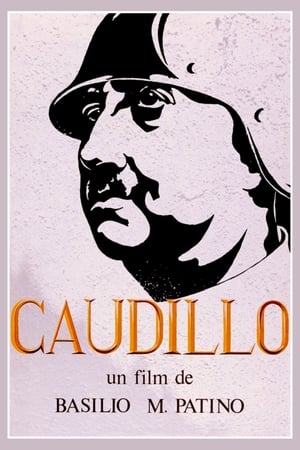
Caudillo is a documentary film by Spanish film director Basilio Martín Patino. It follows the military and political career of Francisco Franco and the most important moments of the Spanish Civil War. It uses footage from both sides of the war, music from the period and voice-over testimonies of various people.
Documentary about the Spanish Civil War and its subsequent consequences on the country's society, featuring testimonies from various figures, interviews, and significant photographic and audio documents.
Cautivos en la arena
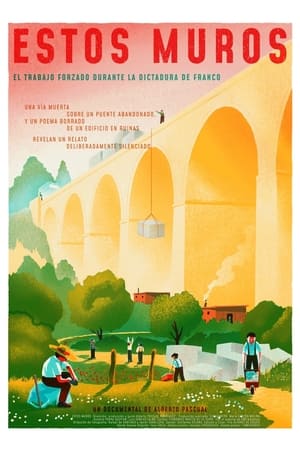
In the mountains of Madrid, Spain, a railway track on an abandoned bridge and a poem erased from the wall of a ruined building reveal a deliberately silenced story: the system established by Franco's dictatorship after the civil war (1936-39) that allowed hundreds of companies to use thousands of convicted Republicans as slave labor.
Agustina González. La zapatera que miraba a las estrellas
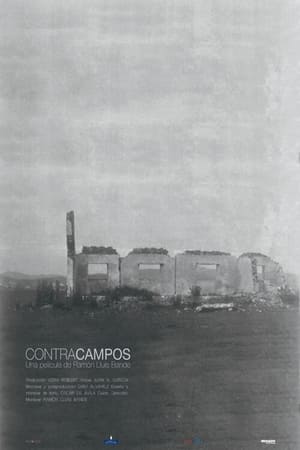
Contracampos is the attempt to (re)build a landscape. A recreational area and a shooting range in the west of Asturies, which, between 1937 and 1943, housed a Francoist concentration camp through which thousands of Republicans passed – firstly militiamen, later guerrillas and their relatives. Sharing a leisurely observation with the viewer, the film intends to resignify that space, giving it back its political meaning. But it is not a question of showing –of filming– the invisible, but rather of showing what is missing in what exists today. What was and is no longer, not even in people's memories.
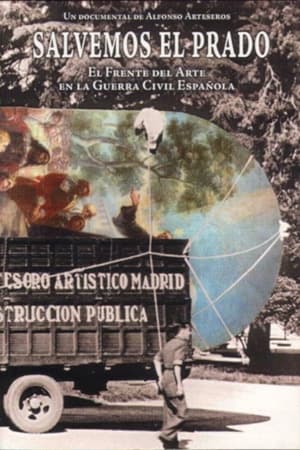
A definitive review of the long and arduous journey of the works of Spanish Artistic Heritage during the Spanish Civil War. The filmmakers travel the tortuous way back from Madrid to Geneva, passing through Valencia and Figueres, interviewing the protagonists of that unrepeatable feat.
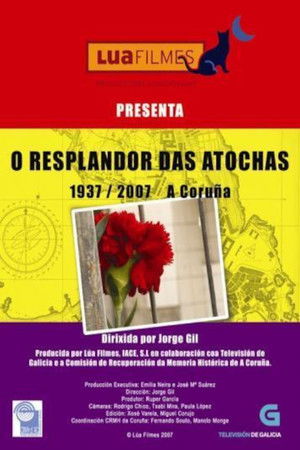
The memory of a defeat, a barbarism: the destruction at the dawn of the civil war of people who fought for freedom, a group of anarchists from A Coruña located in the Atochas area. Through valuable witnesses and historical images a reconstruction of a metaphorical episode in the history of the country. This projection is made in collaboration with its author and the Commission for the Recovery of Historical Memory.
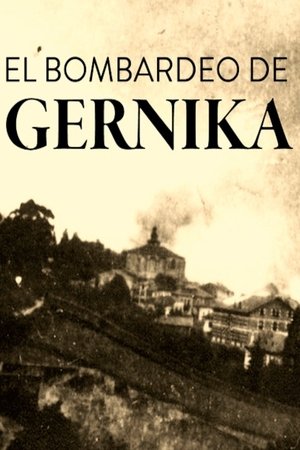
Documentary about the bombing of Gernika carried out by Nazi aviation in support of Franco's troops. Contains testimonies from survivors and unpublished color images.
The victory of the fascist army in the Spanish civil war caused a mass exodus of republicans who had to take refuge wherever they could. Mexico, led by its president, Lázaro Cárdenas, was the only country that openly supported the republican cause and opened its doors to thousands of Catalans who found their second homeland in that land. This documentary aims to be a tribute to all the exiles and the people who welcomed them. "Mexico, you have opened your doors and your hands to the wanderer, the wounded, the exiled, the hero..." Pablo Neruda.
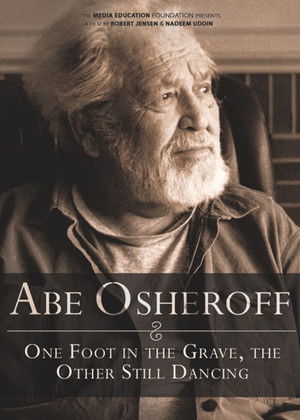
Most people knew Abe Osheroff as an activist. For most of his 92 years - from the frontlines of the Spanish Civil War to the picket lines of the U.S. labor movement, from the struggles for civil rights in Mississippi to his work for human rights in Nicaragua - Osheroff threw himself into the fray with rare energy and enthusiasm. In this riveting and inspiring new film, Osheroff reflects on the meaning of his activism, exploring the ideas that animated his actions and sharing wisdom built up over a lifetime of commitment to the "radical humanism" that defined his politics and philosophy.
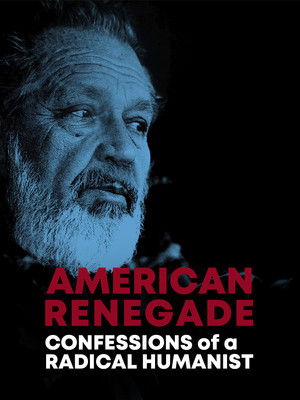
Activist, lover, visionary, renegade - For 75 years, Abe Osheroff fought on the front lines of social activism - from the battlefields of the Spanish Civil War to the killing fields of Nicaragua; from the witch hunts of McCarthy to the sharecroppers of Mississippi to streets all across the United States, Osheroff put his life on the line to keep justice alive. Through the unflinching lens of this documentary feature, this master storyteller takes us on an insightful journey inside the defining conflicts of 20th Century activism with irreverent humor and unwavering commitment to a lifetime of engagement. Osheroff's confessions strike a resounding chord in today's world with a singular voice that never stopped chanting "yes we can!"
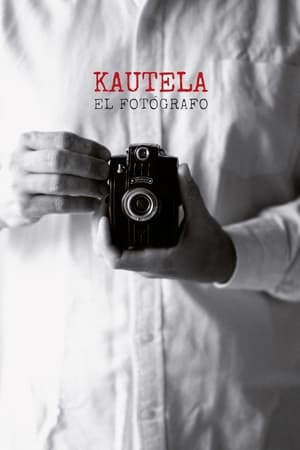
After the discovery of a suitcase hidden in the family home of Francisco Martínez Gascón, known as Kautela, a photojournalist who lived through the Spanish Civil War from the perspective of the rebel side, his granddaughter decides to carry out an investigation into his life and work.
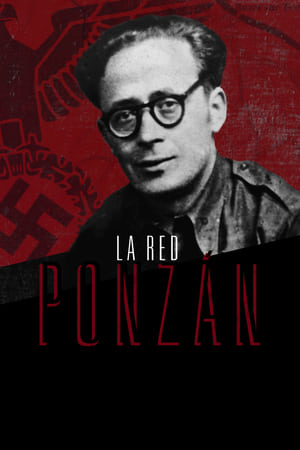
During the Spanish Civil War (1936-1939) and the Second World War (1939-1945), around three thousand people managed to elude their pursuers, and probably also avoided being killed, thanks to the heroic and very efficient efforts of the Ponzán Team, a brave group of people — mountain guides, forgers, safe house keepers and many others —, led by Francisco Ponzán Vidal, who managed to save their lives, both on one side and the other of the border between Spain and France.
The amazing story of Cifesa, a mythical film production company founded in Valencia by the Casanova family that managed to dominate the box office during the turbulent times of the Second Spanish Republic, the carnage of the Civil War and the hardships of the long post-war period and Franco's dictatorship — and survive until the sixties, when Spain was timidly beginning to change.
A short film on Republican efforts to improve education standards during the Spanish Civil War.
A group of forensic doctors begins the exhumation of a mass grave in Vilagarcía de Arousa. This is the story of those who seek and those who seek them.
A story about the memory of the memory, which starts from the revenge perpetrated on October 15, 1936, when nine men were killed in Bayonne as a result of events that happened two days before, and which involved the death of a resident of that town and more than one Falangist .
A documentary, of incalculable power, that reflects the abrupt interruption of childhood through thirteen survivors who at the time of 1936 were between six and twenty-two years old. The film narrates his experiences during the conflict, his fears, his hunger, which became more acute after 1937 when Madrid was isolated by Franco's troops. The memories of the protagonists are interwoven with archival images and with the testimony of Eduardo Haro Tecglen and several other people, respecting the silences and pauses in which the interviewees relax the emotions that these memories stir up in them. A cinematic beast's blow where life becomes death: the story of a childhood lost in the midst of embers, hunger and blood.