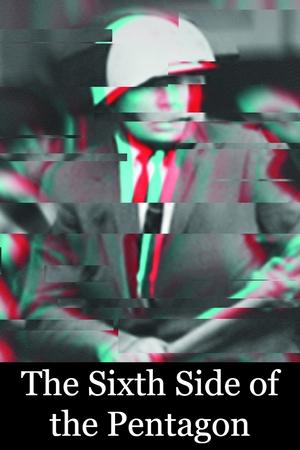
Chris Marker and François Reichenbach document the massive anti–Vietnam War protest held in Washington, D.C., on October 21, 1967, where more than 100,000 demonstrators gathered at the Lincoln Memorial before marching on the Pentagon. Filmed amid the crowd, the short captures the tension, idealism, and growing radicalism of the American peace movement.
Actor/cult icon Bruce Campbell examines the world of fan conventions and what makes a fan into a fanatic.
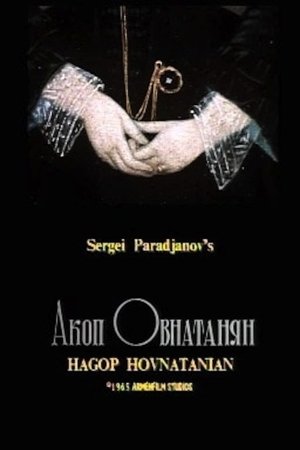
Exploring the art of Armenian portraitist Hakob Hovnatanyan, Parajanov revives the culture of Tbilisi of the 19th century.
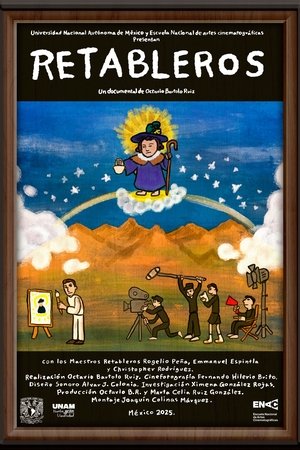
The art of votive offerings is fading, and with it, its creators, the retableros. We will witness the work of some of these last artisans, masters of a craft deeply rooted in tradition, religious and social identity in Mexico; they will tell us about their lives, their work, and their future.
A journey through a nature reserve in the GDR: the island of Hiddensee—with a special focus on the landscape, flora, and fauna.
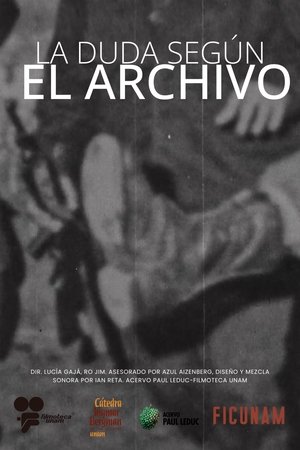
In an essay and archival intervention, questions arise about the images of the 1968 national strike council.
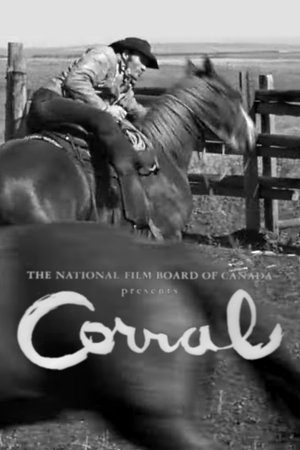
Corral is a 1954 National Film Board of Canada documentary by Colin Low, partly shot in the Cochrane Ranch in what is now Cochrane, Alberta. In the film, a cowboy rounds up wild horses, lassoing one of the high-spirited animals in the corral, then going on a ride across the Rocky Mountain Foothills of Alberta.
The main (super)hero of Beatrice Baldacci’s documentary is a person depicted as the sum of her memories. The story of the director and her family is told in the first person, with home VHS recordings that show both Beatrice’s mother and Beatrice as a child taking on the role of an agent of memory. Outdated technology transforms the events of twenty years ago into an archaeological object.
Time as punishment — of juvenile inmates and bodies that become heavy in prescribed spaces.
Seven years since his last visit to Nigeria, a filmmaker meditates on the death of his father.
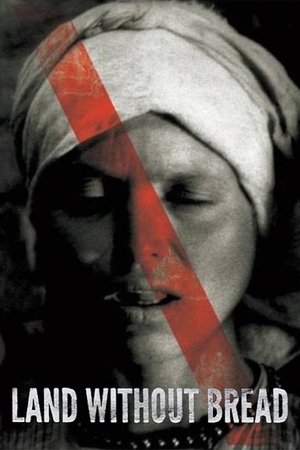
An exploration —manipulated and staged— of life in Las Hurdes, in the province of Cáceres, in Extremadura, Spain, as it was in 1932. Insalubrity, misery and lack of opportunities provoke the emigration of young people and the solitude of those who remain in the desolation of one of the poorest and least developed Spanish regions at that time.
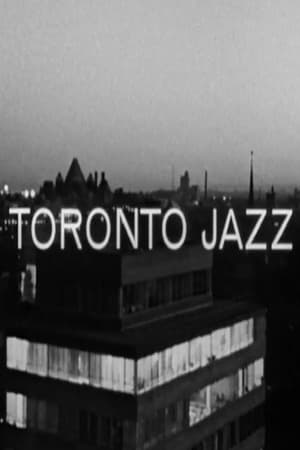
Toronto is regarded as the third largest jazz centre in North America. This film features a cross-section of jazz bands of that city: the Lenny Breau Trio, the Don Thompson Quintet and the Alf Jones Quartet. Their styles show creative self-expression, hard work, and improvisation.
This black-and-white archival film outlines the importance of Canada's forests in the national war effort during the Second World War.
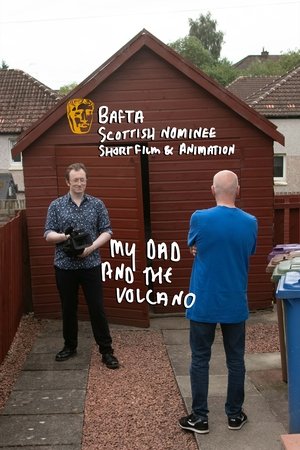
Gavin built a giant volcano sculpture that's now in his dad's shed. Gavin seeks his dad's understanding but he's uninterested in modern art and refuses to participate in the documentary.
The daily life of an ill man is constantly interrupted by television advertisements. They promise some change to his life. He finds himself as a part of the adverts, but soon the empty promises become demonically possessive. The truth sets in.
Μοναστηράκι
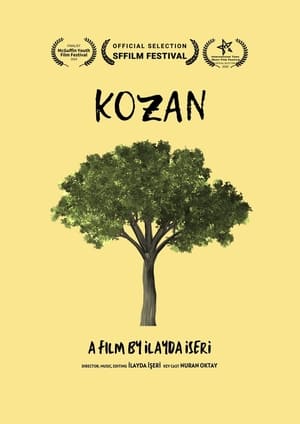
This short documentary portrays a typical day of a Turkish farmer woman who lives in the village of Kozan, Adapazarı, Turkey. The film follows her everyday activities while also portraying her own opinions about her life.
Rosita Hernandez, a nine-year-old Indio girl, tells about the everyday life of her family living in the the desert plain between the Andes and the Pacific Ocean, about 300 km south of Lima. Specific social and economic problems as well as ways of coping with them become visible.
Famous Spanish film critic Alfonso Sánchez talks about his personal life, his work and Anouk Aimée. A sentimental tribute to one of the most relevant figures on the Spanish film scene.
Short documentary about an excavator operator in sweden