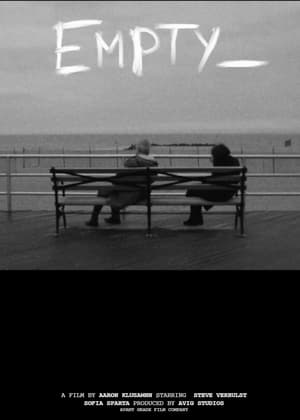
Matthew (Steve Verhulst) an older, self-absorbed, boring, travel worker meets Anna (Sofia Sparta) a young, wild, multifaceted artist that is looking to push the boundaries of society for the acceptance of her own work.
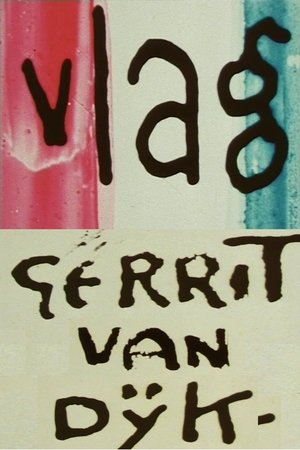
Colourful lines and geometric figures move and change to the notes of a disjointed Wilhelmus [Dutch national anthem]. As the film progresses the disjointed music finds its way back to the original and flowing performance of the national anthem. The colours and figures move simultaneously into the shape and the tricolour of the Dutch flag.
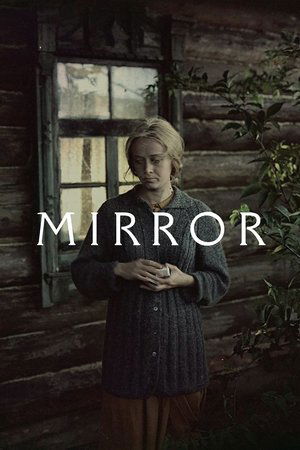
A dying man in his forties recalls his childhood, his mother, the war and personal moments that tell of and juxtapose pivotal moments in Soviet history with daily life.
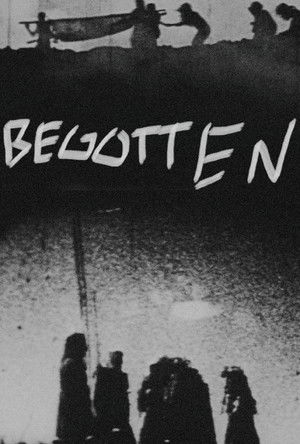
Begotten is the creation myth brought to life, the story of no less than the violent death of God and the (re)birth of nature on a barren earth.
Ocean was a girl and now just a paper head. Her brother reminisces the times they shared during their childhood, a sorry experience that birthed emotional scars.
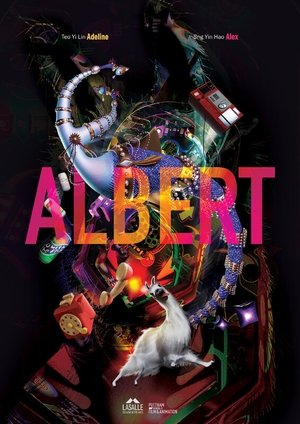
Capturing life through the lens of a dream, Albert explores the evocation of the subconscious mind through the vivid visualism and dynamism of images.
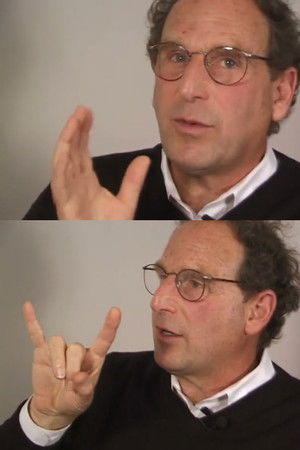
In his contribution to the On Art and Artists interview series, Nathaniel Dorsky (b.1943) begins by discussing his childhood love of the John Ford film Stagecoach and its influence upon his decision to make films while attending Antioch College. Describing the affinity he developed for work operating at the intersection of film materiality and personal language, Dorsky explains how he developed his philosophy of the “devotional film” and the “microcosmic viewer.” Dorsky likens his practice to Buddhist sculpture, referring to himself as a “Japanese poet continuing aspects of the ethos of the Marxist revolution.” In the interview, the artist describes his use of the screen as an “altarpiece for the image” and emphasizes his use of editing to create works which “harmoniously coalesce.” Interview conducted by Jeffrey Skoller in May 2000, edited in 2014.
A Short Film focusing on the urge to escape from the rabbit hole of depression
1977 Czech experimental short by Petr Skala
The gaze in autocorrelation.
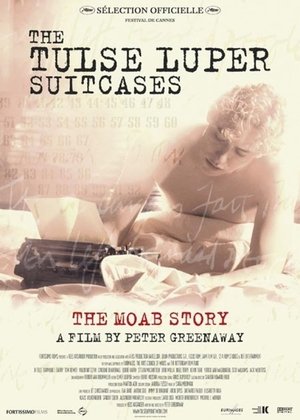
A comic study of 20th-century history, reconstructing the life of writer, creator and professional prisoner Tulse Luper. Born in 1911 Newport and last heard of in 1989, Luper’s life is pieced together from the evidence found in 92 suitcases scattered across the globe. In the first of three parts, we follow Luper through three distinct episodes: as a child during the First World War; as an explorer in Mormon Utah; and as a writer in Belgium during the rise of fascism.
Shot in black and white, Invisible merges performance art and personal documentary to reflect personal and shared experiences during the military coup. Set in an abandoned building where many young revolutionists sought refuge, the seemingly invisible experiences of displacement, loss, suffering and anger are made visible through words and subtle movements.
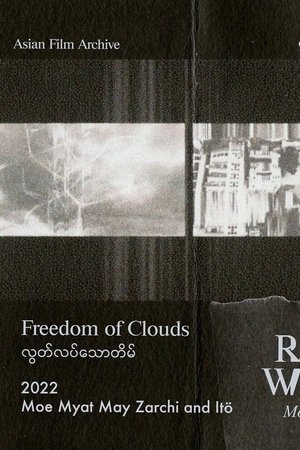
Informed by Taoist notions on the flow of nature, Freedom of Clouds is an experimental audiovisual poem composed of two visual languages which shift in tandem with the sonic landscape. The first involves abstract audio-reactive particles imitating the movement of dust, while the second is composed of Myanmar’s urban scenes which blur and morph as the piece moves away from form and definition.
Set against an operatic soundscape, period@period is a sensual interplay of sound and image that focuses on the anonymous protagonist’s monthly period and the rituals associated with it.
Stan Brakhage is a film maker whose work is shown mainly at film festivals. His work has been likened to poetry. Brakhage explains his techniques and his motivation.
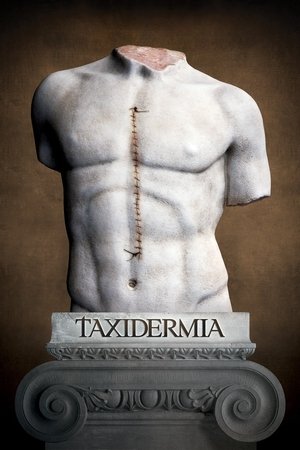
Three stories. Three ages. Three men. Grandfather, father, son. One is an orderly, one is a leading sportsman, and one is a master taxidermist. One desires love, the other success, and the third immortality.
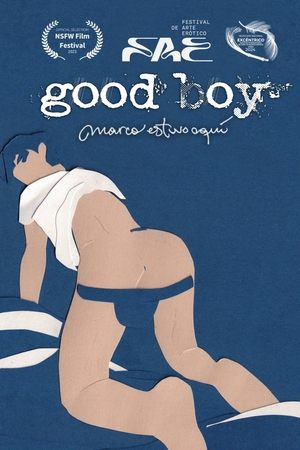
The author's erotic imagination is mixed between desire and magazine clippings, and the trade of collage becomes a ship that travels from outer space to the city itself.
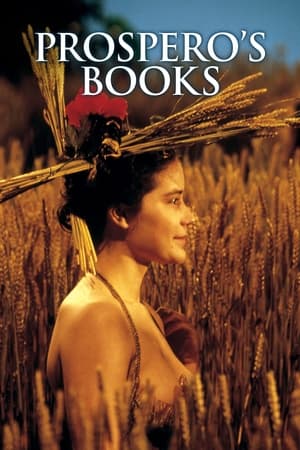
An exiled magician finds an opportunity for revenge against his enemies muted when his daughter and the son of his chief enemy fall in love in this uniquely structured retelling of the 'The Tempest'.
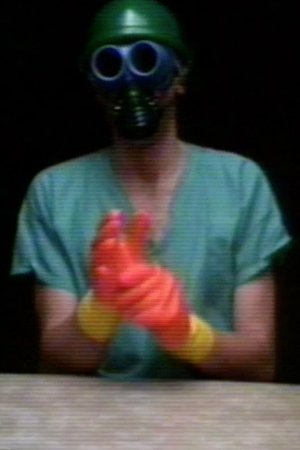
Protective Coloration shows Fisher seated at a mottled table. He wears short-sleeved hospital garb, surgical green ‘scrubs’. Nose-clips block his nostrils while a mouth-guard that looks like fake lips covers his mouth. Over the course of 11 minutes he masks his face and covers his hands with bright gear in colours that accumulate to resemble those of the standard reference chart: he puts on orange eye-caps, then a yellow bathing cap; covering his nose and mouth and the gear already there, he dons a black gas mask; a silky black sleeping mask voids his already covered eyes, a cyan blue bathing cap caps the yellow; yellow rubber gloves snap on his hands and forearms; puts on cyan eye goggles, then struggles with yet another bathing cap, hazmat orange, over the other two. A silvery transparent shower cap tops the caps, itself topped by a plastic green helmet. Finally heavy-duty magenta gloves hide most of the yellow rubber. Preserved by the Academy Film Archive in 2008.
You and AI at the end of the world.