This film provides a lively introduction to the professional and personal lives of three female engineers-just a few of the growing number of women who were opting for "non-traditional" jobs in1983.
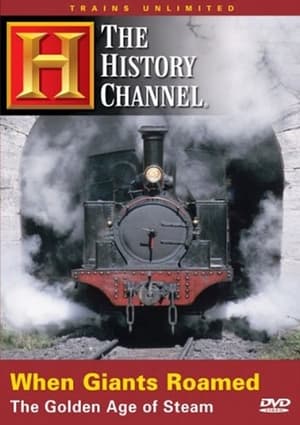
In the first half of the 20th century, America's railroads were radically transformed by the innovation of gargantuan steam locomotives. Pushed by the need to haul ever longer and heavier trains, the nation's locomotive works responded with the invention of awe-inspiring articulated engines. Delivering up to 7,500 horsepower, these steel behemoths could haul mile-long, 15,000-ton trains. In this riveting program, journey back to the golden age of steam for an up-close look at these legendary locomotives. See the Union Pacific's famed "Big Boy" in action and ride the rails of the Chesapeake & Ohio and Norfolk & Western railways. Meet the men who drove engines like the Allegheny and Yellowstone, and visit the museums and yards where the largest steamers ever built remain preserved in time. THE HISTORY CHANNEL' proudly presents this rollicking retrospective, sure to set any rail fan's heart pounding
Edward de Bono literally sketches out the future in a 90 minute lecture filmed in Copenhagen. He explains 2040 as seen by someone frozen cryogenically in 1997.
An intimate insight into the servant culture and lifestyle of the Viceroy of India and family, as they visit Simla (Shimla) and Lahore.
A grandson shows his grandmother how to navigate an iPad 2 full of clues for solving a puzzle. Over a phone call, she recites an email she wrote seven years prior.
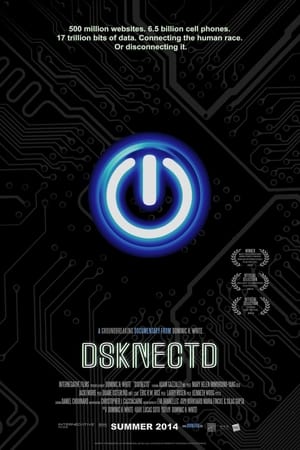
As clichés go, in 1999 the World as we knew it was about to change - and we'd been expecting it. Since childhood we'd been promised that the 21st century would bring us dramatic new technologies like flying cars and Utopian cities. Instead it bought us the smart-phone, social media, and virtual societies. And as it turns out these technologies began to transform society almost as dramatically as the moon colonies we'd been expecting. Now over a decade into the revolution, 'DSKNECTD' explores how digital communication technology is profoundly changing the way we interact and experience each other - for the good and for the bad.
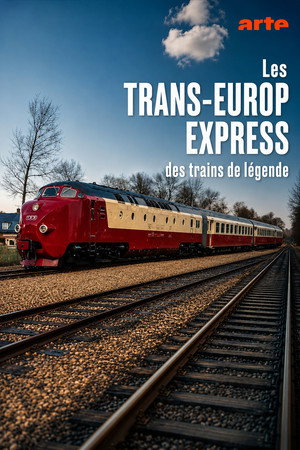
Der Trans-Europ-Express TEE - Legende auf Schienen
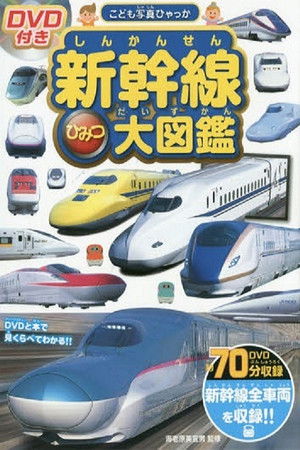
An encyclopedia of Japanese bullet train vehicles.
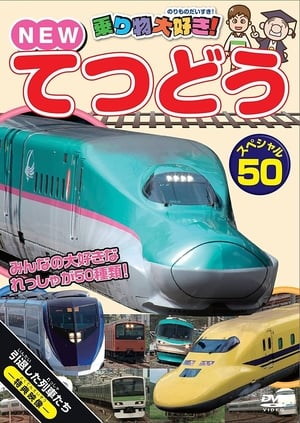
"Tetsudou" version of the series full of popular vehicles for children. Fifty kinds of trains selected from the railway active in Japan such as Shinkansen, SL (steam locomotive), limited express, etc. are recorded with powerful images. Introducing a nostalgic train that is not running now as a bonus picture.
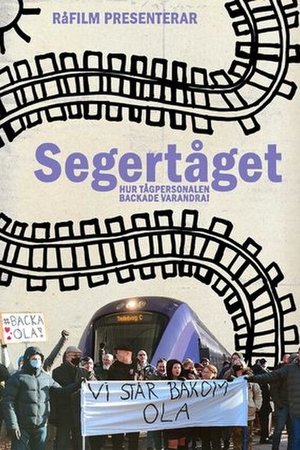
On the purple trains that run through the rapeseed fields of Skåne, anger is growing. The train company is planning yet another cutback. But this time the train staff are ready to back each other! For decades, companies have competed to win lucrative public procurement contracts to run Sweden’s railways. This competition has led to the deteriorating work conditions for employees, as companies seek to establish a competitive advantage over one another. The short documentary, Segertåget (“Victory Train”), follows train drivers and train conductors who, between work shifts and the online meetings of the pandemic, organize themselves in a fight for justice and better working conditions. A story of perseverance and solidarity in a time of constant deterioration.
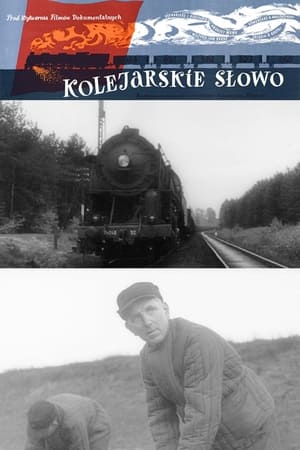
A documentary about the hard work of railwaymen transporting coke from Tarnowskie Góry to Szczecin Iron works.
Tommy’s Train is a story about imagination, drive, and the power of a dream. Once existing as a tourist attraction in the city of Anacortes, Washington, Tommy Thompson’s Railway ran every summer from 1987 until 1999. The genuine steam locomotive and coaches were all hand built by Tommy in his garage workshop, and he maintained and operated the railway with his family.
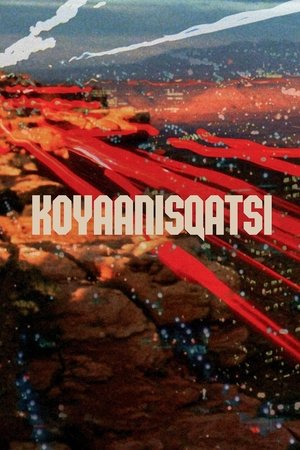
Takes us to locations all around the US and shows us the heavy toll that modern technology is having on humans and the earth. The visual tone poem contains neither dialogue nor a vocalized narration: its tone is set by the juxtaposition of images and the exceptional music by Philip Glass.
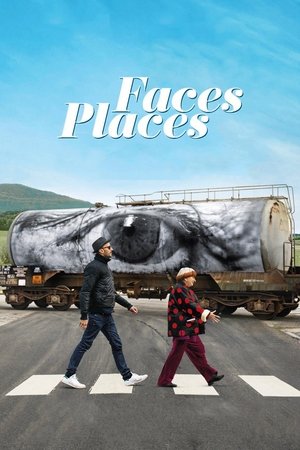
Director Agnès Varda and photographer/muralist JR journey through rural France and form an unlikely friendship.
This documentary introduces you to the entirety of the Amtrak service network, which spans from coast to coast, and border to border. From both trackside and onboard perspectives, you’ll see and survey the trains that so many ride for practical purposes and pure enjoyment. Along the way you’ll learn about Amtrak’s intriguing origin story, its on-going challenges, and insights on what’s yet to come.
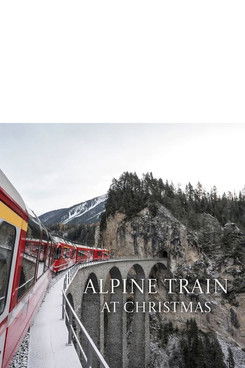
Climb aboard the illustrious Bernina Express for a festive ride through spectacular Alpine landscapes, taking in snow-covered peaks, architectural wonders, and majestic glaciers.
Jenni has an ordinary life of simple patterns revolving around family and work. Her daily routine is seemingly unremarkable yet is of great interest to someone she doesn’t know—but who knows everything about her. Harvest is a thrilling and inventive depiction of the hidden value in mundane routines.
Follow Adam and Emma on their daily commute from the village of Langton to London, where they meet the same passengers every day. One morning, Adam breaks the unspoken taboo of talking to strangers on a train and invites the entire carriage to hold their own Christmas party together.
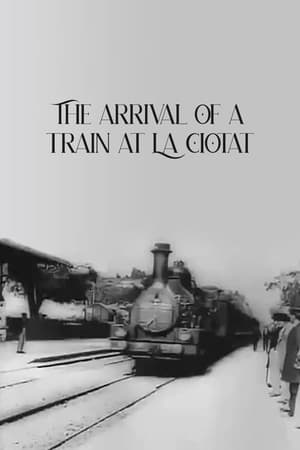
A group of people are standing along the platform of a railway station in La Ciotat, waiting for a train. One is seen coming, at some distance, and eventually stops at the platform. Doors of the railway-cars open and attendants help passengers off and on. Popular legend has it that, when this film was shown, the first-night audience fled the café in terror, fearing being run over by the "approaching" train. This legend has since been identified as promotional embellishment, though there is evidence to suggest that people were astounded at the capabilities of the Lumières' cinématographe.
A day in the city of Berlin, which experienced an industrial boom in the 1920s, and still provides an insight into the living and working conditions at that time. Germany had just recovered a little from the worst consequences of the First World War, the great economic crisis was still a few years away and Hitler was not yet an issue at the time.