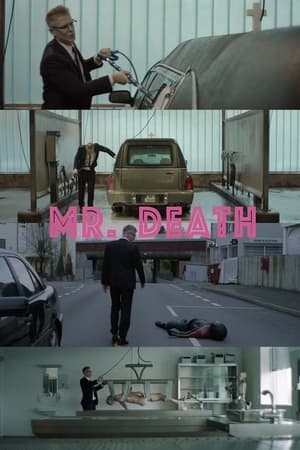
An exclusive interview with Death as he goes about his everyday business.
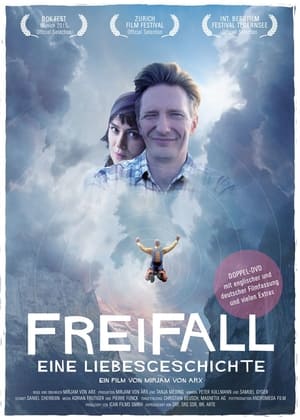
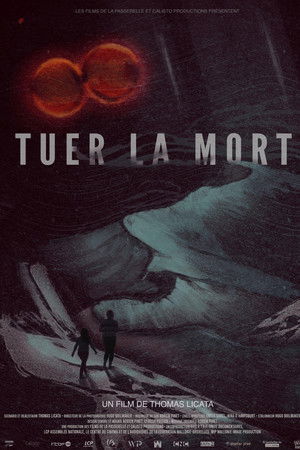
I meet Herbert in the same week I get diagnosed with cancer. We fall madly in love and plan to stay together for the rest of our lives. Three months later, he is dead. Herbert was a BASE Jumper. Leaping off a cliff with nothing but a parachute, he loses his balance, slams into the rock face and falls to his death. His loss in the midst of my chemotherapy completely throws me. Why does he gamble his life away, while I fight for mine? Desperate for answers, I return to Lauterbrunnen, the scene of the accident where Andreas, his best friend and coach, introduces me to the world of BASE. The jumpers teach me not only about the sport, but about facing fears, harnessing and controlling them. To make the most of the life we get. In the Swiss Death Valley I slowly find my way back to life.
In New Jersey, the Good Grief community focuses on a holistic way of dealing with grief, where children can give in to rage in ‘the volcano room,' and say goodbye to a dying teddy bear patient in ‘the hospital room.' Over the course of a year, we follow the weekly meetings and get close to Kimmy, Nicky, Peter, Nora, Nolan, and Mikayla and their close companion: grief. It is sometimes heartbreaking, but also humorous, to experience the questions about life and death through their open and curious minds. Grief is high and heavy as a mountain, but it helps you understand what has happened, and that death is irreversible.
'if you only had one year left of your life, what would you do?' This question asks Swiss author Franz Hohler. His answer: 'Make death your adviser to live life to the fullest.' He is one of several carefully chosen Swiss citizens who give us an insight into their personal views on life and death. Besides these colorful, oftentimes funny quotes we meet Tom, a 50-year old male that has been diagnosed with incurable brain tumor. Contrary to what one would expect, Tom takes his sickness not as a burden but as a chance and lives his life happier than ever before. This to the surprise of his family and friends and above all - himself. The film encourages people to live life more consciously.
J'ai décidé de mourir
Following the death of her brother, filmmaker Robie Flores returns to her hometown Eagle Pass on the Texas/Mexico border, wanting to turn back time. She collides with unruly experiences of adolescence – quinceañeras, Rio Grande river excursions, teen makeovers and beyond – that invite her to soak up the details of the home her brother adored and she ignored. What emerges is a playful dance between a personal and collective coming-of-age portrait of kids on the border and Robie herself as she rediscovers the possibilities of joy in the aftermath of grief.
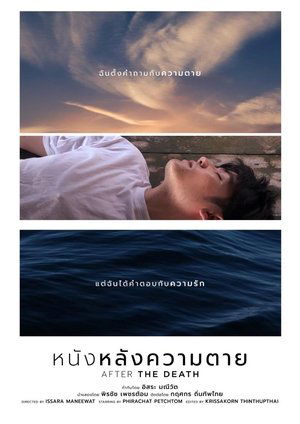
After I died from suicide, I was punished for this deadly sin, to live alone in the spirit world deep in the sea, but He gave me a chance to redeem my sin by shooting a film of a philanthropist's afterlife to ask and get the merits, I've been waiting for overly time to see a philanthropist's spirit.
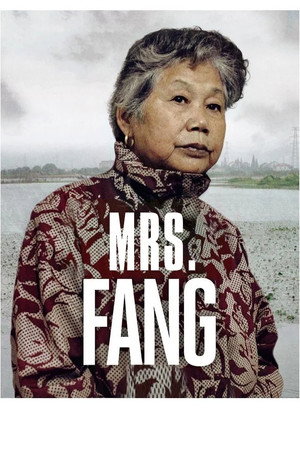
In a quiet village in southern China, Fang Xiuying is sixty-seven years old. Having suffered from Alzheimer's for several years, with advanced symptoms and ineffective treatment, she was sent back home. Now, bedridden, she is surrounded by her relatives and neighbors, as they witness and accompany her through her last days.
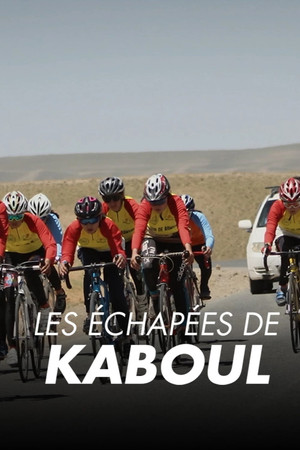
Les échappées de Kaboul
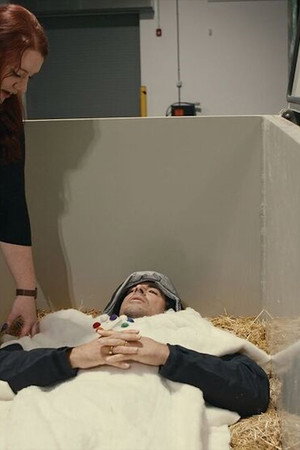
As a “spiritual follow-up” to 'Fin', 'Death Boom' “pulls back the curtain on the catastrophic mental and environmental impacts of the contemporary death care industry. The film, shown through the lens of the workers at the heart of it as they prepare for the passing of 77 million baby boomers, exposes the toll that embalming, cremation, and traditional burial have on those who’ve passed, their families, and deathcare workers, and the corruption – political, religious, and corporate – that stands in opposition to greener methods being nationally legalized and accessible.”
Facing one of humanity’s biggest questions, ‘what is left of us after our death?’, this haunting documentary covers the author’s thought process on the idea of what might remains of us after we die, supported by the vision of an artist who decided to come back in Italy after spending forty-seven years in New York and turn his little apartment into a mausoleom where his death-filled artworks will lay along with his ashes. Raising questions like ‘are the things we create in our lifetime the mark of our existance?’ and ‘can the artist escape death trough the art objects?’ the documentary touches a vast variety of themes and ideas as well as paying a visit to one of the oldest mausoleums in ancient mythology, the Acheron River.
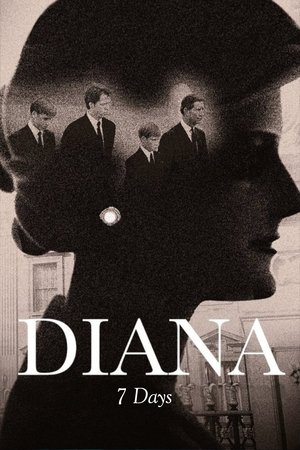
In August 1997, the tragic death of Diana, Princess of Wales, stunned her family and catapulted the British public into one of the most extraordinary weeks in modern history. What was it about Diana that resulted in such an outpouring of grief? And what does that week reveal about Britain's relationship with the monarchy, then and now?
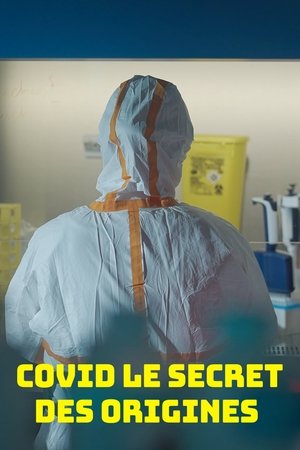
Covid, le secret des origines
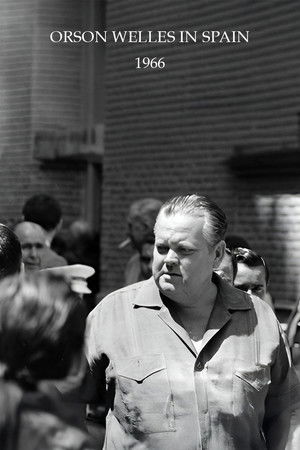
Orson Welles presents a proposed film project to prospective investors in Spain. Speaking to an audience of wealthy arts patrons, Welles outlines his vision for an improvised, documentary-style fiction set in the world of bullfighting, centered on a solitary, existential matador who stands apart from his peers. As he expounds on cinema, performance, and the ritualized spectacle of death, the film captures a project that would ultimately remain unrealized.
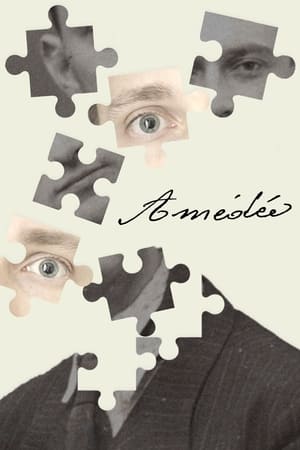
In 1952, Amédée took his own life by jumping into the Seine. No one knows the reason for this tragic act. His story comes to us in bits and pieces.
Tuer la mort ?
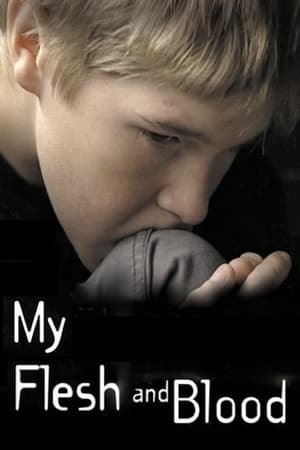
My Flesh and Blood is a 2003 documentary film by Jonathan Karsh chronicling a year in the life of the Tom family. The Tom family is notable as the mother, Susan, adopted eleven children, most of whom had serious disabilities or diseases. The film itself is notable for handling the sensitive subject matter in an unsentimental way that is more uplifting than one might expect.
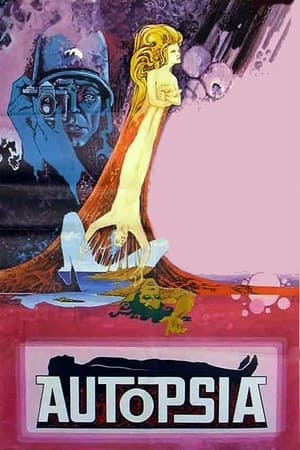
Mondo-style docudrama about a war correspondent who comes back home and has a spiritual crisis about his own mortality. Surreal fantasy sequences are mixed with graphic real autopsy footage.
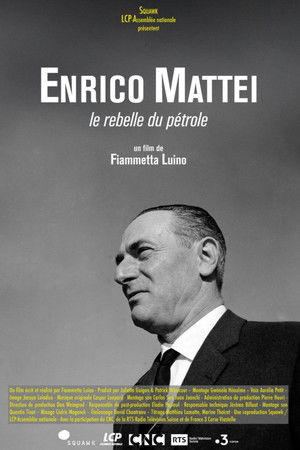
Enrico Mattei, le rebelle du pétrole
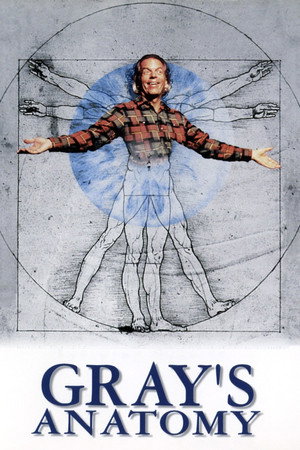
The film documents, in an often dramatic and humorous fashion, Gray's investigations into alternative medicine for an eye condition (Macular pucker) he had developed.