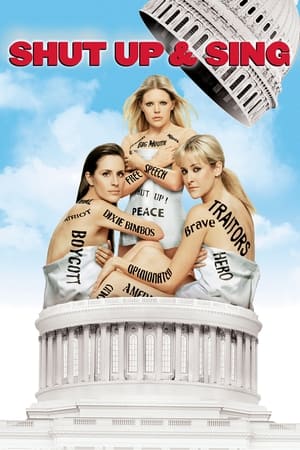
Shut Up and Sing is a documentary about the country band from Texas called the Dixie Chicks and how one tiny comment against President Bush dropped their number one hit off the charts and caused fans to hate them, destroy their CD’s, and protest at their concerts. A film about freedom of speech gone out of control and the three girls lives that were forever changed by a small anti-Bush comment
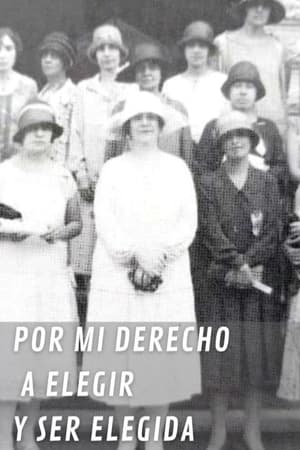
The Untold Story of the Suffragists of Newfoundland (1999) is a docu-drama celebrating the thirty year struggle by the women of Newfoundland to win the right to vote.
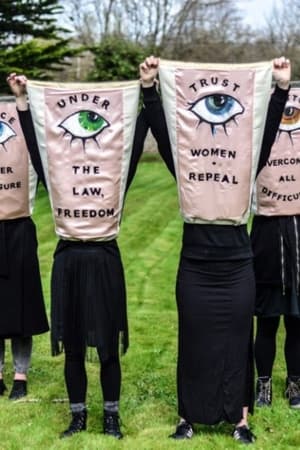
Raise Her Up follows the historian, advocate, and artist creating a statue of Armine Gosling, marking 100 years of womens suffrage in Newfoundland.
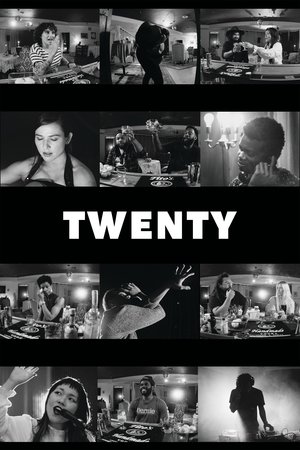
Set in a speakeasy in Atlanta, “Twenty” is a feature documentary about fifteen young people making it through 2020. The film is an observational time capsule that lays bare the raw reflections of a group of people surviving a year that will be seared into our generational memory.
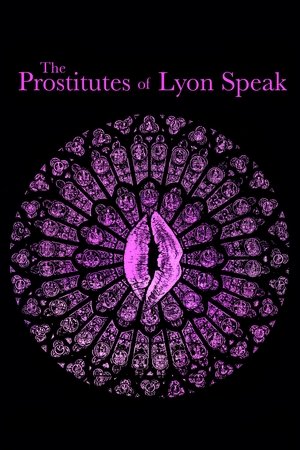
Documentary about the Lyon sex workers who occupied the church of St. Nizier on June 3, 1975.
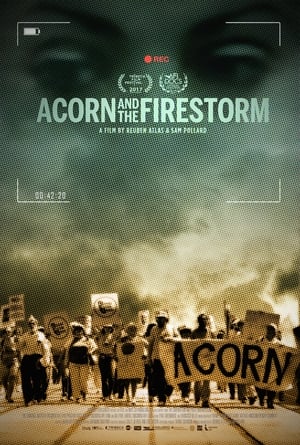
For 40 years, the community-organizing group ACORN advocated for America’s poorest communities, while its detractors accused it of promoting the worst of liberal policies. Riding high on the momentum of Barack Obama’s presidential victory in 2008, ACORN was at its political zenith when a hidden-camera video sparked a national scandal and brought it crashing down. The story involves voter fraud, a fake prostitute, and the rise of Breitbart.com.
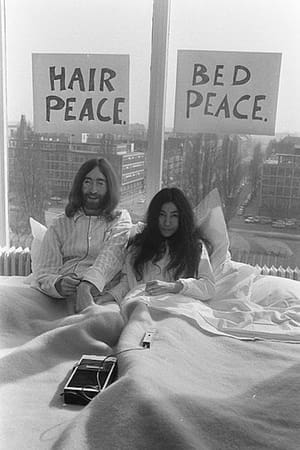
John and Yoko in the presidential suite at the Hilton Amsterdam, which they had decorated with hand-drawn signs above their bed reading "Bed Peace." They invited the global press into their room to discuss peace for 12 hours every day.
Equal parts film, conversation, and social experiment, this interactive documentary uses footage shot by activists in the crowd of the Maribor uprisings, a 2012 to 2013 Slovenian protest, to pull you into the fray, where you must collectively decide what happens next.
Behind the gas masks of Hong Kong’s democracy movement, the often very young activists are just as diverse as the youths of the rest of the world. But they share a demand for democracy and freedom. They have the will and the courage to fight – and they can see that things are going in the wrong direction in the small island city, which officially has autonomy under China but is now tightening its grip and demanding that ‘troublemakers’ be put away or silenced. Amid the violent protests, we meet a 21-year-old student, a teenage couple and a new father.
Preschool to Prison is a compelling examination of how the United States public school system is built and operated like prisons. Zero-tolerance policies are used to justify suspension and arrests that set up a pathway to send children of color and children with special needs from school to prison. Children are being suspended, restrained, dragged, physically manhandled, and subsequently arrested for minor offenses such as throwing candy on a school bus. These personal accounts from people affected by the school-to-prison pipeline give riveting tales about the generational impact on society.
This raw, gutsy portrait of New York's Chinatown captures the early days of an emerging consciousness in the community. We see a Chinatown rarely depicted, a vibrant community whose young and old join forces to protest police brutality and hostile real estate developers. With bold strokes, it paints an overview of the community and its history, from the early laborers driving spikes into the transcontinental railroad to the garment workers of today.
British artist, academic, musician and activist Bob and Roberta Smith has been waging slightly odd political protests for years, in this documentary he investigates the age of activism and discovers what people are protesting about.
In Russia, criticizing the war in Ukraine or Vladimir Putin’s regime has become a crime. Thousands of ordinary citizens are being arrested, tried, and imprisoned. They are called “Politzek”: political prisoners. Filmed clandestinely over the course of more than a year, Politzek gives a platform to those who, despite the fear, continue to speak out against Putin’s repressive Russia. Through the intersecting stories of a teenager sentenced to five years in prison for criticizing the government on social media, a young artist jailed for placing anti-war stickers, a human rights activist, and two theater directors facing Kafkaesque trials, the film unveils the machinery of state repression in Russia. With rare footage, broken yet unyielding voices, this is a story of silenced resistance.
1995. On the outskirts of Abidjan, the largest city in Ivory Coast, a policeman is murdered. Shot outside his vehicle, while his fiancée sits in the car, terrified. Superintendent Kouassi is the detective in charge of the investigation. Tall and lanky, he moves with the tired energy of a man who has seen it all. Drawing on a network of underworld characters with dubious information, Kouassi’s team begins bringing in potential suspects and subjecting them to horrific brutality: beating them with sticks, hanging them upside-down, threatening their lives. Some of the men are left so broken they have to literally drag themselves into Kouassi’s office later, to be interrogated while lying on the floor, their bodies a mess of bruises, broken bones, and lacerations.
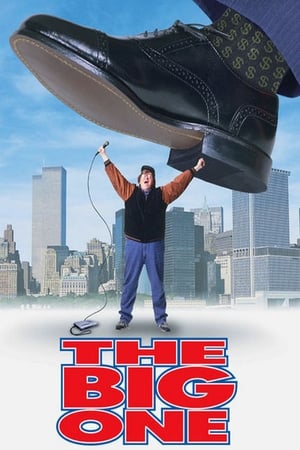
The Big One is an investigative documentary from director Michael Moore who goes around the country asking why big American corporations produce their product abroad where labor is cheaper while so many Americans are unemployed, losing their jobs, and would happily be hired by such companies as Nike.
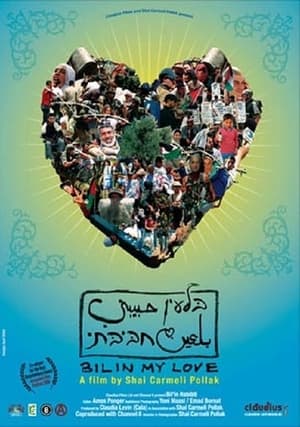
The Israeli filmmaker Shai Corneli Polak records the building of the 'security wall' through Palestinian territory at the village of Bil'in. The villagers protest mostly peacefully, while the Israeli army doesn't react peacefully. By now the Israeli High Court has ruled that the building of the wall was illegal.
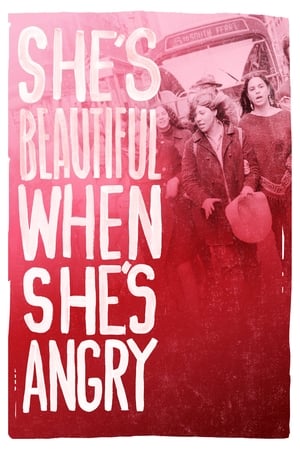
A documentary that resurrects the buried history of the outrageous, often brilliant women who founded the modern women's movement from 1966 to 1971.
A poetic David and Goliath tale, where David is an eco-activist with shields, helmets and Molotov cocktails in the backpack. Director Laurie Lassalle documents the spirit and atmosphere with loyalty and an extraordinarily confident cinematic vision.
Twenty-five years after the biggest riot in British penal history, this film brings together the ringleaders of the trouble with the prison guards they battled with over three weeks of anarchy that brought Strangeways to its knees. For the first time, these events are told through unparalleled access to the people at the heart of the riot - ex-inmates, prison officers and the governor himself - createing a compelling story of the struggle for power between the authorities and the hardcore prisoners who ultimately took their protest onto the prison roof. The stand-off that followed is documented until the final moments, when the siege was ended in a dramatic takedown in front of rolling news cameras.
In May 1968, workers, students and young people rise up against the morality and power of the establishment. Faculties and factories are under occupation. Barricades are erected. Paving slabs are launched. Words give way to actions. This is the confrontation. These images bear witness to the men and women who, in their indignancy, march towards their revolution. 50 years ago, as part of our ARC collective, we filmed the uprising of May and June 1968. Out of this material and scenes borrowed from our other filmmaker friends, we created this film.