The conflict between Dole Food Company and Swedish filmmaker Fredrik Gertten unfolds dramatically in the documentary "BIG BOYS GONE BANANAS!" as the corporation attempts to suppress Gertten's earlier film, "BANANAS!"—chronicling Nicaraguan workers' lawsuit against Dole. Initially selected for the 2009 Los Angeles Film Festival, "BANANAS!" was abruptly removed from competition, followed by a negative article in the Los Angeles Business Journal and legal threats from Dole's attorneys. Gertten captures this saga of corporate intimidation, media manipulation, and legal challenges in his documentary, showcasing the struggles documentary filmmakers face and highlighting the threat to freedom of speech posed by powerful corporations protecting their reputations.
A group of Miskito Indians use Nicaraguan child soldiers in their resistance against the Sandinistas.
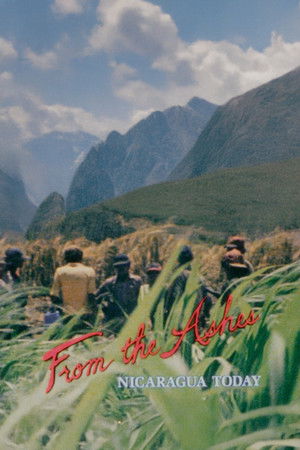
Portrait of a group of 150 U.S. citizens who spent two weeks participating in the cotton harvest in a remote village in Nicaragua, seeing for themselves the impact of the U.S.-backed Contra war.
American resort developers bear down on the wild west coast of Nicaragua, hoping to build the next tourist paradise. With lax labour and environmental regulations, some of the developers take full advantage of the situation, and the local fishermen start accusing them of exploitation and land thievery. Unexpectedly, in the midst of this conflict, firebrand Daniel Ortega and the Sandinistas sweep back into government, boldly empowering the local fishermen. The tables turn viciously on the American developers, who get much more than they bargained for. But when the local fishermen, corrupted by new found power, begin acting in the same manner as the American developers, questions are posed about human nature, morality, and ethics on a much larger scale.
Three Nicaraguan-American artists from the Washington D.C. Metro area discuss growing up in two cultures and how it influences their art.
Juan “Accidentes” Dominguez is on his biggest case ever. On behalf of twelve Nicaraguan banana workers he is tackling Dole Food in a ground-breaking legal battle for their use of a banned pesticide that was known by the company to cause sterility. Can he beat the giant, or will the corporation get away with it?
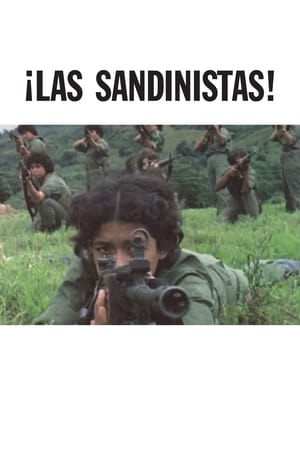
¡Las Sandinistas! uncovers the disappearing stories of women who shattered barriers to lead combat and social reform during Nicaragua’s 1979 Sandinista Revolution, and who continue to lead Nicaragua’s current struggle for democracy and equality.
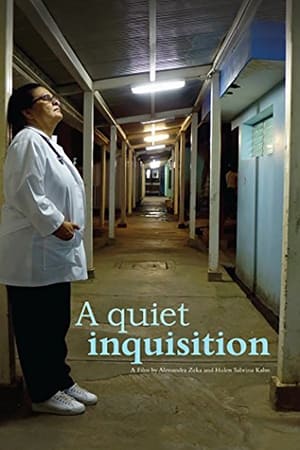
At a public hospital in Nicaragua, Ob/Gyn Dr. Carla Cerrato must choose between following a law that bans all abortions and endangers her patients or taking a risk and providing the care that she knows can save a woman's life. In 2007, Dr. Cerrato’s daily routine took a detour. The newly elected government of Daniel Ortega, a former Marxist revolutionary who converted to Catholicism to win votes, overturned a 130-year-old law protecting therapeutic abortion. The new law entirely prohibits abortion, even in cases of rape, incest, or when a woman’s life is at stake. As Carla and her colleagues navigate this dangerous dilemma, the impact of this law emerges—illuminating the tangible reality of prohibition against the backdrop of a political, religious, and historically complex national identity. The emotional core of the story—the experiences and situations of the young women and girls who are seeking care—illustrate the ethical implications of one doctor's response.
Plastic artist Aparicio Arthola talks with his student about the catarsis in his creative process, the loss, death and uncertainty of art life in Nicaragua
She accused the leader of the Sandinista revolution of sexual abuse. Now he is president of Nicaragua and she lives in exile.
A naturalistic story about the realities of healthcare and houselessness from the perspective of Ramon Duarte, a houseless welder who receives care from Miami Street Medicine, a street medicine team. In Miami, where rising housing costs are forcing folks onto the streets, the doctor's work is more important than ever.
Looking for a few reasons why you should visit Nicaragua? Considering the country's two incredible coastlines, almost 20 volcanoes, lively colonial cities, abundant wildlife, rich culture, and delicious food, it won't be hard to convince you to put “visiting Nicaragua” at the top of your travel bucket list! Nicaragua, set between the Pacific Ocean and the Caribbean Sea, is a Central American nation known for its dramatic terrain of lakes, volcanoes and beaches. Vast Lake Managua and the iconic stratovolcano Momotombo sit north of the capital Managua. To its south is Granada, noted for its Spanish colonial architecture and an archipelago of navigable islets rich in tropical bird life.
DREAMING NICARAGUA is a film about HOPE. It's about love for the dignity and courage of the human spirit that, even immersed in uttermost tragic conditions, fights for a better life, and in this case, with a friendly SMILE. DREAMING is a sensitive and lyrical portrayal of four children living in extreme poverty in Nicaragua. The film takes us beyond their hardships and gives voice to the youngsters, who are surprisingly funny, hopeful, and optimistic. A traveling art teacher provides a safe arena for our four unlikely protagonists to express their innermost thoughts. When painting, the kids momentarily escape the stresses of their reality into a world of dreams and ideas, a stark contrast to their lives outside: a vicious cycle of hunger, child labor, and violence. Despite the extreme circumstances, the children and their families face their lives with an inspiring unity, strength and humor.
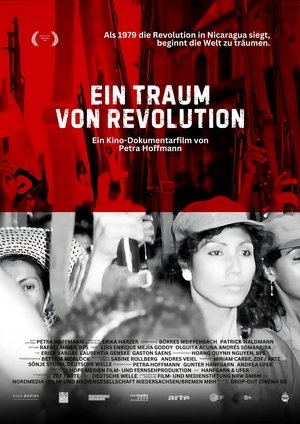
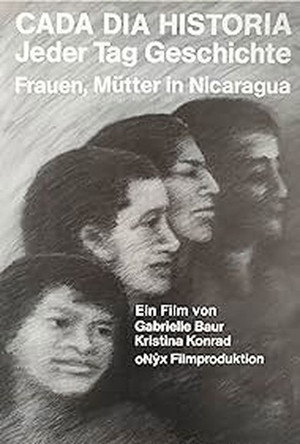
Einmal mehr als nur reden
Born from the ashes of the iconic punk band Ebba Grön, this documentary tells the story of Imperiet and their journey to become the leading star of the post-punk generation and one of Sweden's biggest rock bands. It's also the story of Sweden, at a time in which they took their firm position on the world stage and when political commitment from the artists was a necessity.
A short documentary, inspired by Eduardo Galeano: a short trip in rhythms, sounds and atmospheres in a cuban cigar factory in Estelí, Nicaragua.
A portrait of a remote area in the rural north of Nicaragua facing difficulties with the revolutionary process. It follows Marlon Stuart, the regional FSLN political organiser, at the time of the 1984 elections.
Through the eyes of journalists and photographers working at Barricada, the official publication of the FSLN, the film observes the problems of putting socialism into practice, with reports on the war, the economy, the prison system and the political process leading up to the 1984 elections.
In the mid-1990s, Dieter Dubbert accidentally ends up with the Miskito Indians in Bismuna, Nicaragua. Here he begins to work with drug-addicted and delinquent young people from Germany who would otherwise disappear into homes and prisons.
How can a country survive when its jungle borders hold 4000 hostile troops?