A group of small-town boys has prepared to beat up on this boy named Haoran for a long while. Belligerent and energetic. They tried every trick to catch him in vain including hunting him in the classroom and ambushing him on his way home. These little rebels fooled around each day, smoking, running away from their homes, and chasing after an impossible target. But who is this mysterious Haoran?
The film follows the inception of the movement, a meeting between ravers and the new age travellers during Thatcher's last days in power, and the explosive years that followed, leading up the infamous Castlemorton free festival in 1992 - the largest ever illegal rave, which provoked the drastic change of the laws of trespass with the notorious introduction of the Criminal Justice Act in 1994.
Award-winning war photographer Rita Leistner goes back to her roots as a tree planter in the wilderness of British Columbia, offering an inside take on the grueling, sometimes fun and always life-changing experience of restoring Canada’s forests. Leistner, who has photographed some of the world’s most dangerous places, credits the challenge of tree-planting for her physical and mental endurance. In Forest for the Trees, her first feature film, she revisits her past to share the lessons she learned. The film introduces us to everyday life on the “cut-block” and the brave souls who fight through rough terrains and work endless hours to bring our forests to life. The rugged BC landscape comes to life magically in Leistner’s photography, while the quirky characters and nuggets of wisdom shared around the campfire tell a sincere story of community.
AquaBurn is an award-winning documentary film by director Bill Breithaupt showcasing "The Floating World" theme of the 2002 Burning Man Festival. AquaBurn features many of the incredible Burning Man art installations, the imagination and originality that went into their creation, and the artists who conceived them. Unlike conventional documentaries on the Burning Man Festival, AquaBurn captures the true feeling and excitement of the event itself, transporting the viewer to a hot, dusty wonderland without ever leaving home.
A beautifully done video of Burning Man 2001, 2002 & 2003. Lots of people interviews, Center Cafe activity and extensive coverage of artist David Best and the Temple construction and burn. This documentary captures the swirling columns of dust that were created during the intense heat of the 2002 Temple burn.
Featuring the pioneers of techno music Juan Atkins, Derrick May, Carl Craig, and Jeff Mills, Never Stop takes us into the fascinating universe of techno labels in Detroit. This film highlights the deep roots of the creation, more than thirty years ago, by each of the African-American pioneers of techno music, of their own record labels.
Outlines the history of 40 years of the skinhead subculture, beginning with the most recent versions of the culture.
Polvere in Sala
Street art, creativity and revolution collide in this beautifully shot film about art’s ability to create change. The story opens on the politically charged Thailand/Burma border at the first school teaching street art as a form of non-violent struggle. The film follows two young girls (Romi & Yi-Yi) who have escaped 50 years of civil war in Burma to pursue an arts education in Thailand. Under the threat of imprisonment and torture, the girls use spray paint and stencils to create images in public spaces to let people know the truth behind Burma's transition toward "artificial democracy." Eighty-two hundred miles away, artist Shepard Fairey is painting a 30’ mural of a Burmese monk for the same reasons and in support of the students' struggle in Burma. As these stories are inter-cut, the film connects these seemingly unrelated characters around the concept of using art as a weapon for change.
Rave Culture is one of Britain’s great cultural exports, but after its first wave in the late eighties and early nineties, it was soon forced into the underground by stringent new laws and superclubs. But forward 25 years into in the midst of a nationwide purge on the nation’s nightlife, where nearly half of all British clubs have shut down in the last decade, and a new kind of scene has emerged. Clive Martin investigates this 21st century version of Rave, where young people break into disused spaces with the help of bolt-cutters and complicated squatting laws, to suck on balloons and go hard into the early morning. But with the police using increasingly extreme tactics to clamp down on these parties, and more than one fatality causing nationwide media panic, can the scene survive?
Il Centro per i Giovani - volti, racconti ed esperienze sotto la mascherina
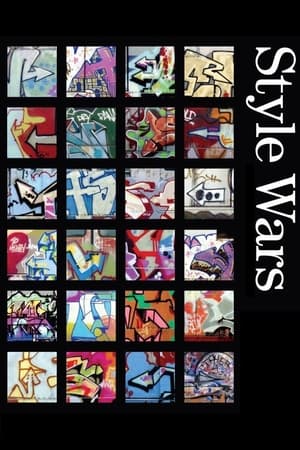
Tony Silver and Henry Chalfant's PBS documentary tracks the rise and fall of subway graffiti in New York in the late 1970s and early 1980s.
In his new film, Erwin Wagenhofer is looking for the good and beautiful in this world.
Roma Illegale talks about the birth and evolution of the rave party scene in Rome through the 90s. It describes the introduction of techno music in the Italian squat scene and the politicisation of parties, the implementation of the TAZ concept in raves with the reproportion of abandoned spaces, the way awareness was increased into the suburban youth generally indoctrinated by neofascism.
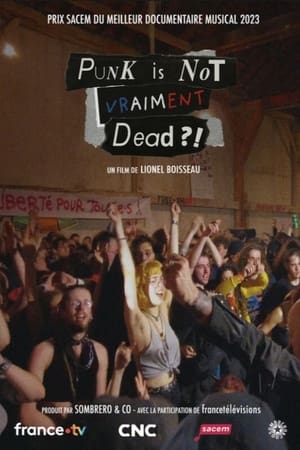
A portrait of a group of youngsters in Agger at the west coast of Jutland. They listen to the raw metalrock. They dress in leather and rivets. And that doesn't exactly lessen the generational divide.
Witness the rise and fall of The Warehouse, a rave venue from Plymouth and times gone by now reduced to a derelict shell. We explore its history, its people and the future. An amateur filmmaker-explorer finds the building in an empty derelict state, long after the prosperous life and energy it endured through the 90s. Through a combination of archives and stories of people who lived there, the film explores through the medium of analogue what once was and how even a now silent derelict shell can become the centre of the universe.
Salva Rave
This lost classic, shot on 16mm in a wintry Berlin in 1993, explores the origins of the German trance scene. Featuring interviews with fresh-faced selectors including Laurent Garnier and MFS Records founder Mark Reeder, the documentary also feature footage from the city's iconic Love Parades in 1991 and 1993.
A look into the life of Laurent Garnier, one of the godfathers of house music, from his emergence on the music scene in the 80's to now. The story of the last music revolution through the eyes of a pioneer.
Bert Marcus and Cyrus Saidi present an informed and absorbing exploration of the history of EDM, boosted by an energetic soundtrack and anchored by the personal stories of legendary DJ Carl Cox and superstar newcomer Martin Garrix. Insights from numerous other DJs and musical talents like Moby, David Guetta, Paul Oakenfold and Usher help tell the often oppositional tales of old school vs. new school and mainstream vs. underground.