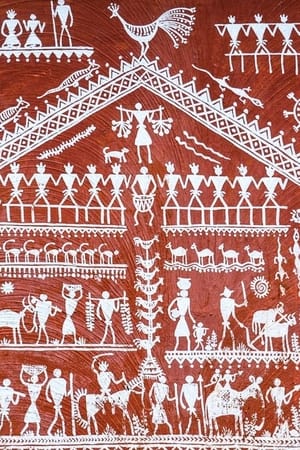
A documentary made by Ghatak for the Government of Bihar observing the life of the Adivasis.
A meandering brook of moments from two afternoons spent with Vinod Kumar Shukla, his wife and son at their home in Raipur, saunters between the mingling geographies of past, present and future, drifting in and out of pauses – to ponder, to reflect, to reminisce, and to share.
Krishnattam or Krishnanattam (Play of Krishna) is a temple ritualistic art performed at Guruvayur Temple (Guruvayur 680101, Trishshur District, Kerala) by a troupe owned by Guruvayur Devasvam. The performance of Krishnattam is based on Krishnagiti, a poetic text in Sanskrit containing verses and stanzas, written by the Zamorin King Manavedan in 1654. The story of Krishna, described in Bhagavata, Mahabharata and Harivamsha is presented in Krishnattam as songs, dance and acting in a sequence of eight plays (Avataram, Kaliyamardanam, Rasakrida, Kamsavadham, Svayamvaram, Banayuddham, Vividavadham and Svayamvaram) in eight days.
Celebrated actor Nayanthara looks back on her journey towards love and superstardom amidst personal struggles and triumphs in this intimate documentary.
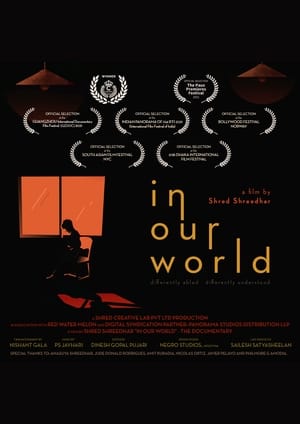
“Special,” “Gifted,” “Different,”… Despite the vast inventory of words to describe children who are on the Autism Spectrum, we still understand so little about their worlds outside of the medical lens. In Our World follows 3 children in their day-to-day lives – swimming classes, horse-riding, music lessons, special moments with their parents and therapists – and so much more, converging into a narrative that spells hope. The documentary aims to reveal the intricacies of their world and perhaps pave the way for OUR world, and for both to coexist with empathy and kindness.
Conversations with 92 year old Kamlabai Gokhale, a pioneering actress of the Marathi stage and the first lady of Indian film. The documentary gives an impression of the history and growth of Indian film and theatre as it was experienced by a woman who struggled against the social structures of her times.
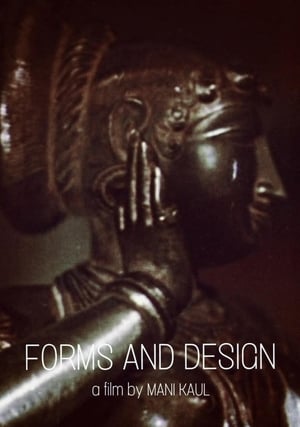
A short film that sets up an opposition between functional forms of industrial age and decorative ones from Indian tradition.
In 'Queen of Vikretamandi, we follow the stories of three female street vendors in Mumbai. Each woman faces her own challenges but also enjoys her victories. The documentary shows their strength and hard work. It creates a close and powerful picture of how they survive and thrive in a busy city that is always awake.
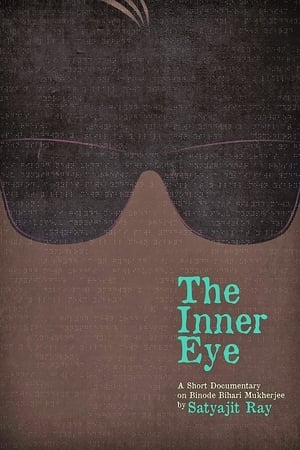
At the age of 54, Binode Bihari Mukherjee, an accomplished painter, lost his sight following an unsuccessful cataract operation. He continued to create art despite his loss of sight. The documentary explores Binode Bihari’s inner eye that guides his fingers to create art.
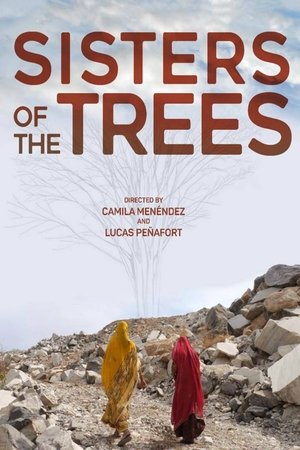
Tree planting in Rajasthan, India, has become a symbol of freedom in the middle of the desert. Families in this community have abandoned the belief that the birth of a girl is a curse.
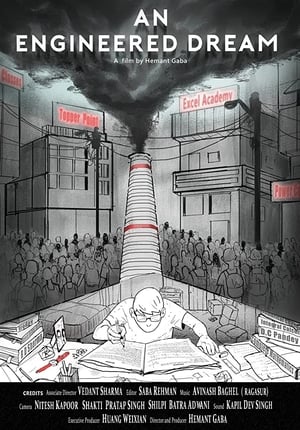
Kota, a city in North-West India famous for its coaching institutions, attracts more than 200,000 teenagers from all across the country to prepare for the undergraduate competitive exams. These students reside in cubicle sized hostel rooms and study for more than 15 hours a day for two consecutive years to crack the entrance exams for prestigious colleges that has acceptance rate of less than one percent. These students face intense insurmountable pressure from coaching institutes, peers and their families which not everyone is equipped to cope with, resulting in some students taking the extreme step of suicide.
Film on caste system in India's historic times.
A charismatic Indian-Nepali boy, lives a bohemian life in a remote Himalayan village. As he transitions from childhood to teenagehood, his poetic journey of perseverance echoes issues that span across ages and communities.
In the dense forests of the Eastern Himalayas, moths are whispering something to us. In the dark of night, two curious observers shine a light on this secret universe.
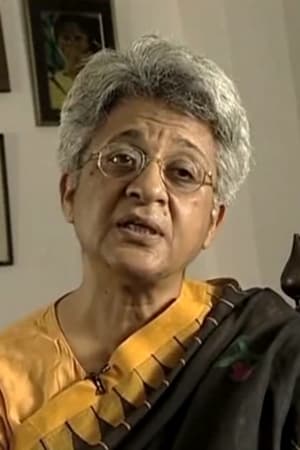
The film starts with the earliest form of cinema and how Shama Zaidi became an integral part of the evolution of Indian Cinema.
Dancing is a passion of the rich, believes Manish Chauhan , the 21-year-old son of a taxi driver in suburban Mumbai. Yet he, like his friend, 15-year-old Amiruddin Shah daydream of becoming principal ballet dancers in big American companies.
The film is inspired by a rural folklore from central India, centred around a concept known as “Maya” or "the buried treasure." According to folklore, this treasure possesses its own consciousness and has the ability to select its rightful bearer. When the treasure is acquired by the person it is destined for, no trouble arises. However, if someone other than the chosen or destined individual claims the buried treasure, it brings forth bad omens. The film explores the lives of two cousins and the choices they make, highlighting the conflict between greed and need, as well as the themes of prophecy and destiny.
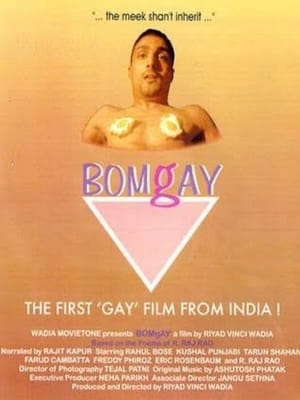
Based on the poetry of R. Raj Rao, Bomgay is a collection of six vignettes that depict the underground and complex nature of the gay identity in urban India. Part Genet, part Bollywood, this film combines acidic verse and insightful imagery to reveal the emerging gay community in the post-liberalized India of the 1990s.
Amidst the urban transformation driven by progress, bulldozers dismantle 'illegal' settlements, leaving countless lives shattered. In the aftermath of such upheaval, one basti, sacrificed to conceal poverty during the G20 summit, and another basti, abandoned by authorities without alternative housing, illustrate the stark realities of displacement. The film delves into the daily struggles of individuals who persist in the rubble of their former homes.
An ethnographic exploration of women’s collectives in the village of Shiv Nath in Himachal Pradesh that has empowered local women since the 1980s, showcasing their journey towards social and economic empowerment and resilience through the narratives of its women.